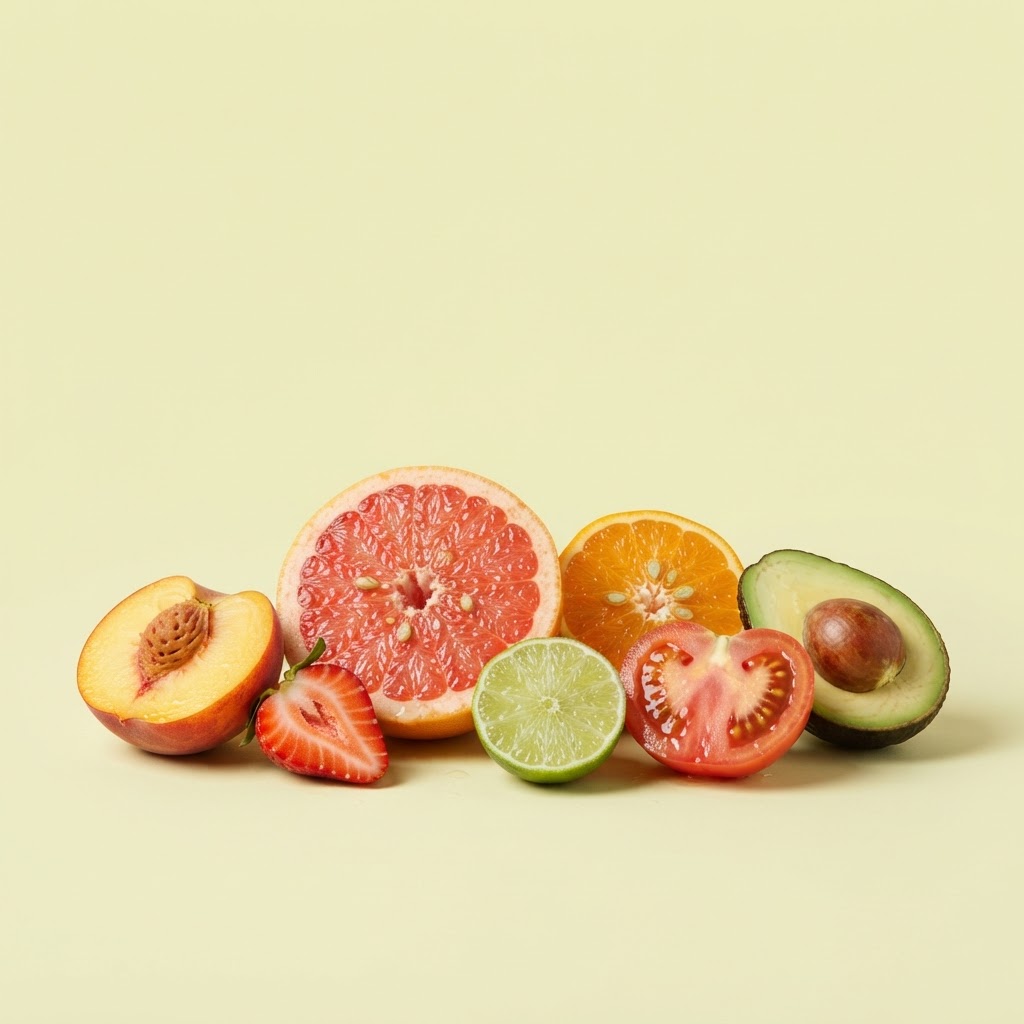
What Fruit Is In Season Now?
We set your region and month automatically from your device. Change either one to check any location or any month.
- AppleFuji, Pink Lady, Braeburn
- PearBosc, Comice at their best
- Grape (late)Very sweet, all varieties
- Fig (late)Very soft and sweet
- PersimmonSoft = sweetest
- Pumpkin (early)For cooking
- Pomegranate (early)Juice-filled seeds
- QuinceFragrant
- Stone FruitQuality very poor
📅 Coming Into Season
Eating with the seasons is one of the simplest ways to eat better, save money, and reduce your environmental impact. When you buy produce at its peak, it's fresher, more nutritious, cheaper, and tastes better. This seasonal produce calendar shows you exactly what fruits and vegetables are at their peak each month in Australia, so you can shop smarter all year round.
Quick Answer: Seasonal Produce Calendar
In Australia, summer (December–February) brings stone fruit, mangoes, berries, tomatoes, and corn. Autumn (March–May) is peak for apples, pears, grapes, and pumpkin. Winter (June–August) brings citrus, broccoli, and cauliflower. Spring (September–November) is asparagus, strawberries, and peas. Use the interactive calendar below to see what's in season right now.
Interactive Month-by-Month Calendar
January
🍎 Peak Fruit
🥬 Peak Vegetables
February
🍎 Peak Fruit
🥬 Peak Vegetables
March
🍎 Peak Fruit
🥬 Peak Vegetables
April
🍎 Peak Fruit
🥬 Peak Vegetables
May
🍎 Peak Fruit
🥬 Peak Vegetables
June
🍎 Peak Fruit
🥬 Peak Vegetables
July
🍎 Peak Fruit
🥬 Peak Vegetables
August
🍎 Peak Fruit
🥬 Peak Vegetables
September
🍎 Peak Fruit
🥬 Peak Vegetables
October
NOW🍎 Peak Fruit
🥬 Peak Vegetables
November
🍎 Peak Fruit
🥬 Peak Vegetables
December
🍎 Peak Fruit
🥬 Peak Vegetables
Summer Produce (December–February)
Summer is the most abundant season for fresh produce in Australia. Stone fruit is at its peak — mangoes, peaches, nectarines, plums, cherries, and apricots are all available. Berries are at their best — strawberries, blueberries, raspberries. Don't forget watermelons, rockmelons, and grapes.
Vegetables thrive too: tomatoes, corn, zucchini, capsicum, eggplant, and beans are all at peak flavour and nutrition.
Autumn Produce (March–May)
Autumn is harvest season. Apples and pears are freshly picked (not from cold storage), with superior flavour. Grapes, figs, pomegranates, and quinces are at their best.
For vegetables, pumpkin, sweet potato, and Brussels sprouts start their season. Spinach and broccoli improve as the weather cools.
Winter Produce (June–August)
Winter is citrus season. Oranges, mandarins, lemons, grapefruit, kiwis, and papaya are all at peak supply. This is also when lychees and passionfruit are available.
Hardy vegetables shine: broccoli, spinach, cauliflower, Brussels sprouts, leeks, and carrots are sweeter after frost.
Spring Produce (September–November)
Spring brings the first tender vegetables. Asparagus has a short 6-week season — grab it while you can. Artichokes, peas, broad beans, and fresh strawberriesarrive. Avocados transition from Shepard to Hass varieties.
Why Eat Seasonally?
1. Better Flavour
Produce picked at peak ripeness tastes significantly better. A tomato ripened on the vine in summer sun has complex, sweet flavour that a winter greenhouse tomato simply can't match. See our tomato guide for the science of why refrigerating kills tomato flavour.
2. Higher Nutrition
Studies show that seasonal produce has higher vitamin and antioxidant levels. A study in the Journal of the Science of Food and Agriculture found that spinach grown in season had up to 3x more vitamin C than spinach grown out of season. See our vitamin C guide.
3. Lower Cost
When produce is in season, supply is high and prices drop. A mango in December costs $1–$2; the same mango in August costs $4–$5. See our budget grocery tips for more savings strategies.
4. Environmental Benefits
Seasonal produce is more likely to be grown locally, reducing transport emissions. Out-of-season produce is often imported by air freight or grown in energy-intensive heated greenhouses. See our food waste guide for more sustainability tips.
How to Know What's in Season
- Check prices: Cheap produce is usually in season. When prices drop suddenly, it's peak season.
- Visit farmers' markets: What's on the stalls is what's growing locally right now.
- Use the PickFresh app: The seasonal guide shows you what's at peak, what's available, and what to avoid each month. See our interactive seasonal guide.
- Look for Australian-grown: If it's grown in Australia, it's likely in season here.
Seasonal Eating on a Budget
Seasonal eating is the #1 strategy for reducing your grocery bill. When you buy what's abundant, you pay less and get better quality. Here's a seasonal approach to budget shopping:
- Summer: Buy tomatoes, zucchini, and stone fruit in bulk. Freeze excess for winter. See our freezing guide.
- Autumn: Stock up on apples (they store for months in the fridge) and pumpkins (they last for weeks at room temperature).
- Winter: Citrus is cheap and abundant. Buy oranges and mandarins in 3kg bags.
- Spring: Asparagus is briefly cheap at peak — buy and freeze for later use.
What's in Season Right Now?
The interactive calendar above highlights the current month. For a real-time, region-specific guide, use our PickFresh Seasonal Guide — it auto-detects your hemisphere and shows peak, available, and out-of-season produce for any month. You can also use our what fruit is in season tool for a live regional breakdown.
Frequently Asked Questions
Summer (December to February) brings stone fruit at its peak: mangoes, peaches, nectarines, plums, cherries, and apricots. Berries are at their best (strawberries, blueberries, raspberries). Watermelons, rockmelons, grapes, figs, and passionfruit are also abundant. Tomatoes, corn, zucchini, and capsicum are peak vegetables.