PickFresh
The complete guide to omega-3 fatty acids: which foods contain the most, the difference between EPA, DHA and ALA, and how much you need daily for optimal heart and brain health.
Animal and plant-based iron sources explained, with absorption tips. Learn the difference between heme and non-heme iron, which foods pack the most, and how to pair them with vitamin C for maximum uptake.
Best dietary sources of magnesium for muscle function, sleep quality and over 300 biochemical reactions in your body. Includes a complete food list with serving sizes and magnesium content.
Dairy and non-dairy calcium sources compared, with tips for maximising absorption. Whether you are lactose intolerant, vegan, or just want more variety, here is how to hit your daily calcium target.
Fruit smoothies can be a nutritional powerhouse or a sugar bomb. Learn the health benefits, the risks to watch for, and how to build a smoothie that is genuinely good for you with the right balance of fruit, protein and fibre.
Fruit is healthy, but more is not always better. Learn the recommended daily fruit limit, sugar content of popular fruits, and the signs you are overdoing it — with an interactive sugar counter.
One serve of strawberries is 1 cup — about 8 medium berries. Here’s the visual guide, calorie count and nutrition breakdown per serving of strawberries.
Sugar content of watermelon, rockmelon and honeydew compared side by side. Find out which melon is best for low-sugar diets, diabetes management and weight loss with our interactive sortable table.
Can you eat watermelon seeds, rockmelon seeds and honeydew seeds? Learn which melon seeds are safe to eat, which to avoid, and the surprising nutritional benefits of seeds you might be throwing away.
How much juice can you get from a single orange? Learn the average yield by variety, factors that affect juice content, and whether fresh-squeezed is really better than store-bought.
Daily orange juice limits for adults and children, sugar content per glass, and the health risks of drinking too much. Learn the recommended maximum intake and how to enjoy juice without overdoing it.
Orange peel nutrition, health benefits and safety. Learn which nutrients are concentrated in the skin, how to use orange zest in cooking, and whether you should actually eat the peel.
Peach skin is completely edible and packed with antioxidants and fibre. Here’s why you should stop peeling peaches — plus which varieties have the most nutritious skin.
Peaches can taste floral and honey-sweet or tangy and bright depending on the variety. Here’s a complete flavour guide for white, yellow and donut peaches.
Freezing avocados is easy and extends their shelf life by months. Here’s the best method for freezing avocado halves, chunks and guacamole.
Avocados are high in fat and calories — but do they actually cause weight gain? Here’s what the research says about avocado and body weight.
Avocado seeds are packed with antioxidants — but are they safe to eat? Here’s what the research says about eating avocado pits.
One serving of avocado is smaller than you think. Here’s the official serving size, nutritional breakdown and how to portion an avocado.
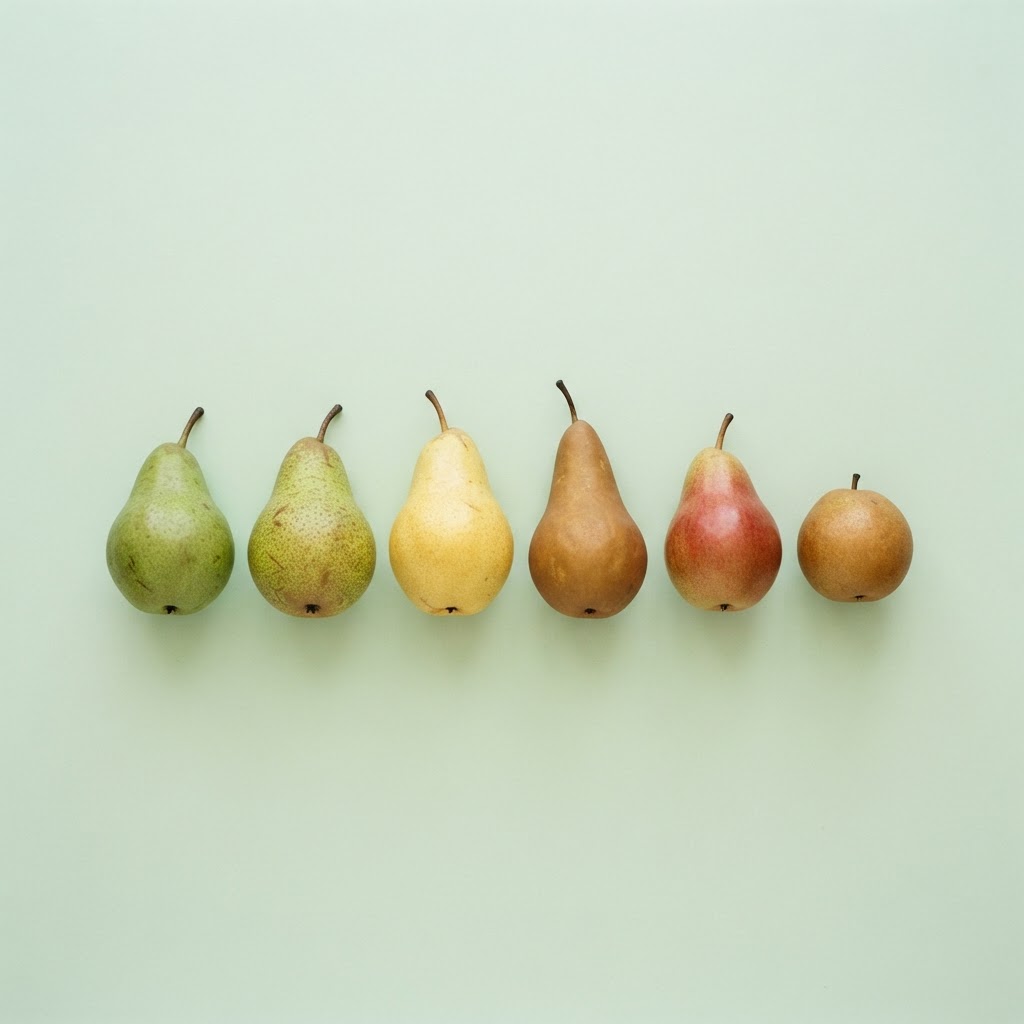
Fibre content of Packham, Nashi, Beurre Bosc, Corella and more pear varieties compared. Find out which pear has the most fibre per serve with our interactive comparison table.
Bananas aren't even in the top 5. We ranked 12 potassium-rich foods by mg per serve — beetroot greens and white beans crush bananas. See the full guide with a daily meal plan.
Oysters have 700% of your daily zinc in one serve. But beef, pumpkin seeds and chickpeas are great everyday sources. See the full ranking and learn what blocks zinc absorption.
B12 is the one nutrient vegans can't get from plants. Here are the 12 best sources — animal and fortified — ranked by mcg per serve, plus how to tell if you're deficient.
150g of strawberries is 48 calories, 89mg vitamin C (99% of daily target), and 7.4g of natural sugar. Full macro, vitamin, and mineral breakdown plus comparison to other berries.
Which fruits are safest for diabetics? We ranked 20+ fruits by glycemic index. Cherries and grapefruit are lowest; watermelon and dates are highest. Plus how to pair fruit to blunt spikes.
The cheapest and best plant protein sources for your pantry. Lentils, tofu, chickpeas, and tempeh ranked by protein per serve and per dollar, plus a one-day meal plan.
A complete gluten-free pantry list: grains, flours, condiments, snacks, and what to avoid. Plus the hidden gluten sources in soy sauce, stock cubes, and processed meats.
Drinking orange juice on an empty stomach spikes blood sugar. Here is the best time to drink it, when to avoid it, and how much is safe per day for adults and children.
Foods proven by research to support cardiovascular health. From omega-3-rich fish to soluble fibre in oats, here are the top foods to lower cholesterol, reduce blood pressure and protect your heart.
Nourish your microbiome naturally with prebiotic and probiotic foods. A complete guide to feeding the beneficial bacteria in your gut for better digestion, immunity and even mental health.
Fermented foods for a thriving gut microbiome. From yoghurt to kimchi to kombucha, here are the best probiotic-rich foods, how much to eat, and which strains actually survive your stomach acid.
What to cut and what to swap in for sustainable weight loss. Not all calories are equal — learn which foods sabotage your efforts and discover healthier alternatives that keep you full longer.
Hidden sugars and how to avoid them in everyday foods. Learn the 60+ names for sugar on ingredient lists, which "health foods" are secretly loaded with sugar, and how to read nutrition labels properly.
How melon affects digestion, blood sugar and sleep quality when eaten at night. Learn the best time to enjoy watermelon, rockmelon and honeydew, with a live digestion clock that advises based on your current time.
The science behind cucurbitacins and melon-milk reactions. Discover why some melons taste bitter with dairy, which combinations are riskiest, and how to safely pair melon with milk products.
Pear leaf tea benefits, nutrition and how to make it at home. Learn about blood sugar regulation, anti-inflammatory properties and other health benefits of pear leaf tea with an interactive benefit explorer.
Strawberry leaves contain compounds that may support blood sugar, digestion and immunity. Here’s what the research actually says — plus how to use them safely.
Wholesome Chinese-inspired meals with less oil and salt. Learn to make stir-fries, dumplings and noodle dishes that are authentic in flavour but lighter and better for you than takeaway versions.
Korean dishes packed with nutrients, fermented foods and bold flavours. From bibimbap to kimchi stew, these recipes bring the health benefits of the Korean diet to your kitchen.
Light Mediterranean-style Italian cooking with olive oil, fresh vegetables and whole grains. These recipes prove Italian food can be both comforting and genuinely good for you.
Spice-rich, nutritious Indian meals with lentils, vegetables and lean proteins. Learn to make curries, dals and biryanis that are full of flavour but lower in fat and calories.
A 3-ingredient mandarin smoothie that's naturally sweet, packed with vitamin C, and ready in 5 minutes. No added sugar, no dairy, no fuss. Plus 4 flavour variations.
When Australian mangoes peak and how to pick a ripe one. Monthly season guide covering Kensington Pride, R2E2, Calypso and honey gold varieties, plus storage and ripening tips.
India produces 40% of the world’s mangoes. Here’s the state-by-state season guide — from Alphonso in March to Langra in July. Includes Brix values for the big three.
Peak strawberry months and how to pick the sweetest punnet. Learn the Australian strawberry season by state, how to store them to last longer, and why refrigerating them whole is a mistake.
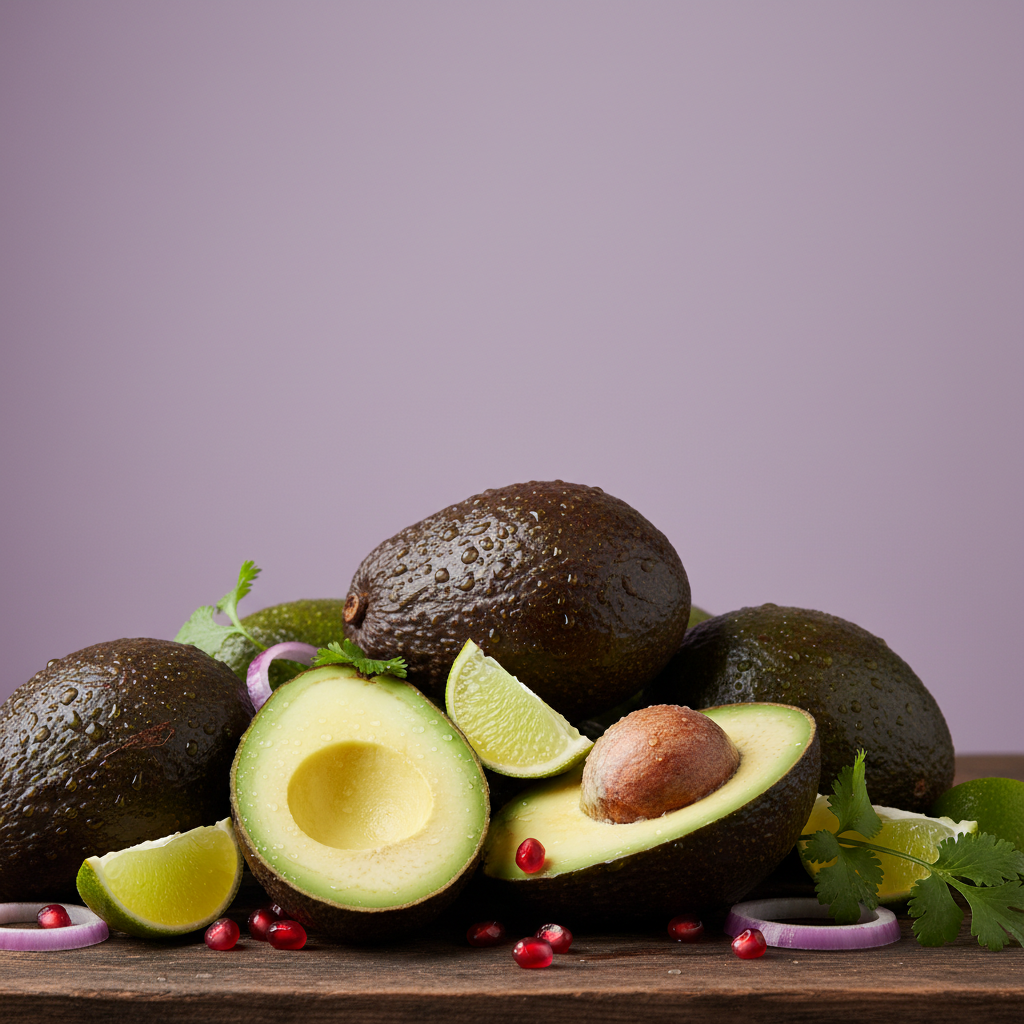
Hass vs Shepard — which avocado is in season right now. A monthly guide to Australian avocado varieties, ripening tips and how to store cut avocados without them going brown.
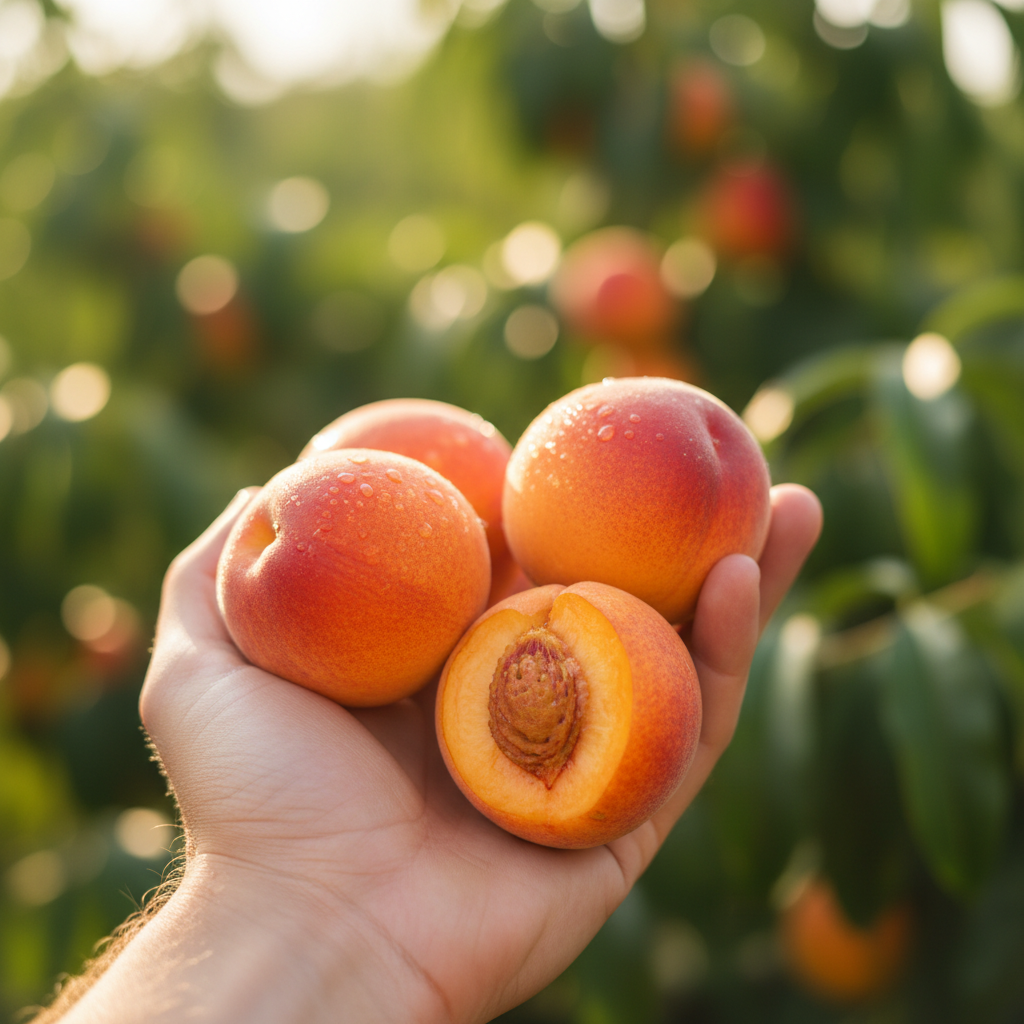
Monthly nectarine season guide for Australia. Learn when yellow and white-fleshed nectarines peak, how to tell if they are ripe, and why you should never refrigerate an unripe nectarine.
Princess Peach and Princess Daisy are two of Nintendo’s most iconic royals — but are they related? Here’s the official answer from the Mario franchise lore.
Princess Peach and Rosalina look alike — but are they mother and daughter, sisters, or completely unrelated? Here’s the official Nintendo answer from Super Mario Galaxy.
Packham, Corella, Beurre Bosc — peak season guide for Australian pears. Learn when each variety is at its best, how to ripen pears at home, and why they ripen from the inside out.
Bananas are available year-round — but this is when they peak in flavour and price. Learn about Cavendish vs Lady Finger, ethylene ripening and how to store bananas to control ripening speed.
The thump test and other tips for picking a ripe watermelon. Learn the Australian watermelon season, how to tell ripe from unripe by sound, weight and field spot, and the best way to store cut melon.
Australian grape varieties and their peak months. From Menindee to Crimson Seedless, learn when each variety is available, how to pick sweet grapes, and why the bloom on the skin is a good sign.
Navel vs Valencia and when to buy for best juice. The Australian orange season guide by month, including which variety to choose for eating vs juicing, and how to store oranges for maximum flavour.
Imperial, Murcott, Afourer — peak season guide for Australian mandarins. Learn when each variety is available, how to pick easy-peelers, and why heavier mandarins are always sweeter.
Fresh vs frozen and the best raspberry months in Australia. Raspberry season is short and delicate — learn when to buy, how to store them to prevent mould, and why frozen raspberries are great for smoothies.
Blood plums, Satsuma and Greengage — complete season guide. Learn when each Australian plum variety peaks, how to tell if a plum is ripe, and why plums continue ripening after picking unlike watermelons.
Queensland pineapple season and the leaf-pull test for ripeness. Learn when pineapples peak in Australia, why they do not ripen after picking, and how to choose the sweetest fruit every time.
Why wrinkled figs taste the best — a complete guide to Australian fig season. Learn when Black Genoa and White Adriatic figs peak, how to tell if a fig is ripe, and why you should eat them the day you buy them.
Tainung vs Red Papaya — when to buy in Australia and how to tell them apart. Monthly season guide, ripening tips, and the papain enzyme that makes papaya a natural meat tenderiser.
Short season — when to buy lychees and how to store them. Australian lychee season is only 6-8 weeks long. Learn when to buy, how to choose the best, and why you should eat them within days of purchase.
The easiest way to deseed a pomegranate without making a mess. Australian pomegranate season guide, plus the underwater method for extracting seeds and why pomegranate arils are a superfood.
The belly button smell test for ripe cantaloupe. Learn when rockmelons peak in Australia, how to tell if one is ripe by pressing the stem end, and how to store cut melon safely to prevent bacterial growth.
The fruit you must cook — and why it turns from white to deep red. Australian quince season guide, plus how to poach quinces, make quince paste, and why raw quinces are inedible but cooked ones are magical.
Ruby Red vs Marsh grapefruit and the medication interaction warning. Australian season guide, plus why grapefruit can interact dangerously with certain medications and which drugs to ask your doctor about.
Apples go brown within minutes of cutting due to enzymatic browning. Here's the science explained — plus 7 methods to prevent browning, ranked by effectiveness.
Yes, watermelon rind is edible and surprisingly nutritious — high in citrulline, fibre and potassium. Here's how to eat it, plus answers to 6 more common watermelon questions.
Yes — frozen grapes are a delicious summer snack and last up to 12 months. Here's how to freeze them, how long fresh grapes last in the fridge, and the best varieties for freezing.
One medium lemon yields 70–90ml of juice. You need 3–4 lemons per 250ml glass. Here's the exact yield by variety, the rolling trick that gives 30% more juice, and zesting tips.
Why cold-grown broccoli has more sulforaphane — the cancer-fighting compound. Australian broccoli season guide, plus how to store broccoli to preserve nutrients and why yellowing florets are still safe to eat.
Baby spinach vs English spinach and iron absorption tips. Learn when Australian spinach peaks, why cooking spinach increases calcium availability, and the vitamin C trick that triples iron uptake.
How to tell if corn is fresh and why you should cook it the same day. Australian sweet corn season guide, plus the sugar-to-starch conversion that starts the moment corn is picked.
Kent vs Butternut vs Queensland Blue — which to buy and when. Australian pumpkin season guide, plus roasting tips, storage advice, and why pumpkin is one of the most nutrient-dense vegetables you can eat.
When wild pine mushrooms appear in Australian forests. Cultivated mushroom season is year-round, but wild varieties like slippery jacks and saffron milk caps appear in autumn after rain.
Why frost-touched carrots are sweeter than summer ones. Australian carrot season guide, plus how to store carrots to stay crisp for weeks, why baby carrots are not a real variety, and the truth about purple carrots.
How to store coriander for 2 weeks without wilting or going slimy. Australian coriander season guide, plus the difference between coriander and cilantro, and why some people taste soap when they eat it.
Botanically a tomato is a fruit. Culinarily, it's a vegetable. The US Supreme Court even ruled on this in 1893. Here's the full explanation — plus 9 other foods that are secretly fruits.
How to tell if your cooking oil has gone rancid and how to store it to last longer. Learn the smell test, the shelf life of different oils, and why heat and light are the enemies of cooking oil freshness.
What the science actually says about seed oils, omega-6 fatty acids, and heat stability. A balanced, evidence-based look at the vegetable oil debate — separating fact from fear-mongering.
From vibrant leaves to intense fragrance — how to choose the best bunch of basil every time. Learn to spot wilting, check stem freshness, and store basil to keep it perky for over a week.
Count the green leaves and use the neck test to harvest garlic at exactly the right moment. A complete growing guide for home gardeners, plus curing and storage tips for months of fresh garlic.
The tops falling over is just the start — the complete harvest and curing guide for onions. Learn when to harvest, how to cure onions for storage, and why proper drying prevents rot and sprouting.
Figs do not ripen after picking — the droop test and colour signs explained. Learn exactly when to harvest figs for peak sweetness, plus why a soft, drooping fig on the tree is perfect.
A complete visual guide to identifying common vegetables and spotting freshness by sight. Never confuse parsley and coriander, or shallots and spring onions, with this comprehensive identification guide.
Ranked by fresh produce score — which delivery app actually gets you the freshest groceries. We compared Coles, Woolworths, Instamart, DoorDash and more on produce quality, packaging and delivery speed.
Shop smarter, eat better and waste less with this complete guide to navigating the supermarket. Learn what to buy, what to skip, how to read labels, and how to build a healthy cart without overspending.
Practical tips to waste less food every week — from storage hacks to meal planning to using scraps. The average household throws away $1,000+ of food per year. Here is how to dramatically cut that down.
Seasonal fruit calendar by month for Australia. Knowing what is in season means better flavour, better nutrition, lower prices and smaller environmental impact. Here is your month-by-month guide to Australian fruit.
Manage your kitchen inventory with ease — track what you have, what is expiring, and what you need to buy. A complete guide to using pantry tracking to reduce food waste and save money on groceries.
Honeydew, galia, canary melon and more — varieties with green flesh, their taste profiles and how to pick a ripe one. Complete guide to identifying and enjoying green-fleshed melon varieties.
Which melons ripen after cutting and how to store cut melon safely. Learn why melons do not get sweeter after harvest, what to do with an underripe cut melon, and food safety guidelines for cut fruit storage.
A complete guide to melon varieties worldwide, from watermelon to winter melon. Discover the surprising diversity of melon types, their origins, flavour profiles and where to find them in Australia.
Yes, orange peel can go in compost but it breaks down slowly. Learn how to speed up decomposition, the right ratio of citrus to other materials, and when to avoid composting citrus altogether.
The right grocery shopping list app saves time, reduces waste and cuts your food bill. Here is what to look for and how PickFresh delivers a complete free solution with recipe-based list building and smart categorisation.
Mandarin season means a fridge full of fruit. Here are 12 clever ways to use a mandarin glut — from marmalade to marinades — so nothing goes to waste.
Putting an unripe mango in the fridge stops ripening permanently. Here is the paper bag trick that ripens mangoes in 24–48 hours instead.
AI-powered fruit and vegetable identifiers are transforming how people shop and eat. Learn how they work, what they tell you, and why freshness scoring matters more than just a name.
You’ve been throwing away strawberry leaves your whole life. They’re edible, safe, and packed with nutrients. Here’s how to use them in tea, salads and more.
Strawberries can grow in winter with the right variety and protection. Here’s how to grow strawberries through the cold months — greenhouse, fleece and indoor methods.
Not all grocery delivery apps handle fresh produce equally. We ranked 10 Australian grocery delivery apps by produce quality, delivery reliability, and freshness — Harris Farm, Woolworths, Coles, DoorDash, Uber Eats, HelloFresh and more.
Looking for the best app for vegetables? We compared 10 apps by freshness scanning, identification, shopping features, and value — PickFresh, Harris Farm, Woolworths, Coles, Aldi, PlantSnap, PictureThis and more.
Looking for the best free grocery list app? We compared 10 free and freemium apps by features, ease of use, and value — PickFresh, AnyList, Out of Milk, Bring!, ListEase, OurGroceries, Mealime, Paprika and more.
We ranked 6 UK grocery delivery apps by produce quality, delivery reliability, and value — Tesco, Sainsbury's, Asda, Ocado, Morrisons and PickFresh. See which is best for fresh produce.
A complete month-by-month seasonal produce calendar for Australia. See which fruits and vegetables are at their peak each month — plus why seasonal eating is better for your wallet, health and the planet.
Stop throwing away spoiled produce. This complete storage guide covers 18+ fruits and vegetables — where to store them, how long they last, and the common mistakes that halve their shelf life.
What is in season right now in Australia and where to buy it cheapest. A month-by-month guide to seasonal produce at Coles and Woolworths, plus the Odd Bunch vs Imperfect Picks comparison.
How to find genuine growers markets in Sydney, Melbourne, Brisbane, Adelaide, and Perth. Plus when to go, what to buy, and how to tell a real farmer from a reseller.
A menu picture scanner that reads any restaurant menu — printed, handwritten, or on screen — and generates a realistic food photo for every dish. Works with any cuisine and any language.
Ever ordered blind and been disappointed? This app generates food photos for every dish on a restaurant menu, so you can see what you are getting before you commit.
Travelling abroad? Scan any foreign-language menu and instantly see photos of every dish. No translation app needed — the pictures tell you exactly what is on offer.
An AI menu translator that does not just translate text — it generates pictures of every dish. See what you are ordering in any country, in any language.
The best visual menu app for travelers. Scan any restaurant menu worldwide and see photos of every dish — no language skills required.
Scan any restaurant menu and get estimated calories, protein, carbs, and fat for every dish. Make informed choices before the food arrives.
Restaurant owners: generate professional food photos for every dish on your menu in minutes. No photography skills or expensive equipment needed.
Open your fridge, take a photo, and get instant recipes using only what you have. The fastest way to cook dinner from leftovers — no recipe, no waste.
Wilting vegetables aren't waste — they're ingredients. A complete guide to rescuing aging vegetables with stir-fries, soups, fritters, and AI recipe generation.
We compared every app that turns a fridge photo into a recipe. PickFresh, SuperCook, AllRecipes, BigOven and more — ranked by accuracy, speed, and features.
Rigid meal prep fails because life doesn't follow plans. Spontaneous cooking — using what you have when you're ready — reduces waste, saves money, and is more sustainable.
Chicken, rice, and any vegetable is the most searched cooking combo in Australia. Five methods, ten vegetable pairings, and instant recipe generation from your fridge photo.
Use everything in your fridge before the weekly shop. A three-step clean-out method with example scenarios, batch cooking tips, and instant recipe generation.
We tested AI recipe generation from fridge photos across 20 real scenarios. Accuracy results, where it excels, where it falls short, and whether it's worth using.
Bulk buying saves money per unit but creates waste if you can't use it all. A complete guide to portioning, freezing, and cooking with bulk ingredients.
Minimal equipment, minimal budget, minimal space. Ten meals in under 10 minutes, the essential pantry, and how to cook real food in a dorm or studio.
Decision fatigue at 6 PM leads to takeaway orders and food waste. A 2-minute system that takes you from too-tired to cooking in under 30 seconds of decisions.
Food labels are designed to confuse. Learn to read ingredient lists, spot hidden sugars, understand additive numbers, and use the 5-second label test.
Manufacturers split sugar across 60+ names so "sugar" doesn't appear first. The complete list, how to spot them, and the "no added sugar" loophole.
The "health halo" effect makes you underestimate calories and sugar in products with health claims. Six misleading claims and genuinely healthy alternatives.
Food allergy shopping is high-stakes. The 10 major allergens, hidden sources, cross-contamination risks, and how to reduce label-reading from hours to seconds.
Clean eating isn't expensive. The cheapest whole foods, 10 money-saving swaps, shopping strategies, and a $7/day clean eating meal plan.
Are canola, sunflower, and soybean oil toxic? We cut through the social media alarm with evidence-based analysis from the Heart Foundation and WHO.
Ultra-processed food is engineered to override your satiety signals. A controlled NIH trial found people ate 500 more calories per day without realising. Here's how to break free.
Palm oil is in half of all packaged foods but hides behind dozens of names. Learn the hidden names, which products contain it, and whether sustainable palm oil is worth seeking out.
Natural flavours can be highly processed and may not come from the food you expect. Learn the legal definition, how they compare to artificial flavours, and what to look for.
The pomegranate has up to 1,400 seeds, but the orchid fruit capsule holds the record with millions. Discover which fruit has the most seeds and why some evolved to produce so many.
The jackfruit is the heaviest tree-borne fruit at up to 50 kg. The giant pumpkin holds the overall record at 1,247 kg. Discover the world's heaviest fruit and how to cut a jackfruit.
Brussels sprout has the longest common vegetable name at 14 letters. Scientific names can reach 47+ characters. Discover vegetable name trivia and etymology.
The Yubari King melon from Japan is the most expensive fruit at AUD $50,000 per pair. Discover why luxury fruit costs so much and whether it's worth it.
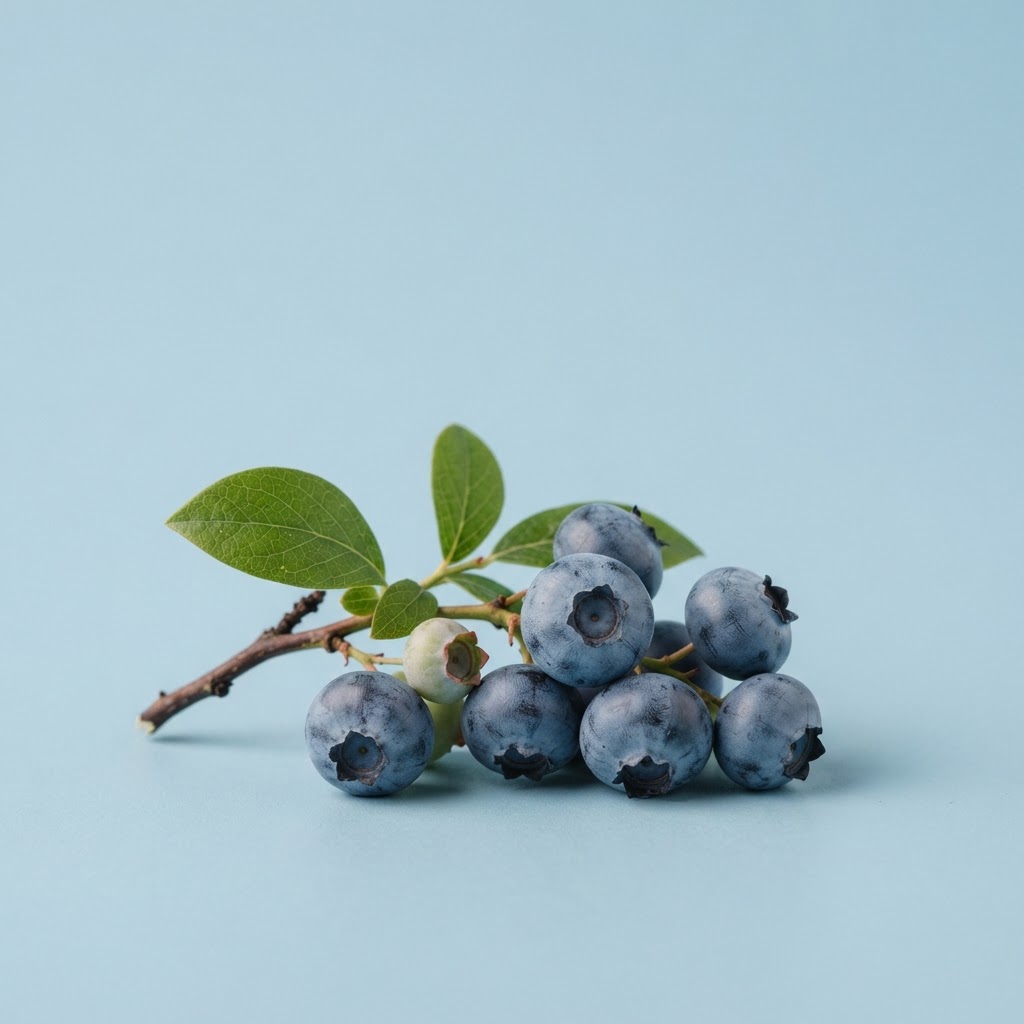
One serving of blueberries is 150g — about 1 cup or 80–150 berries. Discover the nutritional profile, antioxidant content, and why blueberries are a superfood.
One medium banana is a serving — about 118g and 105 calories. Discover the full nutritional breakdown, daily limits, and how bananas count toward your fruit intake.
Eating more than 2–3 cups of watermelon per day can cause blood sugar spikes, digestive issues, and potassium overload. Here is the science-backed guide to safe portions.
La réponse dépend de ce que l on compte : noms communs français, noms scientifiques latins, ou noms régionaux. Voici le guide complet avec les records et les histoires derrière chaque nom.
Yes, kiwi skin is safe and edible. Eating it gives you 50% more fibre and higher antioxidants. Here's how to eat kiwi skin without the fuzz bothering you.
Yes, watermelon seeds are safe and rich in protein, magnesium, iron, and zinc. The "growing in your stomach" myth is false. Learn how to roast them.
Mango skin is technically edible but contains urushiol — the same compound as poison ivy. Most people are fine, but sensitive individuals can have allergic reactions.
Pineapple core is edible and contains the highest concentration of bromelain, an enzyme with anti-inflammatory and digestive benefits. Learn how to eat it.
Mushroom stems are edible but some are tough and woody. Learn which stems to eat (button, Swiss brown, king oyster) and which to use for stock (shiitake, oyster).
Carrot skin is edible and contains the highest concentration of fibre and antioxidants. Here is when to peel, when to skip it, and how to clean unpeeled carrots properly.
Asparagus spears are stems, not fruit — but the plant does produce berries. Learn the botanical classification and why it matters for cooking and nutrition.
Rhubarb leaves contain dangerously high levels of oxalic acid and should never be eaten. They can cause nausea, vomiting, and kidney damage. Only the stalks are safe. Here is what to do if someone accidentally eats them.
Raw eggplant is technically edible but bitter, spongy, and contains some solanine. Small amounts are safe, but cooking transforms the flavour and texture entirely. Here is the full safety guide.
Yes, kiwi seeds are completely safe and nutritious. They contain omega-3 fatty acids, fibre, and vitamin E. They are tiny and barely noticeable — just eat the whole kiwi, seeds and all.
Raw green beans contain lectins that can cause nausea and vomiting. A few raw beans are usually fine, but cooking destroys the lectins and makes them safe. Always cook green beans.
Yes, raw orange peel is edible and nutritious — rich in fibre, flavonoids, and vitamin C. But it is bitter and may have pesticide residue. Wash thoroughly or choose organic. Best used as zest or candied.
Yes, raw sweet corn is safe and can be delicious when very fresh — crunchy, juicy, and sweet. It is less digestible than cooked corn but will not hurt you. Choose the freshest ears possible.
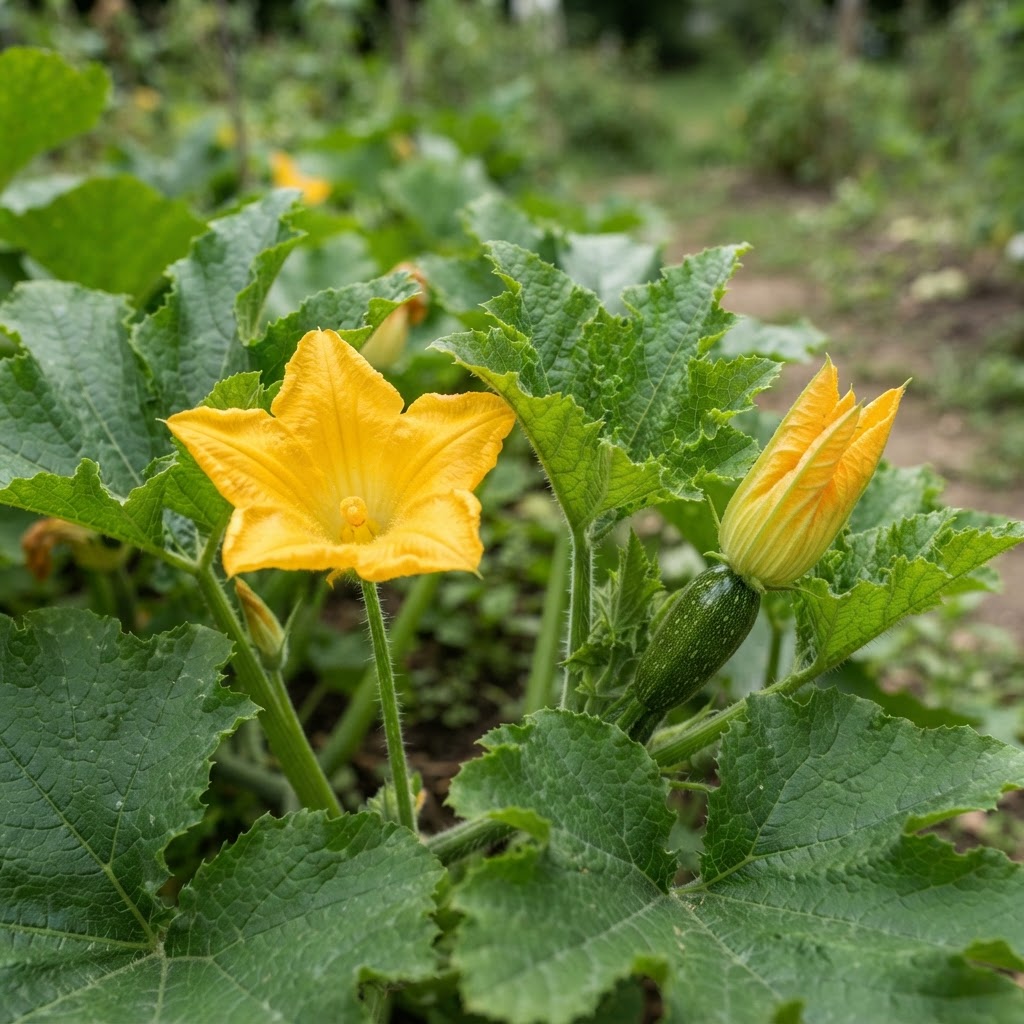
Yes, zucchini flowers (squash blossoms) are edible and a delicacy in Italian and Mexican cooking. Often stuffed with ricotta, battered, and fried. Both male and female flowers are edible.
Raw sweet potato contains trypsin inhibitors and tough starches that are difficult to digest. Cooking breaks down these compounds and makes nutrients bioavailable. Here is the full safety guide.
Yes, capsicum seeds are completely safe to eat. They are not spicy or toxic. Most people remove them for texture, but there is no safety reason to avoid them. Here is what you need to know.
Yes, leek greens are edible and packed with flavour. They are tougher than the white parts but excellent for stock, soup, and slow cooking. Stop throwing them away — here is how to use them.
Yes, radish leaves are completely edible and nutritious. They have a peppery, earthy flavour and can be eaten raw in salads, sauteed, or blended into pesto. Here is how to use them.
Yes, raw beetroot is safe and crunchy with a sweet, earthy flavour. It can be grated into salads, sliced thinly, or juiced. Raw beetroot retains more vitamin C and nitrates than cooked.
Yes, raw parsnip is safe to eat with a sweet, peppery, earthy flavour. Grated into salads or sliced thin, it is a worthwhile raw vegetable that retains more nutrients than cooked.
Yes, raw pumpkin is safe to eat. Grated or thinly sliced, it has a sweet, nutty flavour and crunchy texture. Butternut is the best variety for raw use. Here is how to prepare it.
Yes, raw asparagus is safe and has a sweet, crunchy, nutty flavour. Shaved into ribbons or thinly sliced, it makes a refreshing salad. Here is how to prepare it properly.
No, passionfruit skin is not edible. It is a tough, rubbery shell that protects the pulp. Only the pulp and seeds inside are eaten. Here is what to do with the skin.
Bitter eggplant is safe but unpleasant. Learn why eggplant gets bitter, how to tell before cooking, and the salting trick that removes the bitterness. Plus when to throw it out.
Yes, eggplant skin is safe and contains nasunin, a powerful antioxidant. The skin is the most nutritious part. Learn when to keep it on and when to peel, plus which varieties are best skin-on.
Yes, potato skin is safe and nutritious for fresh potatoes — rich in fibre and antioxidants. The exception is green skin or sprouts, which contain solanine. Learn the rules.
Yes, papaya seeds are safe and have a peppery, mustard-like flavour. They contain papain and antibacterial compounds. Learn how to eat them and the risks to know about.
Yes, fig skin is completely safe and one of the best parts of the fruit. It adds a slight chewiness and contains concentrated fibre and antioxidants. Here is how to eat figs skin-on.
Yes, leeks are safe and delicious raw, with a sweeter, milder flavour than raw onion. Learn how to prepare them, what they taste like, and the best ways to use raw leeks.
Yes, pumpkin seeds are safe and one of the best plant sources of zinc, magnesium, and protein. Learn how to roast them and the difference between pumpkin seeds and pepitas.
Yes, orange seeds are safe and do not contain amygdalin, unlike cherry pits. They are bitter and hard but harmless. Learn the safety, what they taste like, and whether you can plant them.
Yes, grape seeds are safe and rich in polyphenol antioxidants including resveratrol. They do not contain amygdalin. Learn the nutrition, what they taste like, and how to eat them.
Botanically, an avocado is a single-seeded berry — a fruit. Culinarily, it's used as a vegetable or fat source. Discover why avocados are unique among fruit.
Botanically, a pumpkin is a fruit — and the heaviest in the world at 1,247 kg. Discover why pumpkins are fruit and why the classification matters.
Millions eat mango lassi safely, yet some cultures warn against mixing mango and milk. We examine the science, the myth's origins, and what actually happens.
A common warning says drinking water after watermelon causes cramps and bloating. We examine the science — and why this myth persists.
A viral claim says eating fruit on an empty stomach prevents it from rotting in your gut. We examine the science — and why this myth is wrong.
In Chinese and East Asian culture, gifting an empty bowl implies wishing poverty on the recipient. We explore the symbolism and how to avoid the faux pas.
An unpeeled orange floats, but the same orange sinks once peeled. A classic science experiment demonstrating density and Archimedes' principle.
The watermelon thump test works because ripe melons develop air spaces. We explain the physics and how to use the knock test correctly.
Bananas produce ethylene gas that accelerates ripening in nearby fruit. We explain the science and how to use it — or prevent it.
The hedgehog method is the easiest way to cut a mango. We explain why it works, how to do it step by step, and how to get maximum flesh.
Yes, banana peels are edible and surprisingly nutritious. We explain the nutritional benefits, safety considerations, and how to cook with them.
Old, green, or sprouted potatoes can contain dangerous levels of solanine. We explain the signs of toxicity, symptoms, and when to throw them away.
Sprouted garlic is safe to eat — the green shoot is not toxic like potato sprouts. We explain the safety, taste changes, and how to prevent sprouting.
Lychee seeds are not edible — they contain hypoglycin, which can cause severe drops in blood sugar. We explain the science and a real-world health incident.
Green tomatoes contain solanine and tomatine, but are they actually dangerous? We explain the science, safety, and the tradition of fried green tomatoes.
The white pith on oranges is safe, edible, and surprisingly nutritious — packed with fibre and flavonoids. We explain why you should not peel it away.
Overripe fruit can ferment and produce tiny amounts of alcohol, but can you actually get drunk? We explain the science and why it is practically impossible.
Durian's smell comes from volatile sulphur compounds and esters. We explain the chemistry, why some love it, and why it's banned on public transport.
Pineapples were once so rare and expensive that displaying one showed ultimate hospitality. We trace the history from Columbus to modern hotel décor.
Onions sprout because they are living bulbs triggered by warmth, light, and moisture. We explain the science and how to store onions properly.
Fruit flies don't spontaneously appear — they come from eggs on fruit skins or are attracted by ripe fruit odours. We explain the science and how to stop them.
Lemons float and limes sink because of differences in rind thickness and air content. We explain the density science behind this citrus mystery.
Green potatoes contain solanine, a natural toxin that can cause nausea and headaches. Learn why it happens, how much is dangerous, and when to throw them out.
Avocado browns faster than any other fruit due to high polyphenol oxidase levels. Learn the science and 5 methods to stop it — ranked by effectiveness.
Spring onions, celery, lettuce, garlic, and herbs regrow from scraps. Here is the complete guide to what works, what does not, and how to do it.
Celery strings are vascular bundles that carry water and nutrients through the stalk. Here is the science, whether you can eat them, and how to peel them if you want.
Asparagus contains asparagusic acid, which breaks down into sulphur compounds excreted in urine. But only 40% of people can smell it — it is genetic. Here is the full science.
Papaya contains papain, a proteolytic enzyme that breaks down protein chains in meat. Green papaya has the most. Here is how to use it and why too much turns meat mushy.
The three eyes on a coconut are germination pores — soft spots where the seedling can emerge. The coconut develops from three fused carpels, but only one eye is functional.
Spinach contains oxalic acid, which reacts with calcium in your saliva to form calcium oxalate crystals that coat your teeth. It is harmless and passes quickly. Here is the science.
Chilli feels hot because capsaicin binds to TRPV1 receptors in your mouth — the same receptors that detect actual heat above 43°C. Your brain cannot tell the difference. Here is the neuroscience.
Apples brown faster because they have more polyphenol oxidase enzyme and less vitamin C to slow oxidation. Here is the chemistry and 5 ways to stop it.
Peeled carrots develop a white, chalky film called white blush from moisture loss. It is not mould or spoilage. Soaking in cold water reverses it. Here is the science.
Some fig varieties are pollinated by tiny fig wasps that crawl inside, lay eggs, and die. The fig digests the wasp with an enzyme. Most commercial figs do not need wasps at all.
If watermelon tastes fizzy, alcoholic, or sour, it is fermenting — yeast and bacteria are converting sugars into alcohol and CO2. This means it is spoiling and could make you sick. Do not eat it.
The pineapple crown is a cluster of leaves that can grow into a new plant. Pineapples grow from the top down and develop from a fused inflorescence. Here is the botany.
A pomegranate has 200–1,400 seeds, each in a juicy aril. The many seeds evolved as a reproductive strategy for animal dispersal. Here is the botany behind the abundance.
Starfruit has five longitudinal ridges that create the star shape when sliced crosswise. The ridges come from the five-part symmetry of the flower. Here is the botany.
Heat drives trapped air out of broccoli cells, making the chlorophyll visible in full intensity. Overcooking turns it olive-brown. Here is the science and the cooking fix.
Cucumber bitterness is caused by cucurbitacins, compounds triggered by growing stress. The bitterness concentrates in the skin and stem end. Here is why and how to fix it.
Artichokes contain chlorogenic acid and cynarin, which alter your taste receptors and make plain water taste sweet. The effect is real, chemical, and temporary. Here is the science.
Horseradish keeps sinigrin and myrosinase in separate cell compartments. Cutting mixes them, producing allyl isothiocyanate — the pungent heat. Here is the two-component defence system.
The stringy bits on a banana are phloem bundles — part of the fruit's vascular system that transports nutrients. They are safe to eat and have a name. Here is the science.
Chillies produce capsaicin throughout their development. The longer they stay on the plant, the more heat accumulates. A red ripe chilli is much hotter than a green one. Here is why.
Seedless grapes use stenospermocarpy — seeds start to form but abort early. Seeded grapes develop normally. Seedless grapes are not GMO. Here is the full explanation.
Mandarins have a looser albedo (white pith) than oranges, making the segments separate easily. This is the result of 3,000 years of selective breeding. Here is the science.
Yes, mango browns after being cut due to enzymatic oxidation. It's safe to eat but looks unappetising. Learn how to prevent browning with acid, cold, and airtight storage.
Bananas brown faster due to high enzyme activity, high ethylene production, high sugar, and soft cell structure. Learn how to slow banana browning and reduce waste.
No — a cut mango stops ripening because the cells that produce ethylene are disrupted. Learn what to do with an underripe cut mango and how to ripen a whole mango.
Pineapple contains bromelain — an enzyme that digests protein, literally breaking down your mouth's mucous lining. Learn why it happens and how to reduce the tingling.
You can freeze zucchini without cooking it, but raw frozen zucchini goes mushy when thawed. Here are 3 methods (grated, blanched, whole) and which to use for baking vs cooking.
Technically yes, but it is not recommended — the skin does not protect well, the flesh gets mushy and brown, and the texture is poor when thawed. Here are the better methods for freezing avocado.
Lychee skin contains anthocyanins and polyphenol oxidase that react with oxygen after picking, turning the skin brown within hours. The flesh inside is usually still fine. Here is why.
Yuka is built for Europe; PickFresh is built for Australia. We compared features, databases, pricing, and what each can do. PickFresh scans produce, fridges, and menus — Yuka cannot.
We compared 6 grocery list apps — PickFresh, AnyList, Out of Milk, Bring!, ListEase, and Woolworths. Here is what is free, what costs money, and whether paying is worth it.
Aldi is 20-25% cheaper than Coles and Woolworths. We compared prices across 6 Australian supermarkets by category — fresh produce, meat, dairy, and pantry — plus the Costco question.
Yes, it really happens. The condition is called carotenemia, caused by excess beta-carotene. It is harmless and reversible — here is how many carrots it actually takes.
Pineapple contains bromelain, an enzyme that digests protein — including the lining of your mouth. That is why your tongue tingles. Here is the science and how to reduce it.
Usually no. Cold below 12°C switches off the enzymes that give tomatoes their flavour and ruins their texture. Here is when to refrigerate and when to keep them on the bench.
Fresh celery snaps because its cells are fully pressurised with water. As it dehydrates, turgor pressure drops and it bends. Here is the science and the snap test.
Forked carrots happen when the growing tip of the taproot is damaged by rocks, nematodes, or transplanting. Here is why and how to grow straight ones.
Yes, the cut base has a living growing point that pushes up new leaves in water. But the viral trick oversells the result — here is the honest guide.
Lean cuts toughen as muscle fibres contract and squeeze out moisture. Tough cuts go the opposite way — collagen dissolves into gelatin. Here is the science of getting it right.
Bacon curls because the fat layer shrinks faster than the lean layer when heated. Here is the physics and how to keep your strips flat with a cold-pan start.
No. The claim that cold water solidifies fats in your stomach is a myth. Your body warms it within minutes. Here is what the evidence actually shows.
Capsaicin tricks your heat receptors into firing, and your body floods your airways with mucus to flush out the imagined fire. Here is the chemistry behind gustatory rhinitis.
Aged cheeses contain tyramine and tryptophan, which affect the neurotransmitters involved in sleep. The evidence is thin but there is a real biological mechanism. Here is what we know.
Yes. Bacillus cereus spores survive cooking and produce a heat-stable toxin if rice sits at room temperature. Reheating cannot destroy it. Here is how to store rice safely.
Turkey has tryptophan, but so does chicken and beef. The post-meal coma is mostly from carbs and a big meal, not the bird. Here is what the evidence shows.
Casein proteins stop repelling each other at their isoelectric point (pH 4.6) and clump into curds. Here is the protein chemistry and how cooks use it to make paneer and ricotta.
Osmosis. The high salt concentration pulls water out of the cells. Here is the physics behind salting eggplant, cucumber, and cabbage — and when the technique is not worth it.
Yes. A 15 to 30 minute soak rehydrates the cells, restores turgor pressure, and crisps the leaves. Here is the science and exactly how to do it.
No. Shell colour depends on the breed of hen, not the nutrition. Brown eggs cost more because the hens are larger. Here is why colour says nothing about quality.
Yes, if it was refrigerated promptly and reheated to 75°C. The "never microwave" rule is about texture and smell, not safety. Here is what actually matters.
Yes, honey can last indefinitely if kept sealed and dry. Its low water content, acidity, and enzymes stop bacteria growing. Here is why — and the one way honey actually goes bad.
Yes, if it was thawed in the fridge. The real rule is about how it was thawed, not whether it was thawed. Here is the food safety detail and the quality trade-off.
PickFresh App
PickFresh uses AI to score freshness instantly. Free to download.
Get Started Free →