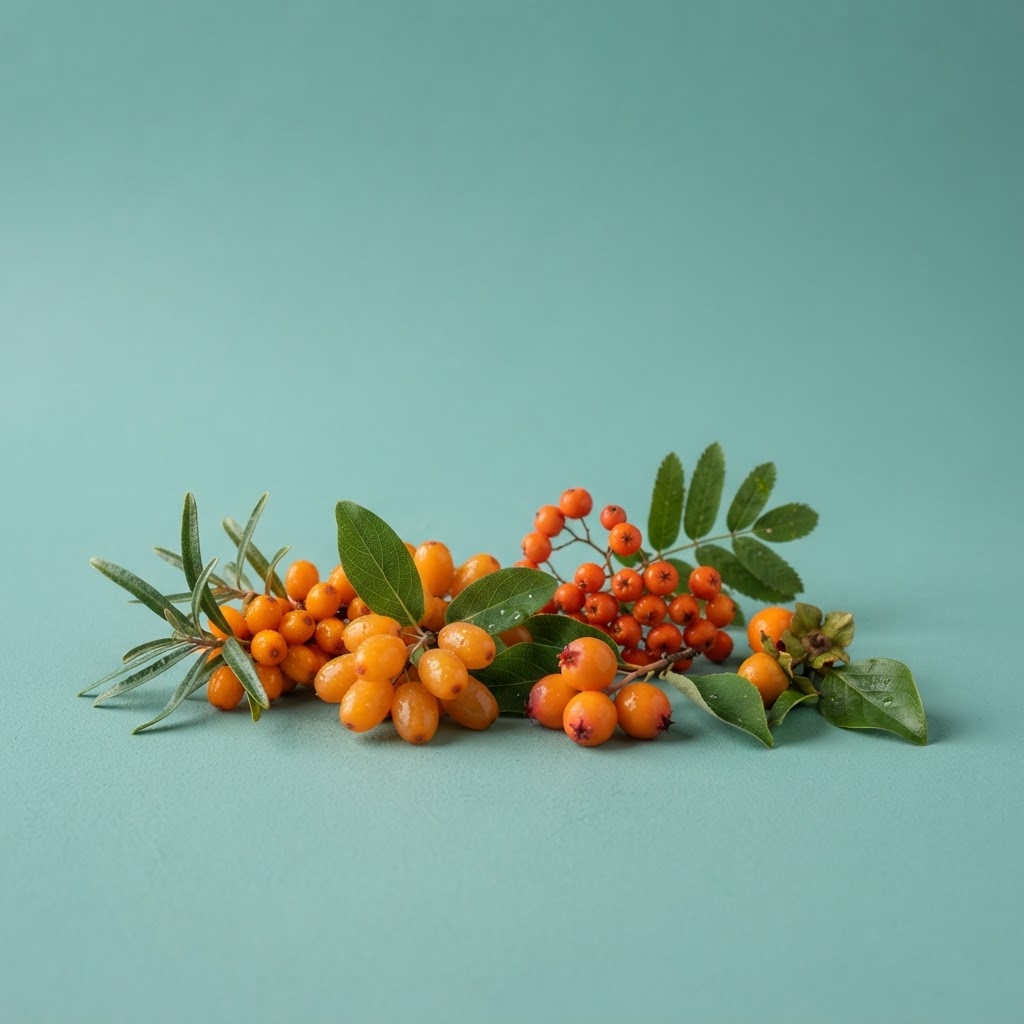
Orange berries in a garden hedge are one of the most common plant identification questions, and one of the few where getting it wrong matters. The group contains a genuinely useful food plant, two mildly toxic ornamentals, and several seriously poisonous species that produce orange or red-orange fruit.
This guide is written so that you finish with a shortlist and a clear instruction about what not to do.
The Rule That Comes First
Do not eat any berry identified only from a photo, an app, or a description in a guide. Orange and red berries are the most commonly mistaken group in the world, and several of the toxic species look almost identical to the edible ones from a metre away.
Identification is worth doing anyway. Knowing what is growing in your hedge tells you whether to keep children and dogs away from it, whether to prune it back, and whether it is worth planting something else.
The Four Features That Separate Them
- Thorns. Present or absent? This splits the group immediately.
- Leaf arrangement. Alternate or opposite? Check where the leaves meet the stem.
- Berry position. Scattered singly, or packed in dense clusters along the stem?
- Leaf texture. Glossy and leathery, or soft and dull?
The Common Orange-Berried Bushes
Pyracantha (firethorn). Thorny, with small glossy leaves in an alternate arrangement and dense clusters of small orange berries held tight against the stem. It is a classic hedging plant and it is very common. The berries are mildly toxic raw and cause stomach upset; birds eat them without trouble. Cooked and strained they are sometimes used for jelly, but this is not something to attempt without being certain of the plant.
Cotoneaster. No thorns. Small, glossy, alternate leaves and masses of small berries in late autumn. It looks like pyracantha without the spines, which is the fastest way to tell them apart. Berries are mildly toxic raw and should not be eaten.
Sea buckthorn. Thorny, with narrow silver-grey leaves and bright orange berries packed so tightly along the stem that they look like a sleeve. It grows in coastal and sandy areas and is genuinely edible — sharply sour, high in vitamin C, and used commercially in juices and oils. The giveaway is the silver foliage, which no other orange-berried shrub has.
Lantana. No thorns on the stems but rough, deeply veined leaves with a distinctive smell when crushed, and clusters of small berries that ripen from green through orange to black. Every part of lantana is toxic, and the unripe green berries are the most dangerous. It is a serious weed across much of Australia.
Jerusalem cherry. A small shrub with glossy undivided leaves and round orange-red berries held singly. It is a nightshade, and the berries are toxic. It is common in pots and often sold as an ornamental.
Ardisia (coral berry). Glossy leathery leaves with scalloped edges and clusters of long-lasting red-orange berries low on the plant. Toxic, and a serious environmental weed in parts of Australia.
Clivia. Not a bush in the usual sense — a strappy-leaved plant with a thick fleshy base and a cluster of bright orange berries after the flowers finish. Every part, including the berries, is toxic.
The Shortlist Test
Work through these four questions and you will usually land on one or two candidates.
| If the bush has… | It is probably… |
|---|---|
| Thorns, glossy alternate leaves, berries tight to the stem | Pyracantha |
| No thorns, glossy alternate leaves, massed berries | Cotoneaster |
| Thorns, narrow silver leaves, coastal situation | Sea buckthorn |
| Rough veined leaves, crushed-leaf smell, berries ripening through orange to black | Lantana — toxic |
| Soft glossy leaves, single round berries, nightshade-type flowers | Jerusalem cherry — toxic |
| Leathery scalloped leaves, berries clustered near the base | Ardisia — toxic |
Why the Nightshade Group Matters Most
The single most important thing to learn from this group is how to recognise a nightshade. Soft, glossy, undivided leaves. Small star-shaped flowers, often white or purple. Round berries, usually held singly rather than in a tight cluster along a stem. Often a slightly unpleasant smell when the foliage is crushed.
If an orange-berried plant matches that description, treat it as toxic and keep it away from children and pets. Our wild berry identifier explains the structural features that separate edible from toxic species more generally, and the berry tree identifier covers the same question for larger woody plants.
It is also worth knowing which orange-berried plants are trees rather than bushes, since those are a different list entirely. The tree with orange berries identifier covers rowan, strawberry tree and the rest.
What to Do With an Unidentified Bush
If you cannot identify it with confidence, the sensible actions are simple. Do not eat the berries. Do not let small children play with them. Wash your hands after pruning. If you have a dog that eats garden plants, fence the shrub or remove it.
If you want to keep the plant, photograph it now and again in flower — flowers are often far easier to identify than berries, and having both makes the job much simpler. Our guide to identifying plants and flowers from a photo covers what to capture.
The Short Version
Thorns plus glossy leaves plus berries tight along the stem means pyracantha. The same plant without thorns is cotoneaster. Silver narrow leaves means sea buckthorn, the one edible plant in the group. Rough leaves and a smell means lantana, which is toxic. And if it has soft leaves and single round berries, leave it alone entirely.
Frequently Asked Questions
Usually not. Most orange-berried garden shrubs — pyracantha, cotoneaster, lantana, Jerusalem cherry and Ardisia — are toxic or mildly toxic. The one genuinely edible exception is sea buckthorn, which has narrow silver leaves and sharp, sour fruit. Never eat an orange berry identified only from a photo.