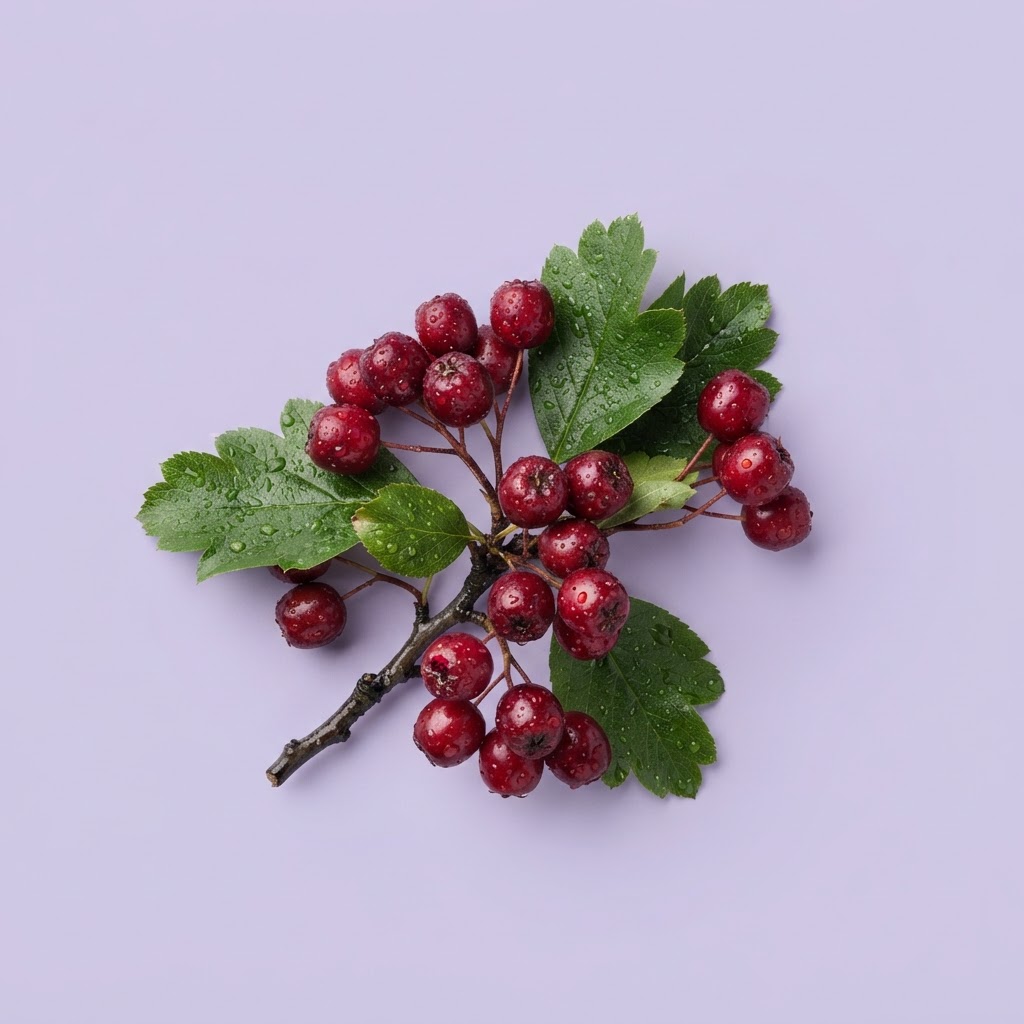
Berry-carrying trees and shrubs are the hardest identification group there is, for a simple reason: the fruit is small, the trees are often similar, and the consequences of a mistake are more serious than they are for a vegetable.
So this guide is built around a method rather than a list. Work through the six steps in order and you will usually land on a shortlist. Then stop, because a shortlist is not an identification.
The Six Steps
One: leaf arrangement. Are the leaves opposite each other at the same point on the stem, or alternate, one after another? This single question halves the field and it is the most stable feature on the tree.
Two: leaf shape and edge. Simple or compound? Smooth-edged, toothed or lobed? Glossy or matte? Hairy or smooth underneath?
Three: berry attachment. Do the berries hang singly, in pairs, in flat-topped clusters, in long drooping bunches, or packed tight against the stem? Attachment is more reliable than berry colour.
Four: berry colour, size and surface. How big, and is the surface smooth, powdery, hairy or segmented?
Five: season. When does it fruit? Early summer fruit is a very different list from late-winter fruit.
Six: bark and habit. Tree or shrub? Smooth grey, peeling, or corky and ridged?
The Common Berry Trees
| Plant | Leaf | Berry | Edible? |
|---|---|---|---|
| Elderberry | Opposite, pinnate, many leaflets | Tiny black-purple, in flat clusters | Only cooked |
| Serviceberry | Alternate, oval, toothed | Small purple-red, few per cluster | Yes |
| Mulberry | Alternate, glossy or rough, often lobed | Elongated, dark or pale | Yes |
| Strawberry tree | Alternate, glossy, serrated, evergreen | Round, bumpy, orange | Yes, but bland |
| Cornelian cherry | Opposite, oval, smooth-edged | Bright red, elongated | Yes, when fully ripe |
| Hawthorn | Alternate, deeply lobed, thorny | Small red, one stone | Bland, seeded |
| Rowan | Alternate, pinnate | Small orange-red, flat clusters | Only cooked |
| Holly | Alternate, spiny, evergreen | Red, in tight clusters | No — toxic |
| Yew | Evergreen needles, not true leaves | Red fleshy cup around a seed | No — highly toxic |
The Ones to Know by Name
Two plants in the list above kill people, and both are common in gardens and parks.
Yew. Not a broadleaf tree at all — it has dark green needles, not leaves. The berry is a red, fleshy, cup-shaped aril around a single hard seed. The red flesh is not the dangerous part; the seed inside is, along with the needles and bark. Every part of yew except the aril is highly toxic, and deaths have occurred from people chewing the seeds thinking the fruit was safe because the flesh is not poisonous.
Holly. Glossy, spiny, evergreen leaves with red berries in tight clusters in winter. The berries are toxic to humans and cause severe stomach upset. They are eaten by birds, which is why the plant produces them.
Privet. An extremely common hedge plant with small glossy leaves and clusters of small black berries in autumn. The berries are toxic, and the plant is everywhere, which makes it the most likely accidental ingestion in a suburban garden.
Pokeweed. Large soft leaves, thick red-purple stems on mature plants, and drooping clusters of dark purple berries. Every part is toxic, and the berries look enough like grapes to be genuinely dangerous.
The Safety Rules That Do Not Bend
- Never eat a berry identified only from a photo or an app. Photo tools are useful for narrowing down and dangerous as a final authority.
- Never eat a berry identified by colour alone. Colour is the least reliable feature in this group.
- Never eat a berry because a bird is eating it. Birds metabolise many toxins that humans cannot.
- Never eat a berry because it looks like a familiar fruit. Pokeweed berries look like grapes and are toxic.
- If you are not certain, do not eat it. There is no berry worth the risk.
The point of identification here is mostly practical rather than culinary. Knowing what is in your garden tells you whether to keep toddlers and dogs away from it, whether to remove it, and whether it is worth leaving for the birds.
Berries Worth Knowing as Food
Once you have ruled out the dangerous ones, there is a genuinely useful group.
Elderberry must be cooked. Raw berries and the stems cause nausea, and the traditional use is always cooked — syrup, cordial or wine. Cooked elderberry is excellent.
Serviceberry is one of the best wild berries and needs no cooking. Small, sweet and blueberry-like, ripening in early summer.
Cornelian cherry is not a cherry but a dogwood with bright red elongated fruit. It is extremely sour until fully ripe and soft, at which point it becomes pleasant.
Mulberry is covered in detail in our mulberry species identifier, including why fruit colour is a poor guide to which species you have.
If you are working through the shrubby end of the group rather than the trees, the tree with orange berries identifier and the orange berry bush identifier cover the orange and red-fruited species. Our wild berry identifier goes deeper into the structural features that separate edible from toxic species, and blueberry identification covers the one berry group most people can identify with confidence.
The Short Version
Leaf arrangement first, then leaf shape, then how the berries attach, then colour and season. Confirm with the bark. Learn yew, holly, privet and pokeweed by sight so you never have to think about them again. And treat any berry you cannot identify with certainty as food for the birds.
Frequently Asked Questions
Work through six features in order: leaf arrangement (opposite or alternate), leaf shape and edge, how the berries attach to the stem, berry colour and size, the fruiting season, and the bark and habit. Attachment is more reliable than berry colour, which is the least dependable feature in this group.