PickFresh
Nutrition & Freshness Guides

Nutrition Guides

What Do the Number Codes on Fruit Stickers Actually Mean?
8 min readNutrition GuidesPurple Tomatoes - What Do They Taste Like?
6 min readNutrition GuidesWhy Do Chilies Burn Your Hands, and What to Do About It
7 min readNutrition GuidesWhy Do Sweet Potatoes Turn Black When You Cut Them?
7 min readNuts, Trees & Food Scanners
Fruit App: What It Should Actually Do
A fruit app should identify what you are holding, tell you whether it is ripe, and help you use it before it spoils. Here is what to look for and what to skip.
Fruit Recognition App: How It Works and What It Gets Wrong
How a fruit recognition app actually identifies what is in your hand, where it is reliable, where it fails, and how to take a photo that gets you a useful answer.
Fresh Vegetables App: How to Tell What's Actually Fresh
A fresh vegetables app helps you judge quality at the shop and use what you buy before it spoils. Here are the freshness signals that actually work, vegetable by vegetable.
Vegetable App: Identify, Check and Cook What You've Got
What a vegetable app should do beyond naming a plant — identification, freshness checking, portion guidance and turning what is in your fridge into dinner.
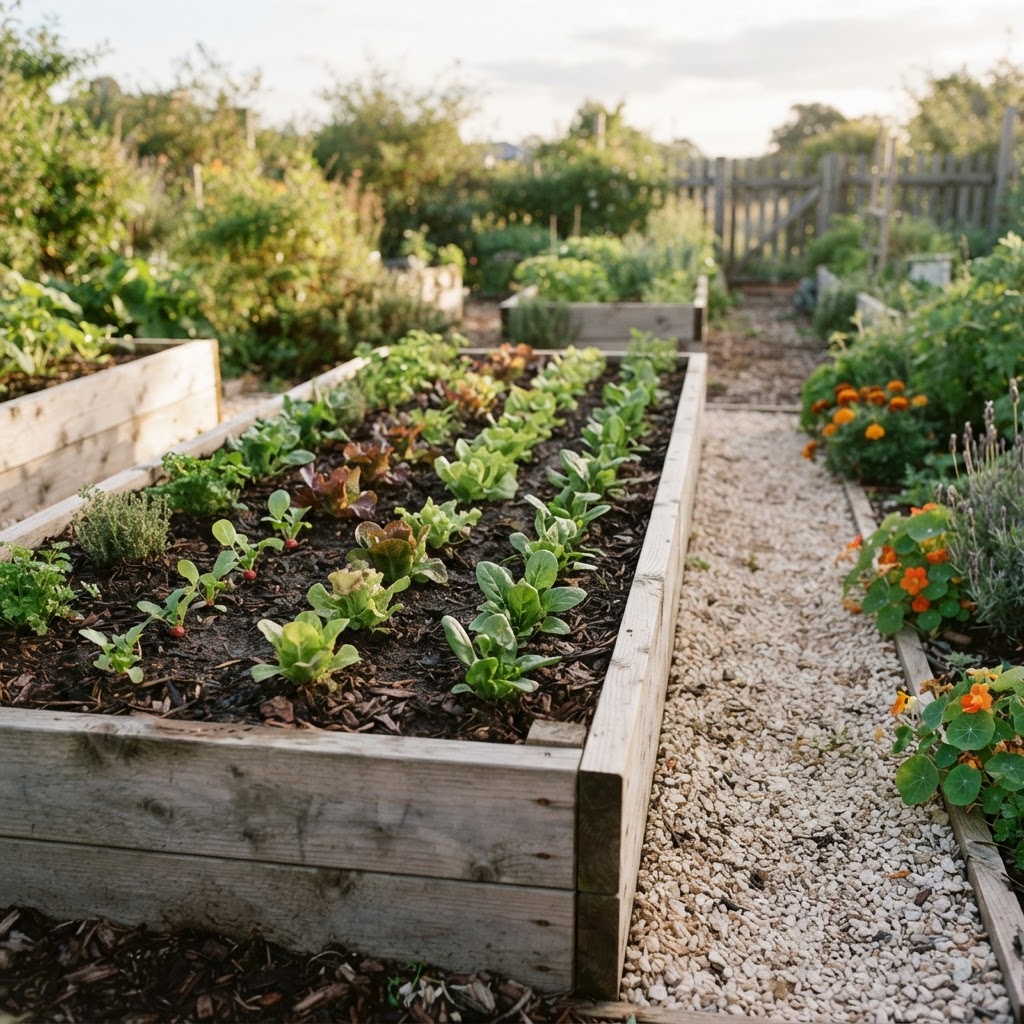
Vegetable Garden Planning App: Plan a Bed That Works
How to plan a vegetable garden properly — bed size, plant spacing, sun, access, succession and climate — with a free interactive planner and planting calendar.
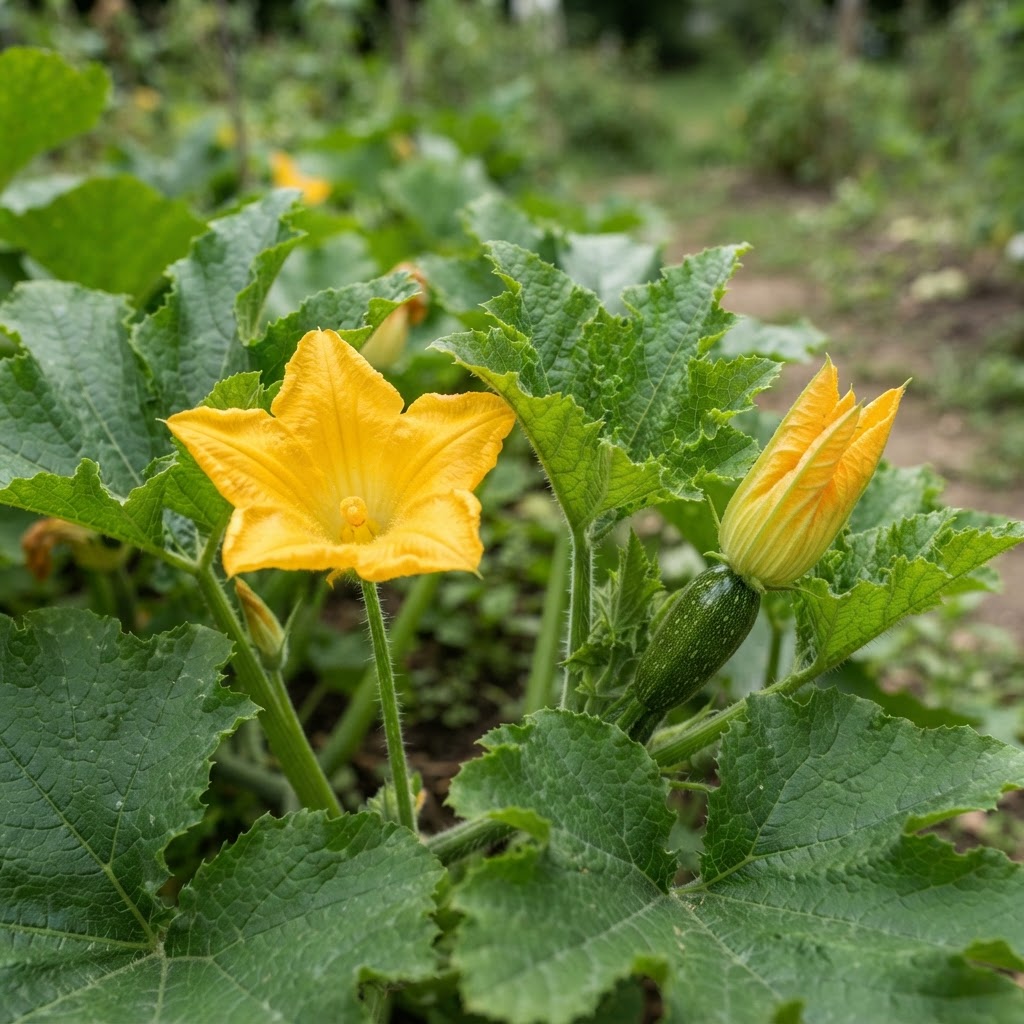
Identify a Squash Plant: Leaves, Flowers and Fruit Compared
How to tell squash, pumpkin, zucchini and gourd plants apart by leaf, flower, stem and fruit — including the stages where they all look identical.
Get the best of PickFresh straight to your inbox
Seasonal produce guides, freshness tips, and healthy recipes — delivered weekly. No spam.
Herbs, Weeds & Houseplants
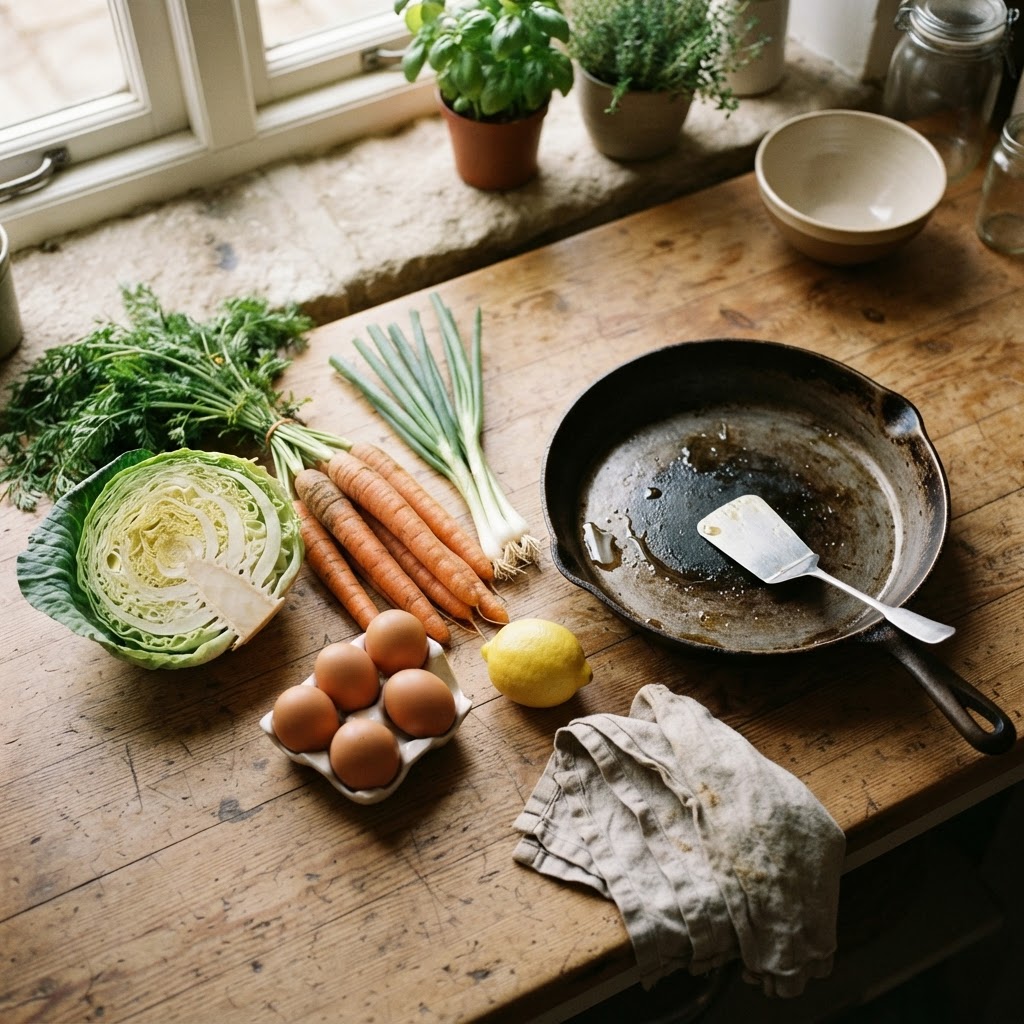
Leftover Recipe Generator: Turn What's Left Into Dinner
How a leftover recipe generator works, which leftovers combine well, and how to cook a real meal from the odds and ends in your fridge without a shopping trip.
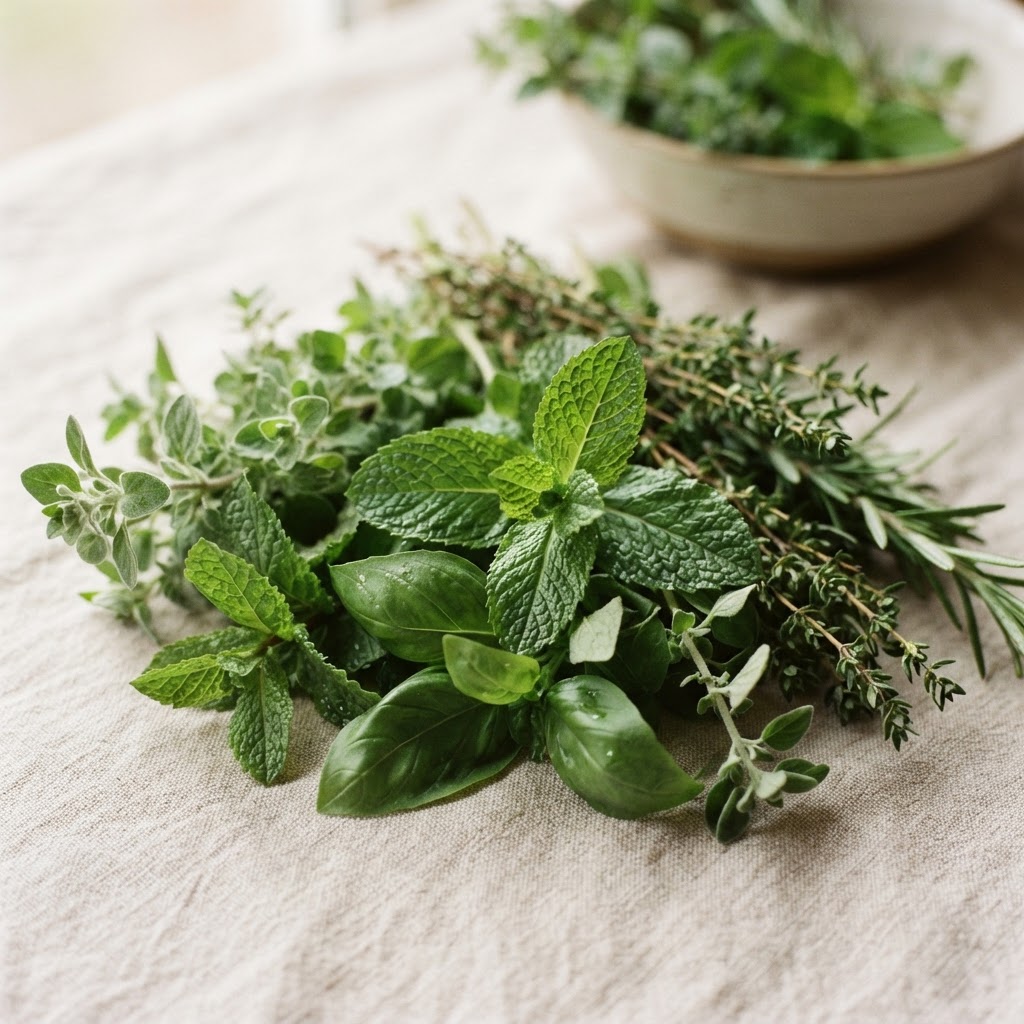
Herb Identifier: Name Any Herb by Leaf, Stem and Smell
Identify herbs by leaf shape, arrangement, stem shape and aroma. A practical guide to the culinary herbs and the weeds most often mistaken for them.
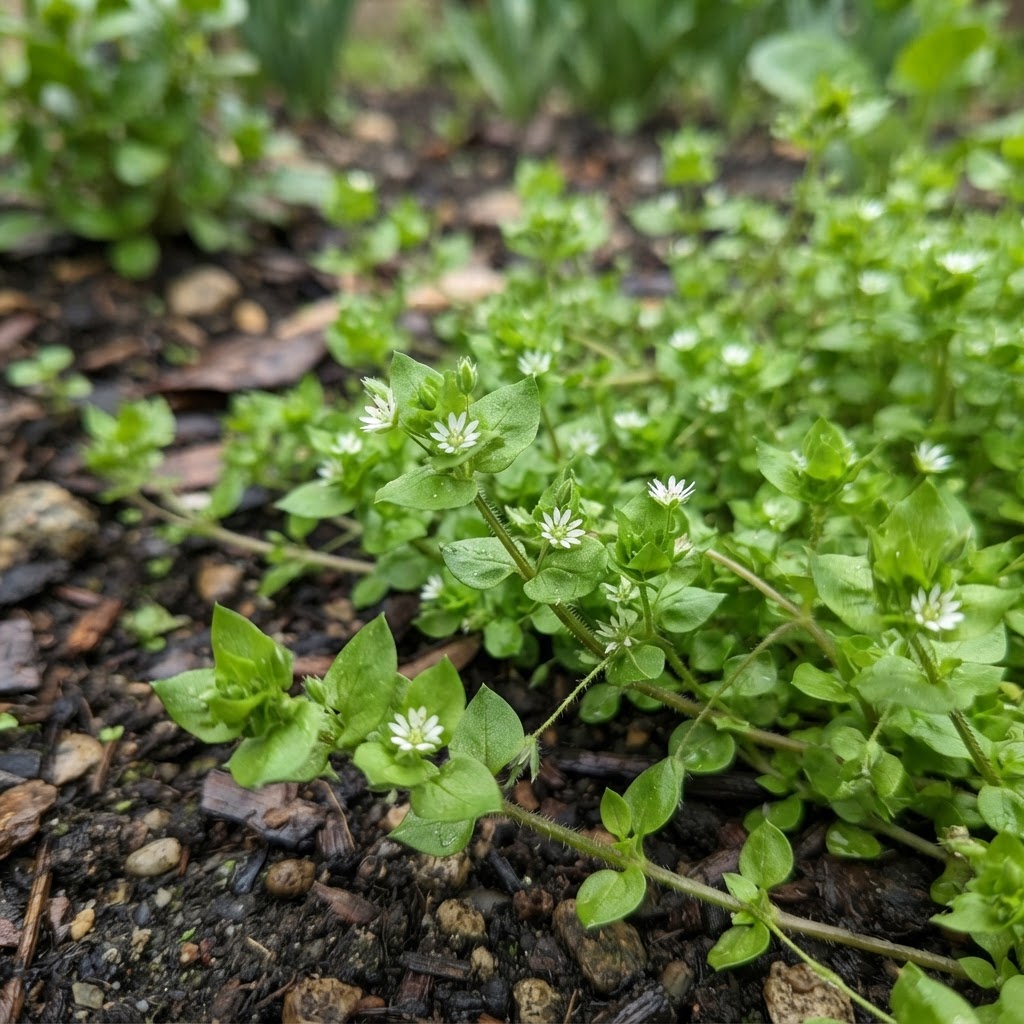
Chickweed Identifier: How to Tell Chickweed From Its Lookalikes
Identify chickweed by its single line of alternating stem hairs, pointed oval leaves and white star flowers — and how to tell it from mouse-ear chickweed and the others it grows beside.
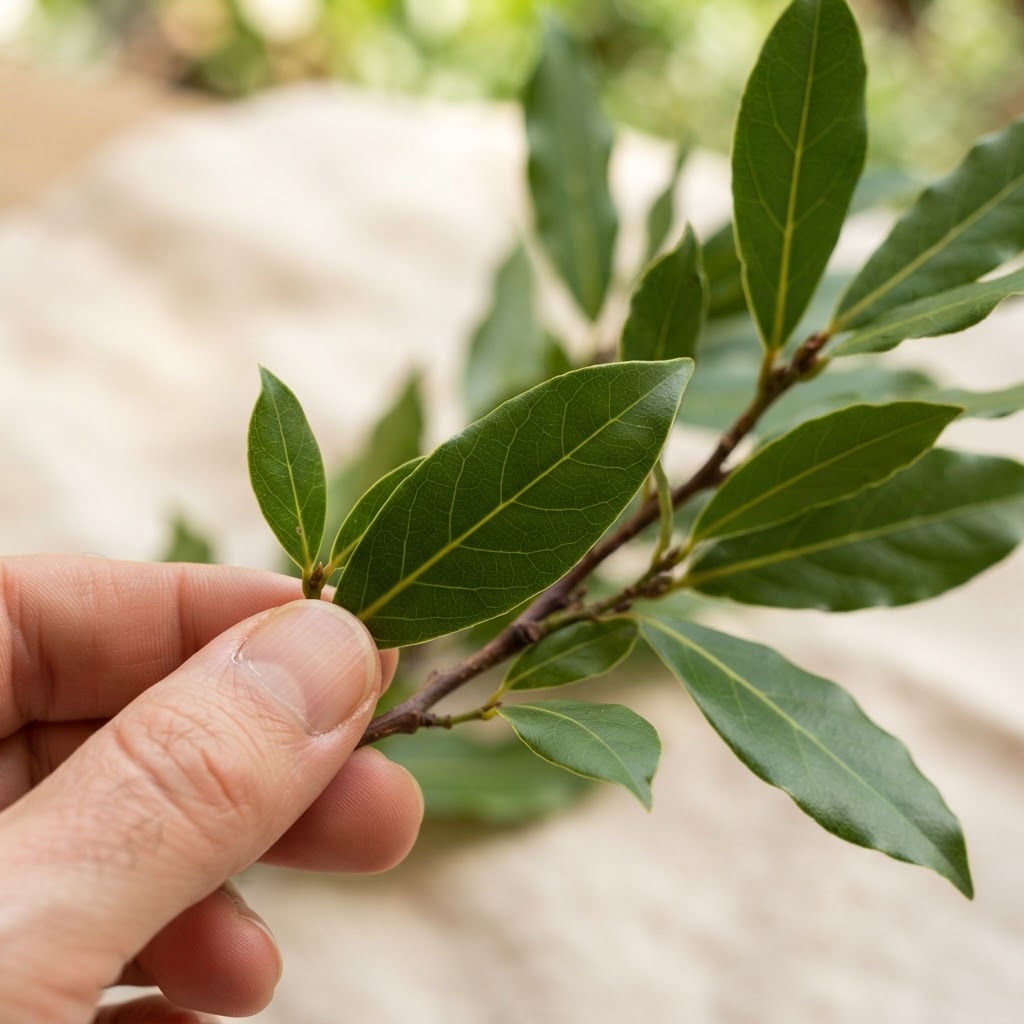
Bay Leaf Tree Identifier: True Bay vs the Toxic Lookalikes
How to identify a true bay tree by its leaves, bark and aroma — and how to tell it from cherry laurel, which looks similar and is seriously poisonous.
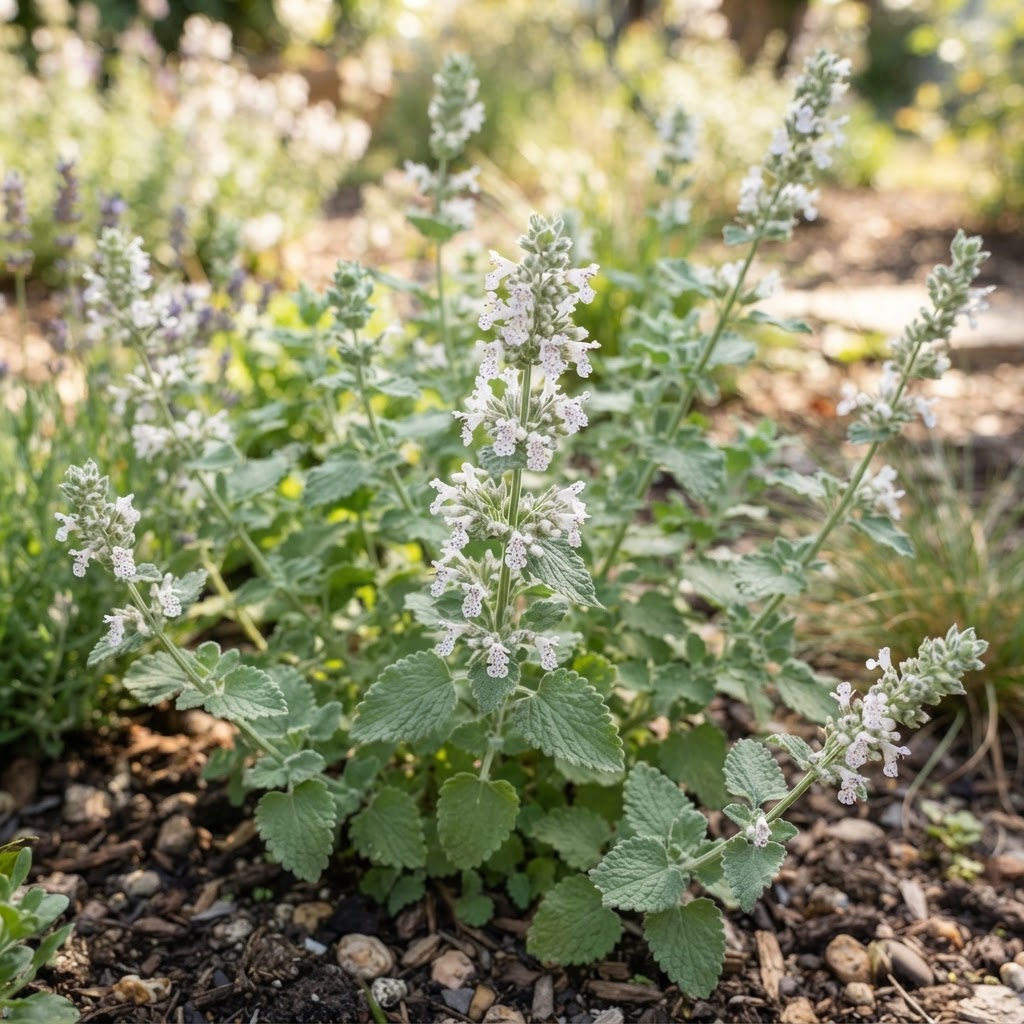
Catnip Identifier: How to Tell Catnip From Catmint and Mint
Identify catnip by its grey-green scalloped leaves, square stems, downy texture and white spotted flowers — plus how to tell it from catmint, lemon balm and mint.
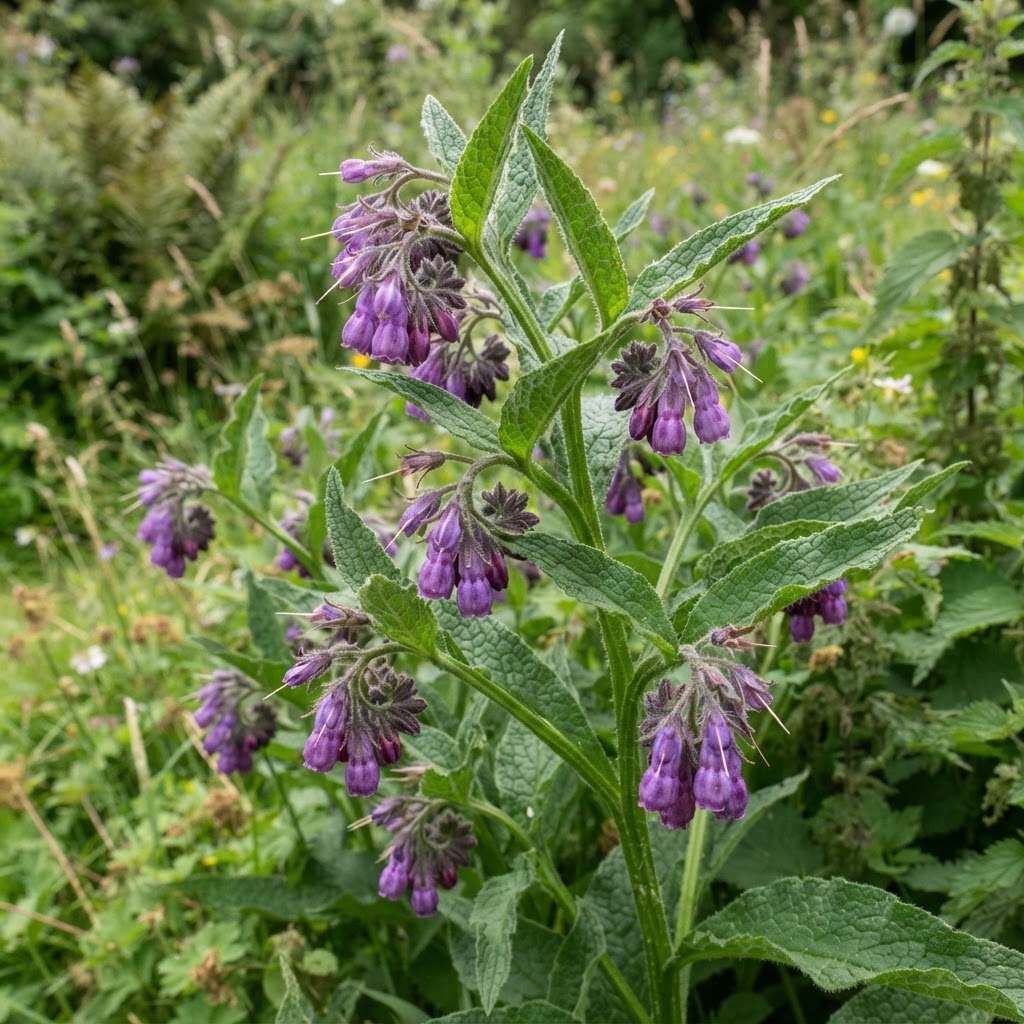
Comfrey Identifier: How to Identify Comfrey Safely
Identify comfrey by its coarse hairy leaves, winged stems and drooping bell flowers — and how to tell it from foxglove before either of them flowers.
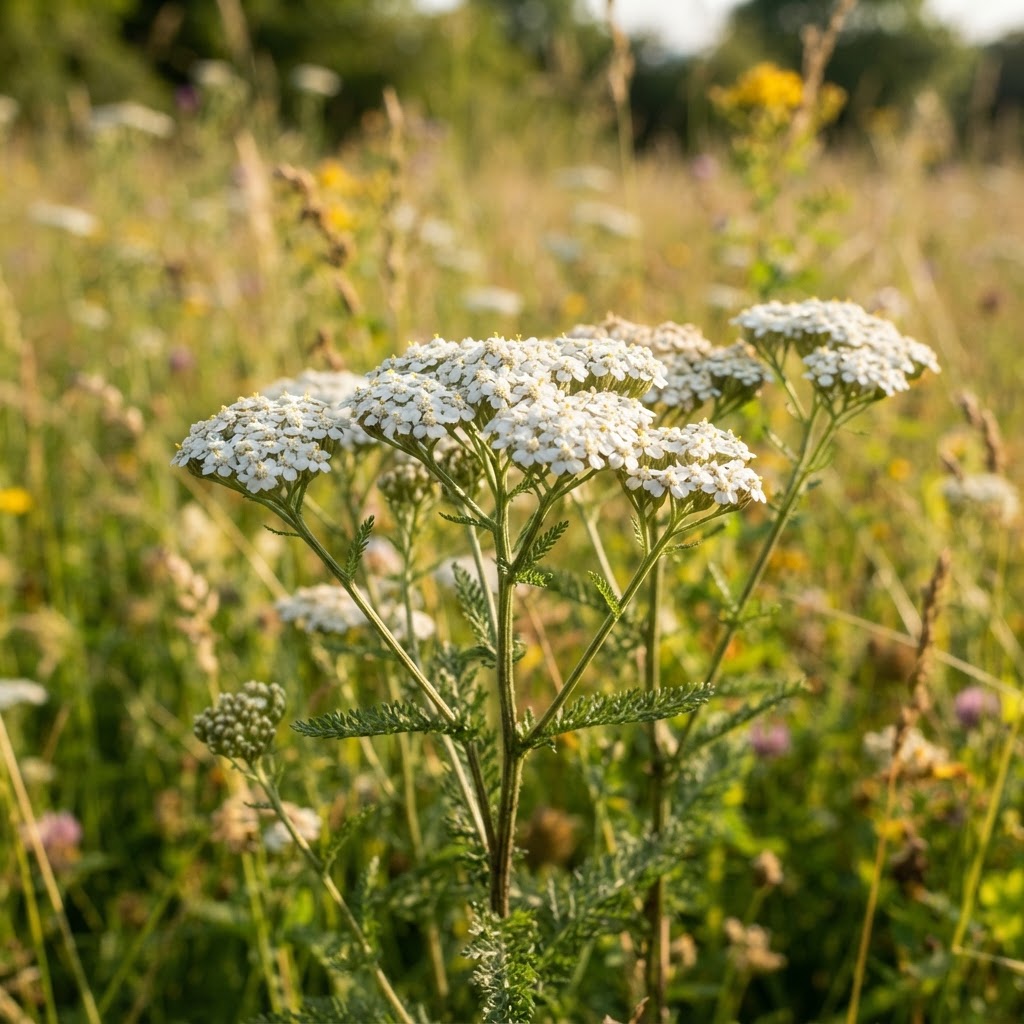
Common Yarrow Identifier: How to Identify Yarrow in the Wild
Identify common yarrow by its finely divided feathery leaves and flat-topped clusters of tiny white flowers — and how to tell it from the carrot-family plants it grows among.
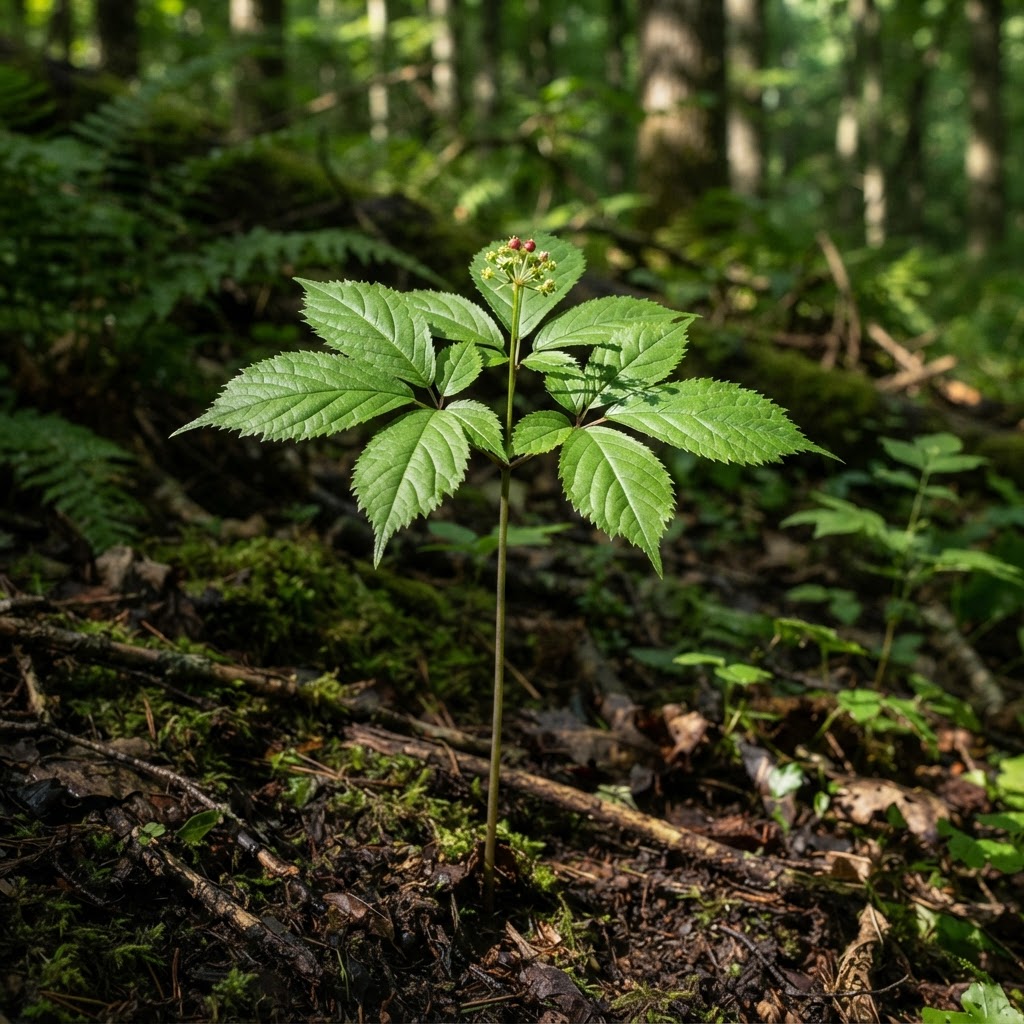
Ginseng Identifier: How to Identify Ginseng and Its Lookalikes
Identify ginseng by its whorl of compound leaves with five toothed leaflets and its cluster of red berries — plus the lookalikes, and why wild ginseng is protected.
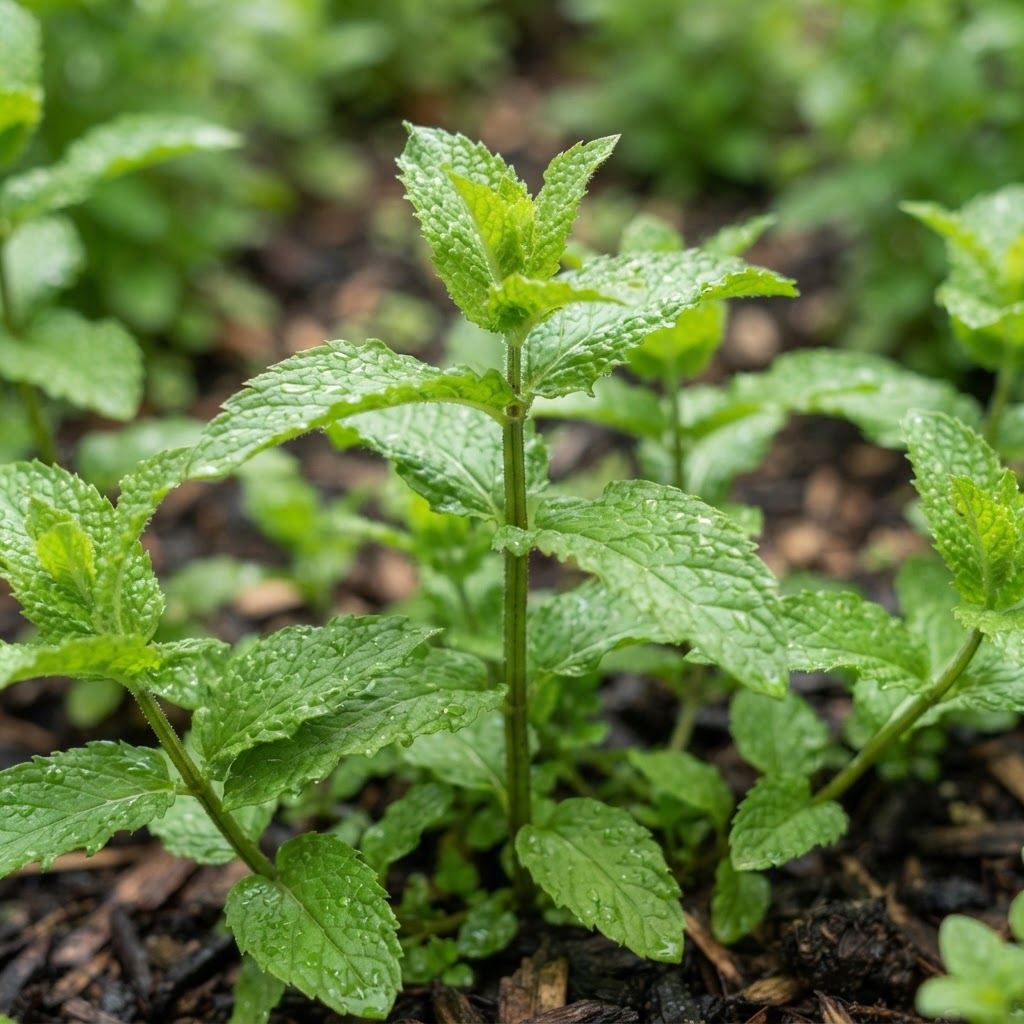
Mint Identifier: How to Tell the Mints Apart
Identify mint by its square stem, opposite toothed leaves and strong mint aroma — then tell spearmint from peppermint, apple mint, water mint and the mint-family lookalikes.
Plant & Tree Identification
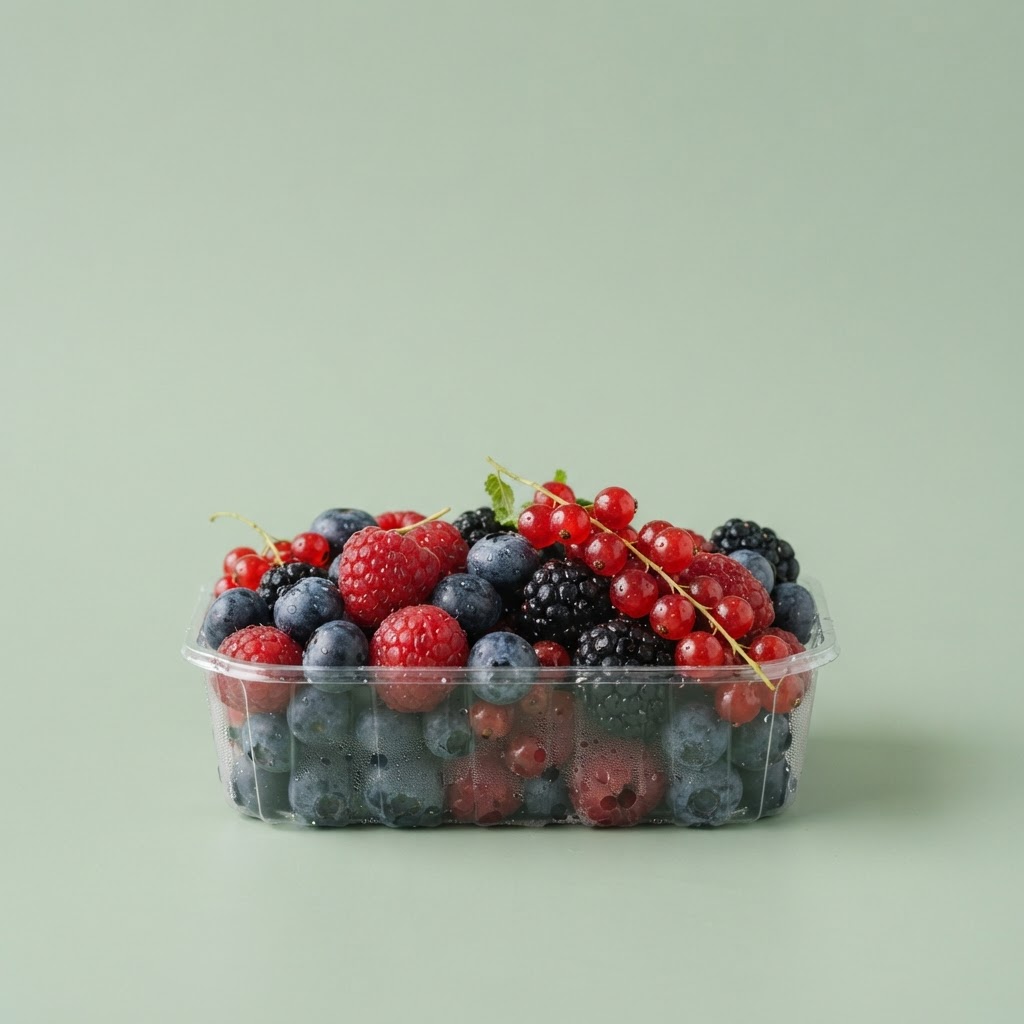
Identify Berries: Which Berry Are You Looking At?
A practical guide to identifying berries by size, colour, skin texture and how they attach to the plant — plus the lookalikes that catch people out and the berries you should never eat.
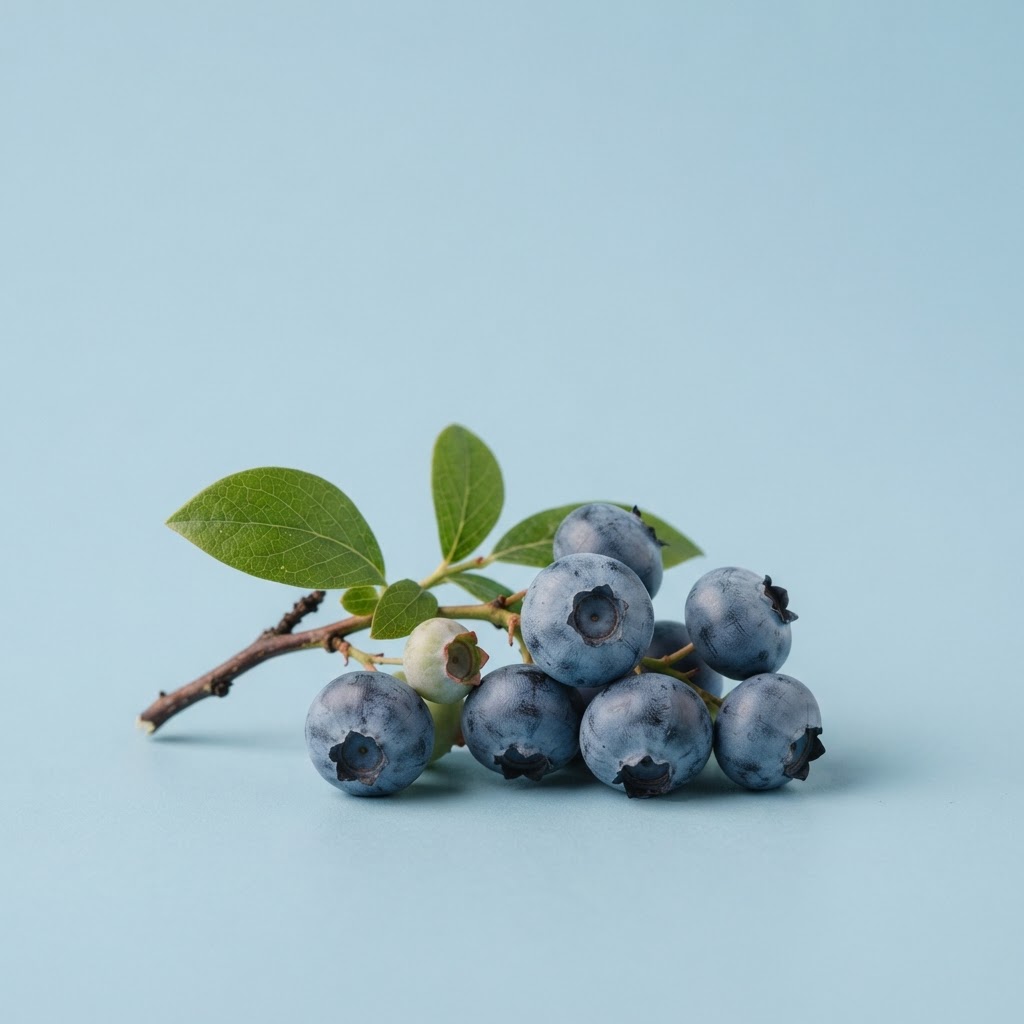
Blueberry Identification
Identify blueberry bushes by their leaves, stems, flowers and berries — plus how to tell blueberries from huckleberries, bilberries and the wild berries that are not safe to eat.

Fruit Tree Identifier
A practical system for identifying fruit trees from the fruit, leaves, bark and blossom — plus how to narrow down an unknown tree in a garden, orchard or backyard.
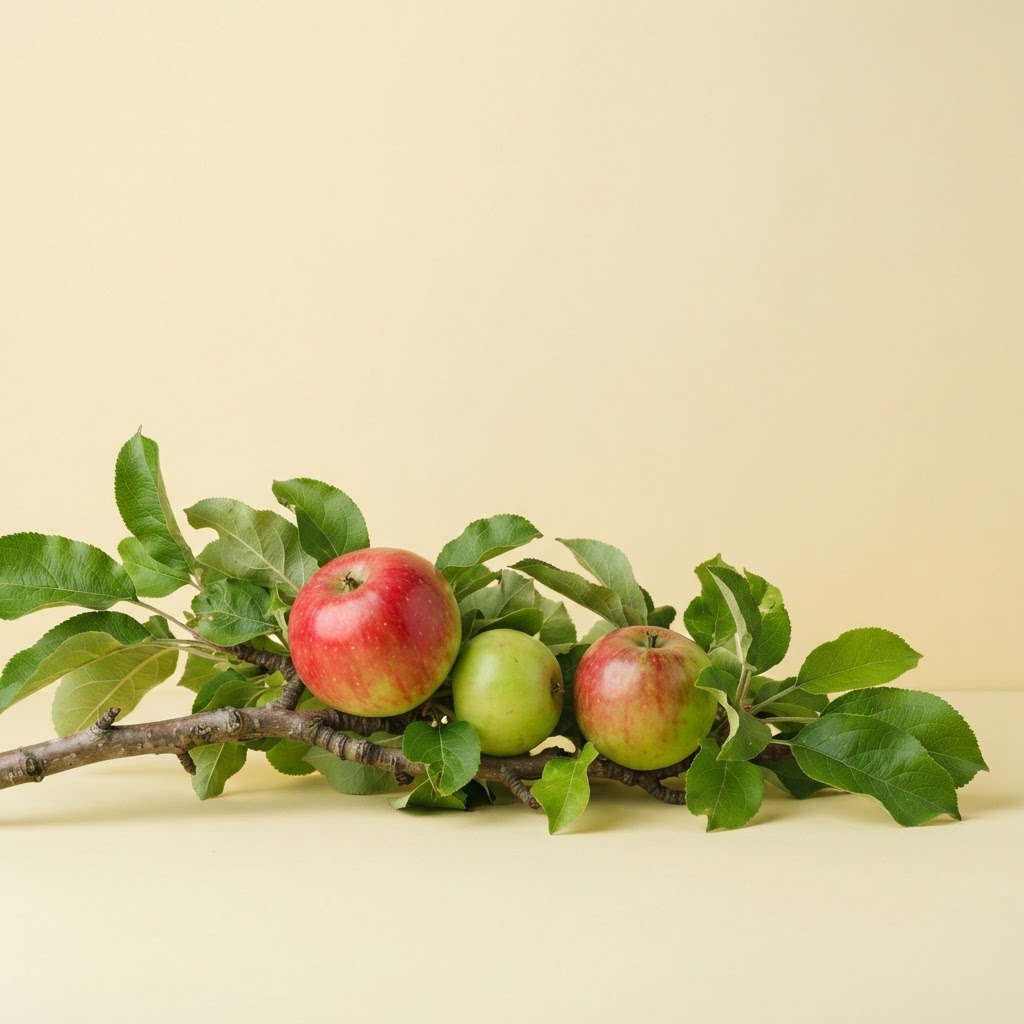
Apple Tree Identification
How to identify an apple tree at any time of year — by its leaves, bark, blossom and fruit — plus how to tell apples apart from pears, quinces and crab apples.
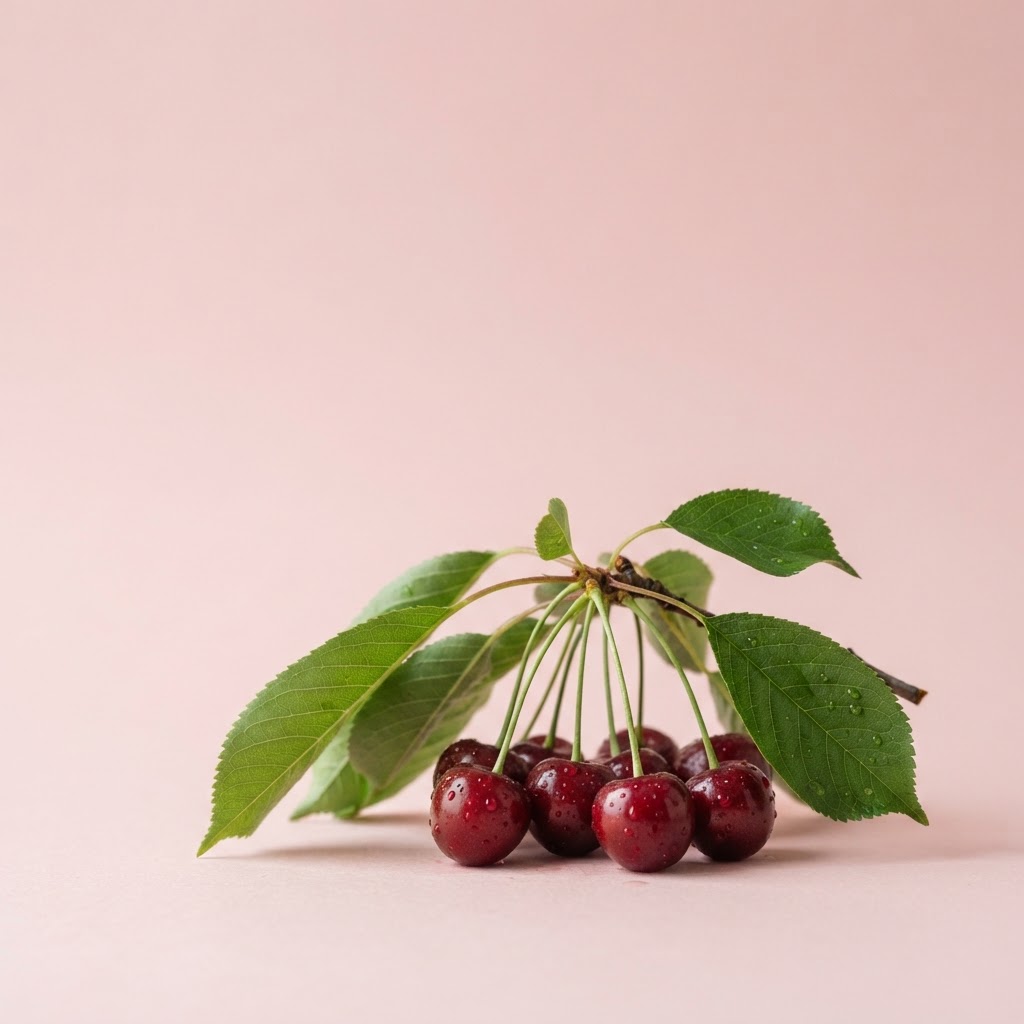
Cherry Tree Identification
Identify a cherry tree by its bark, leaves, blossom and fruit — including the two glands on the leaf stalk that separate cherries from plums, peaches and nectarines.
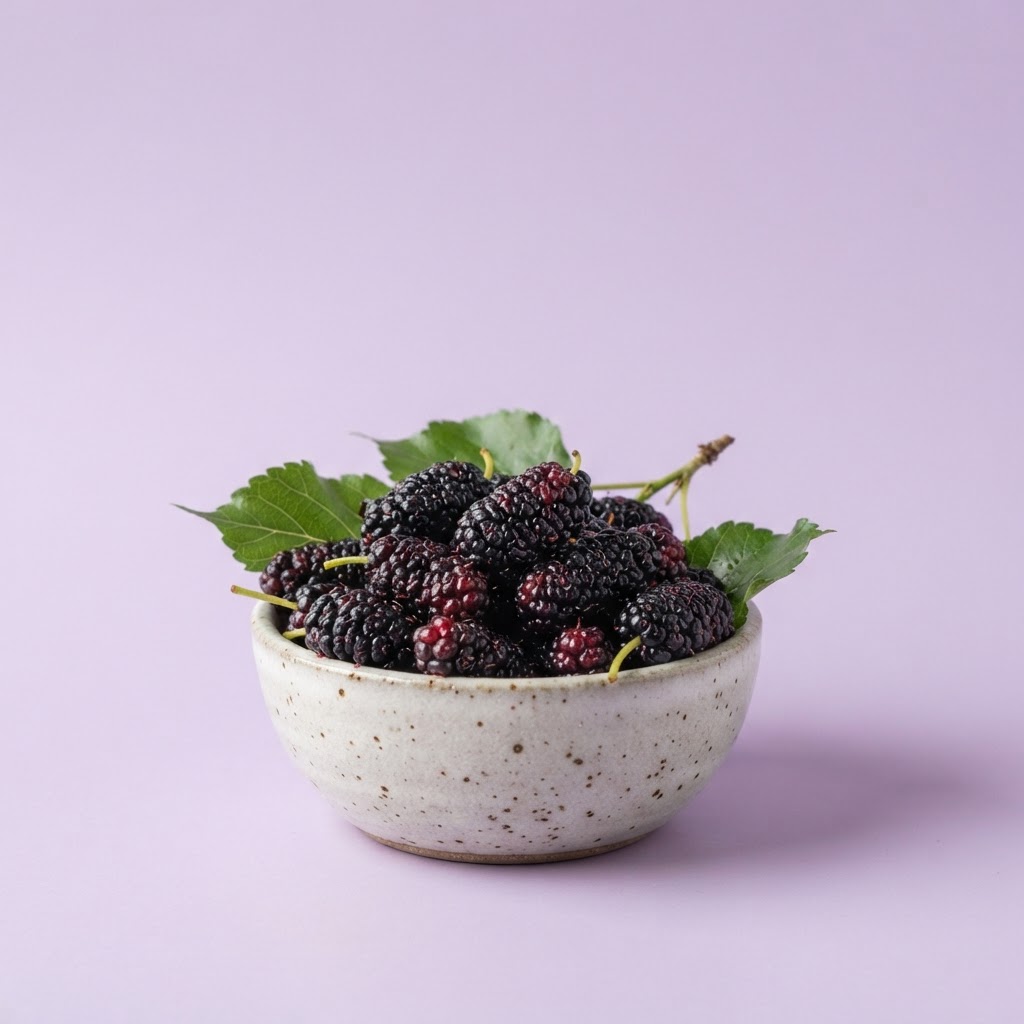
Mulberry Tree Identification
How to identify a mulberry tree by its leaves, bark and fruit — including how to tell white and black mulberries apart, and the trees it is most often confused with.
Interactive Tools


Bark, Seeds & Succulents
Tree Bark Identifier: Name a Tree From Its Bark
Bark is the one feature a tree shows you all year. Learn how bark forms, which patterns actually identify a species, and how to photograph it so an identification holds up.
Grape Identifier: Which Grape Are You Eating?
Identify table grapes by berry colour, size, seed content and skin, and learn how to tell the supermarket varieties apart without the punnet label.
Succulent Identifier: Name the Plant on Your Shelf
Identify succulents by leaf shape, rosette form, colour and how they grow. Covers echeveria, sedum, crassula, kalanchoe, aloe, haworthia and the lookalikes people mix up.
Seedling Identifier: What Have I Just Grown?
Identify vegetable and flower seedlings by their first true leaves, stem colour and leaf shape — including the weeds that come up alongside them.
Cactus Identifier: Tell One Cactus From Another
Identify cacti by their body shape, ribbing, spine pattern and flowers. Covers columnar, globular, paddle and epiphytic types, and how to tell a cactus from a euphorbia.
Lime Tree Leaf Identification: Lime, Lemon or Kaffir?
Identify a lime tree from its leaves alone — leaf size, colour, the winged stalk and the thorns — and tell true lime from lemon, mandarin and kaffir lime.
Blossom, Brambles & Green Fruit
Pawpaw Tree Identification: Pawpaw or Papaya?
Two completely different fruit trees share the name pawpaw. Learn to tell the North American pawpaw from the tropical papaya by leaf, flower, fruit and trunk.
Cherry Wood Tree Identification: Bark, Timber and Grain
Identify cherry trees from their bark and their timber — the horizontal lenticels, the peeling rings, the pinkish heartwood and the fine grain that separates cherry from plum, birch and alder.
Boysenberry Identification: Cane, Leaf and Berry
Identify a boysenberry plant and its fruit, and tell it apart from blackberry, loganberry, youngberry and tayberry by cane, leaf and the shape of the berry.
Squash Species Identification: The Four Cucurbita Groups
Identify squash, pumpkin and gourd species by stem shape, fruit stalk and seed — and learn why the species matters for cross-pollination and for eating safely.
White Flowering Fruit Trees Identification
Identify fruit trees in white blossom by petal shape, stamen colour, leaf emergence and flowering order — apple, pear, cherry, plum, peach, almond and quince.
Prickly Pear Identification: Pads, Spines and Glochids
Identify prickly pear and other Opuntia cacti by their flat pads, areoles, spine pattern, flowers and fruit — plus how to handle them without getting glochids in your hands.
Food, Nuts & Recipe Finders
Food Identifier: Name Any Dish, Ingredient or Packaged Food
Upload a photo of a dish, an ingredient or a packaged food and get an instant identification, the likely ingredients and the allergens to watch for.
Nut Identifier: Name Any Nut, In Shell or Shelled
Identify nuts by their shell, shape, colour and kernel — almond, walnut, pecan, hazelnut, macadamia, brazil, cashew, pistachio, chestnut and peanut.
Pasta Identifier: Name That Shape and Match It to a Sauce
Identify pasta shapes by name and type, from spaghetti and rigatoni to orecchiette and trofie, and learn which sauce each shape is built to hold.
Recipe Finder With Ingredients You Have
Type in the ingredients in your fridge and pantry and get recipes ranked by how little extra shopping you need. Free, no sign-up, works on any device.
What Can I Make for Supper With These Ingredients?
Tell us what is in the kitchen and get supper ideas for tonight. Main meals, quick where possible, ranked by how little extra shopping you need.
What Can I Make With These Ingredients App
A free ingredient-to-recipe app that works in your browser. Enter what is in your kitchen and get recipes that use it up, with no shopping trip required.
Kitchen Tools & Plant Problems
30 Most Popular Chinese Fruits (And What They Actually Taste Like)
The 30 fruits you will actually see in a Chinese market, what each one tastes like, how to eat it, and how to spot a good one. Written by someone who has bought a lot of bad lychees.
Identify Plant Disease by Picture: A Practical Guide
Photograph a sick plant and get a diagnosis with the treatment that actually works. Plus how to photograph symptoms properly, and the mistakes I made for years.
Baking Ingredient Substitute Converter
Run out of buttermilk, eggs or baking powder mid-recipe? Get the swaps that actually work, with the exact ratio for each one and what changes about the bake.
Identifying Bugs on Plants: Friend or Pest?
Photograph an insect on your plants and find out whether it is eating your crop or eating the things that are. Plus the ones I used to kill by mistake.
Food Waste Cost Estimator: What You Throw Away Every Year
List what you threw out this week and find out what it costs you over a year. The number is usually bigger than people expect, and it is the fastest way to cut a grocery bill.
Extract Recipe Text From an Image
Turn a photo of a recipe book page, a handwritten card or a screenshot into typed ingredients and method you can actually cook from. No typing it out by hand.
Fruit, Leaf & Berry Identification
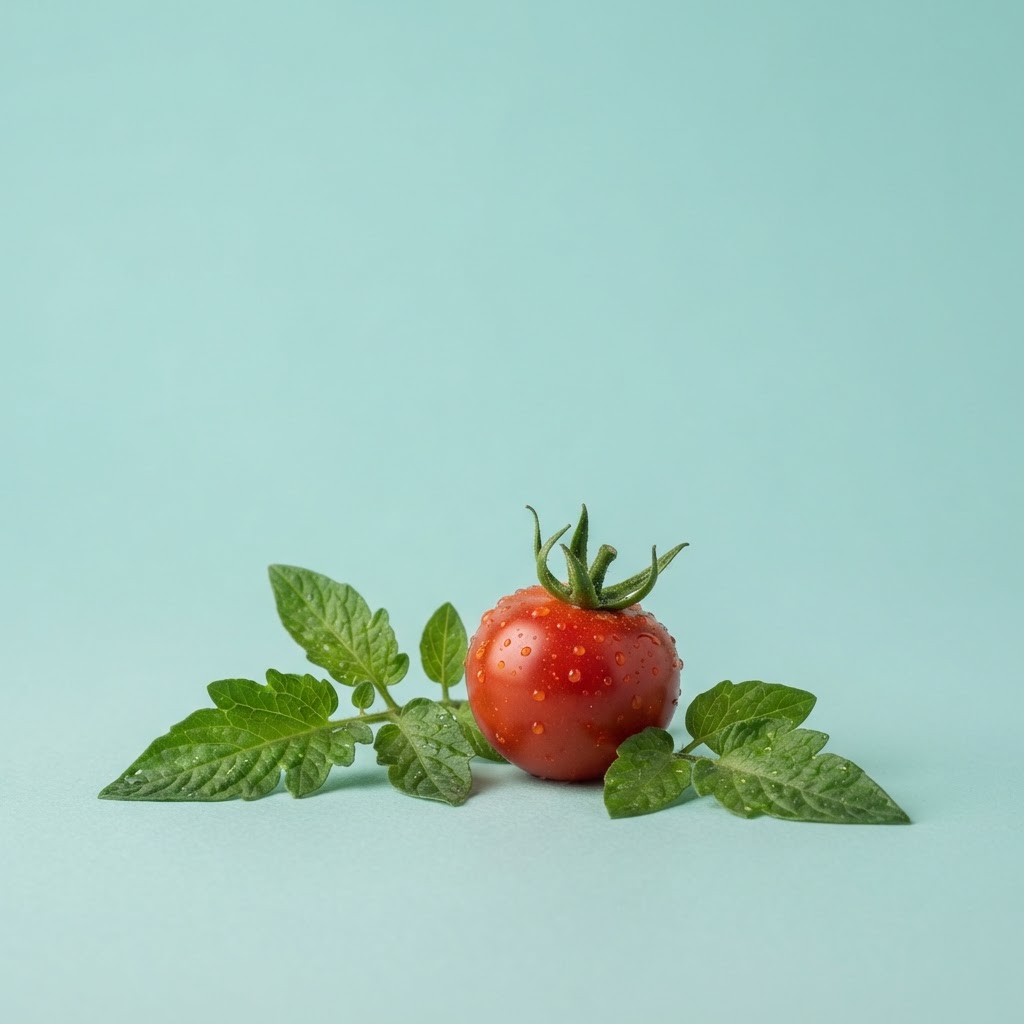
Tomato Plant Identifier
Identify a tomato plant by its leaves, stems, flowers and smell, long before any fruit appears. Includes the nightshade lookalikes and how to tell them apart safely.
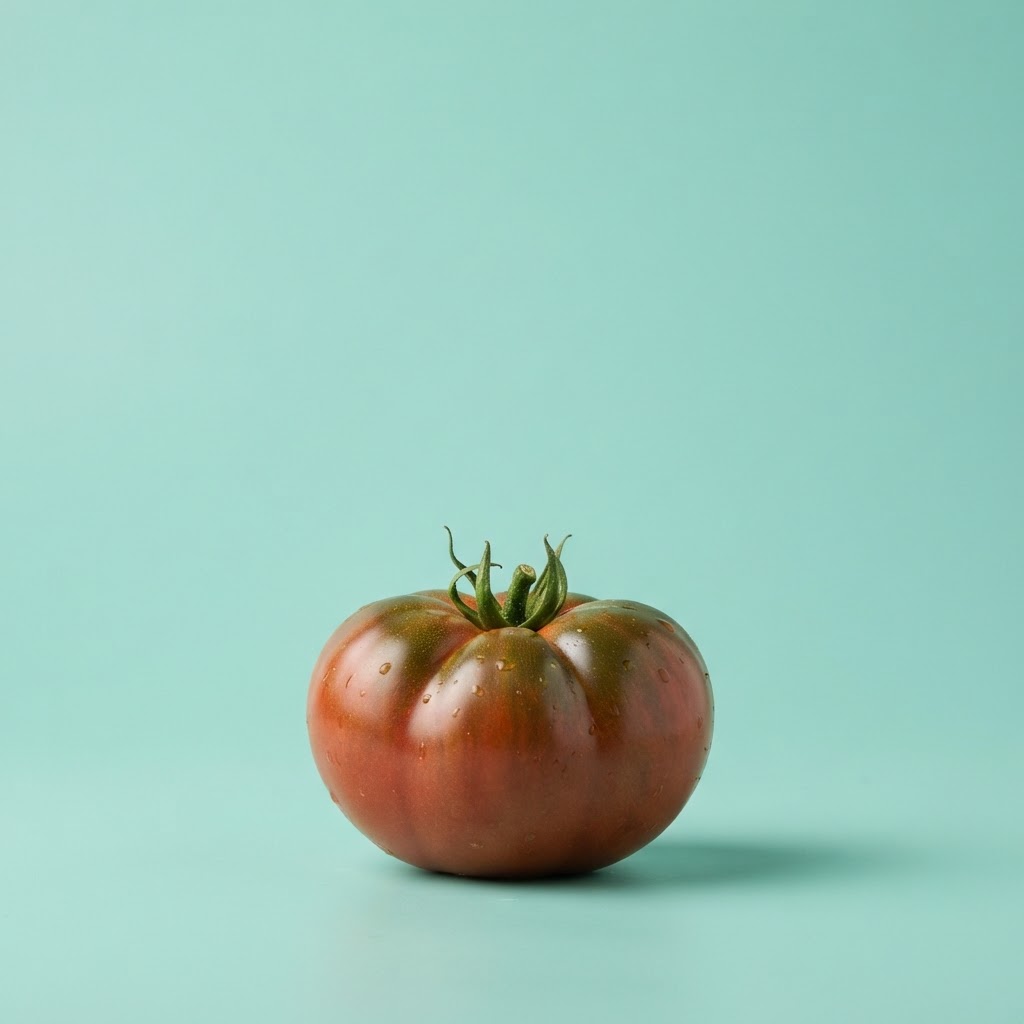
Tomato Identifier: Name the Variety
Identify tomato varieties by size, shape, colour, shoulders and skin — beefsteak, plum, cherry, black, green and striped heirlooms — and why variety names are so slippery.
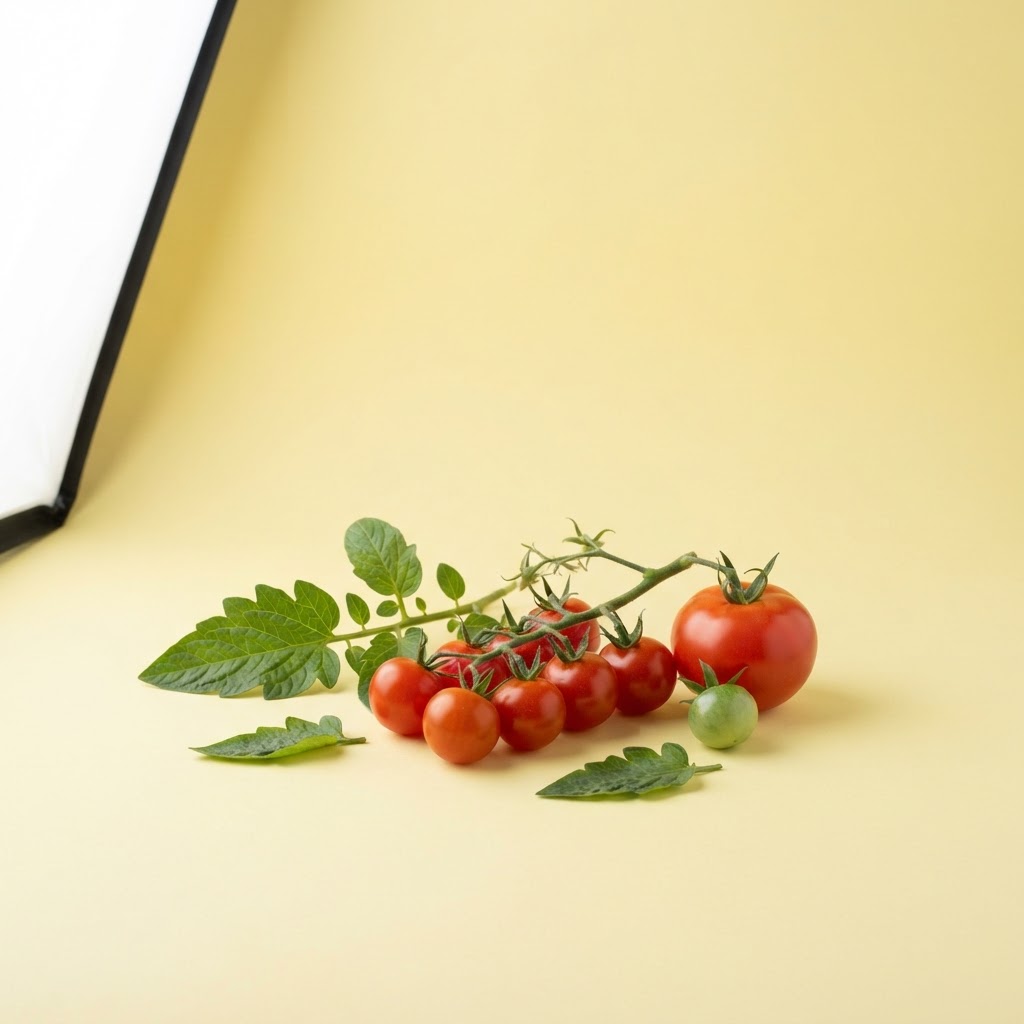
Tomato Leaf Identifier
Identify tomato leaves by leaflet count, serration, hairs and smell, and tell regular-leaf from potato-leaf varieties. Plus what yellowing, curling and spots actually mean.
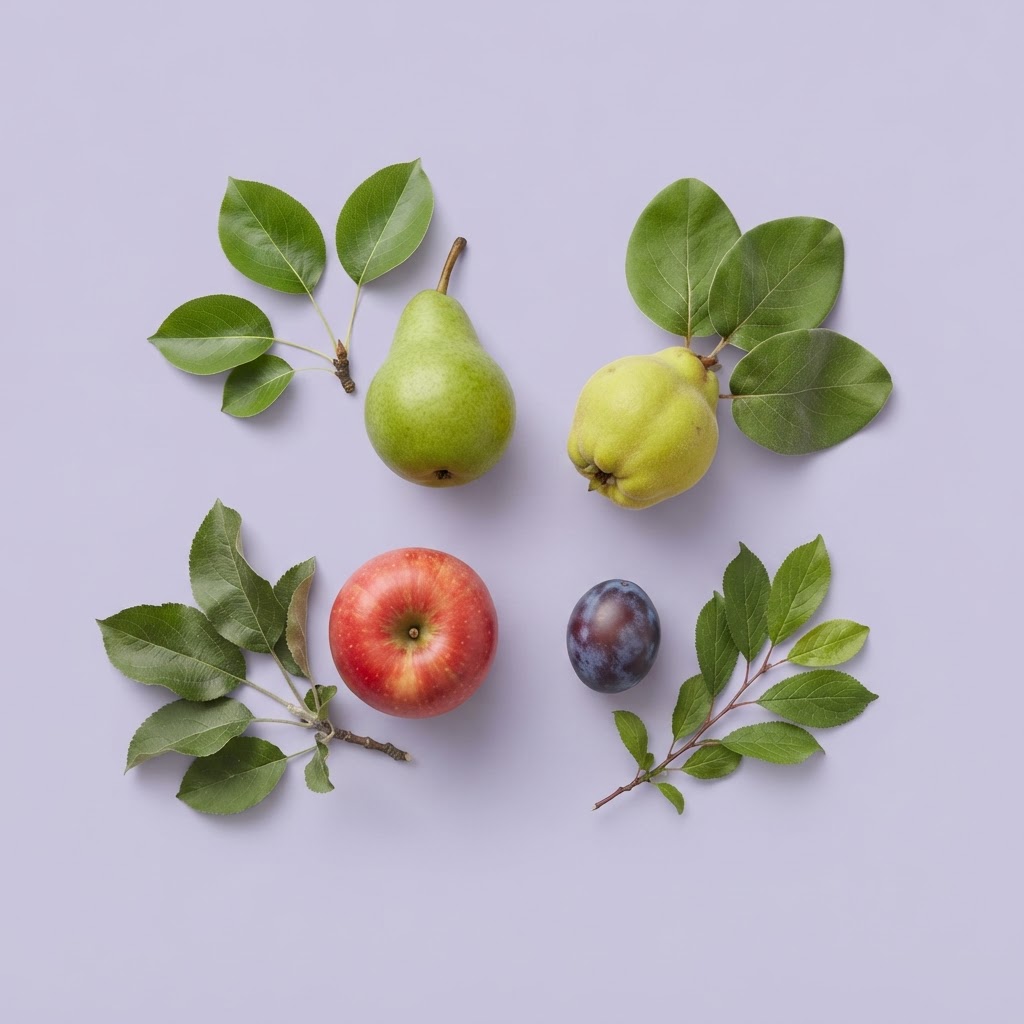
Pear Tree Leaves Identifier
Identify pear tree leaves by shape, edge, colour and the way they hang. Compare pear with apple, quince, plum and cherry leaves side by side, and read autumn colour.
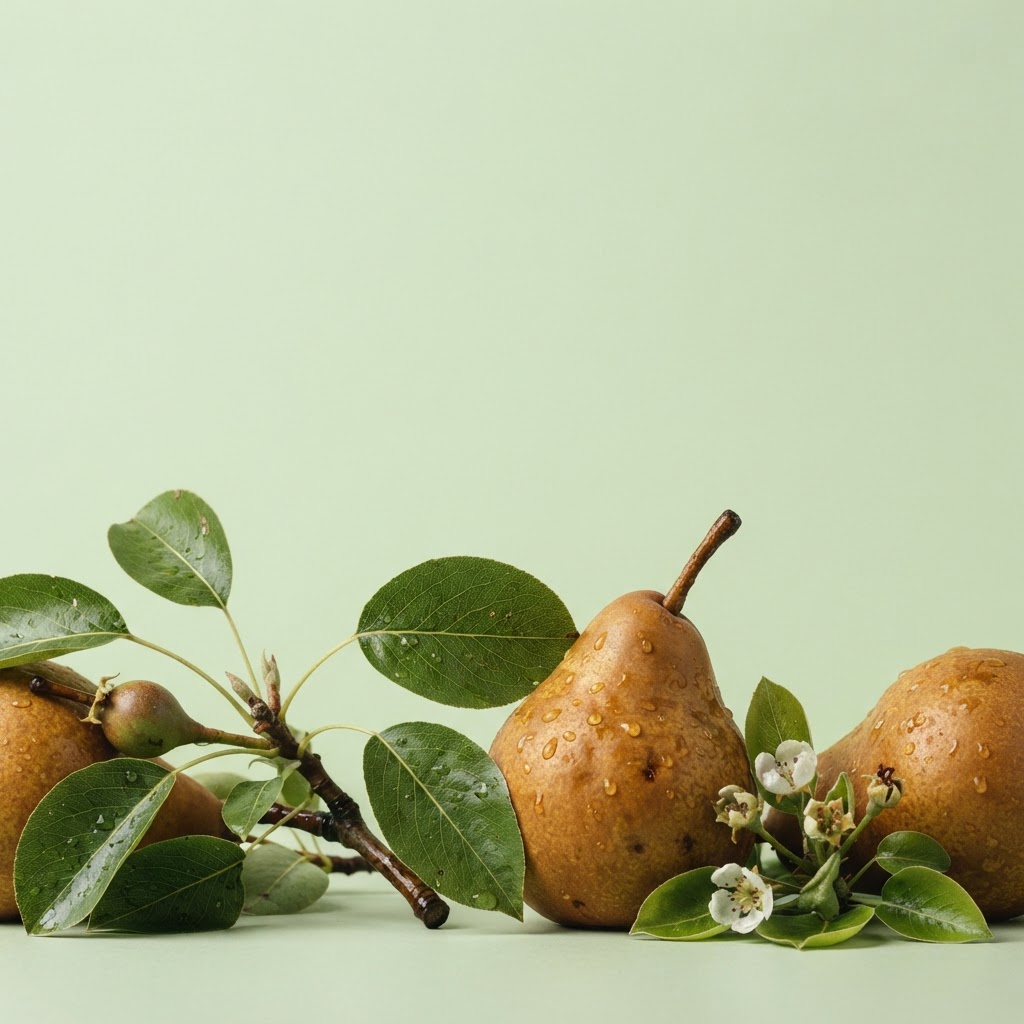
Pear Tree Identifier: Any Season
Identify a pear tree by bark, buds, blossom, leaves and fruit — in spring, summer, autumn or the bare months of winter. Includes the quince and wilding confusions.
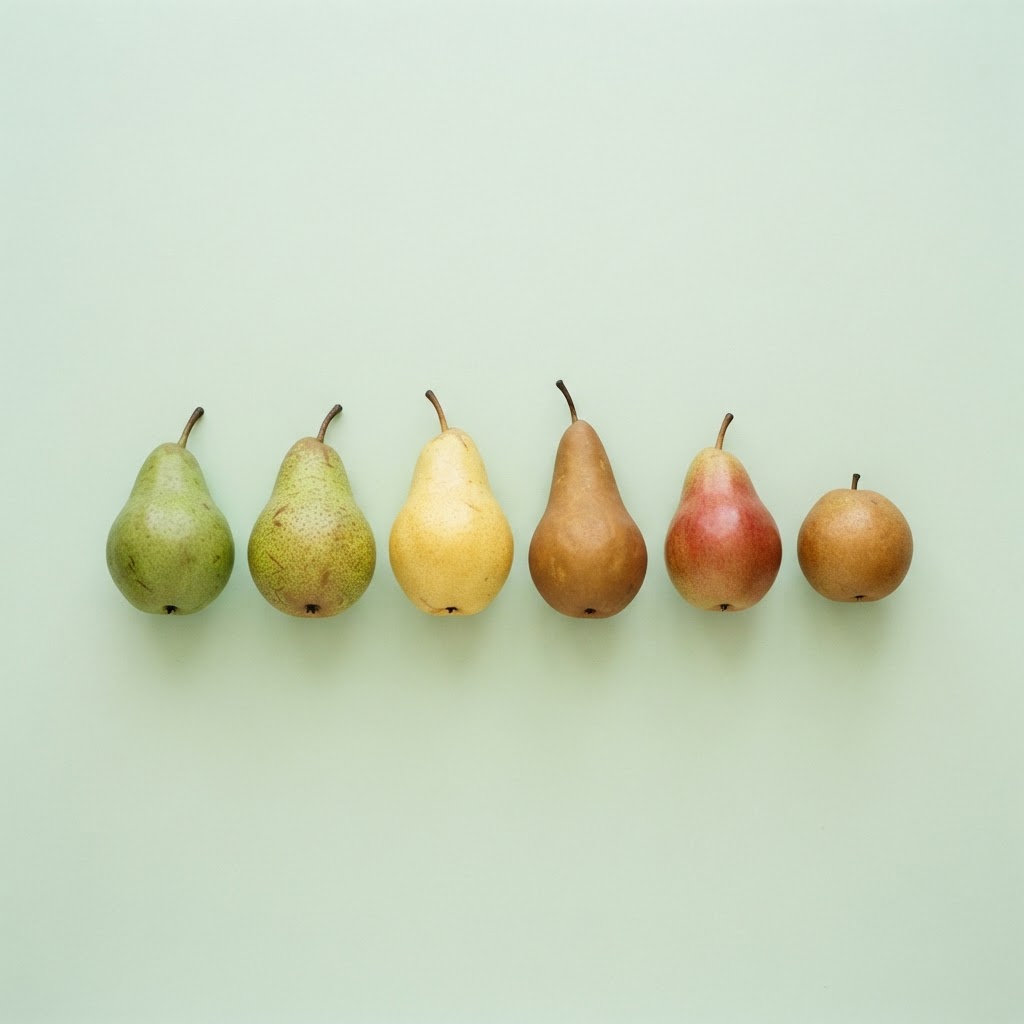
Pear Identifier: Match the Variety
Identify pear varieties by shape, skin colour, russeting, neck and grit — Packham, Williams, Beurré Bosc, Conference, Corella and more. Plus the ripeness test that actually works.
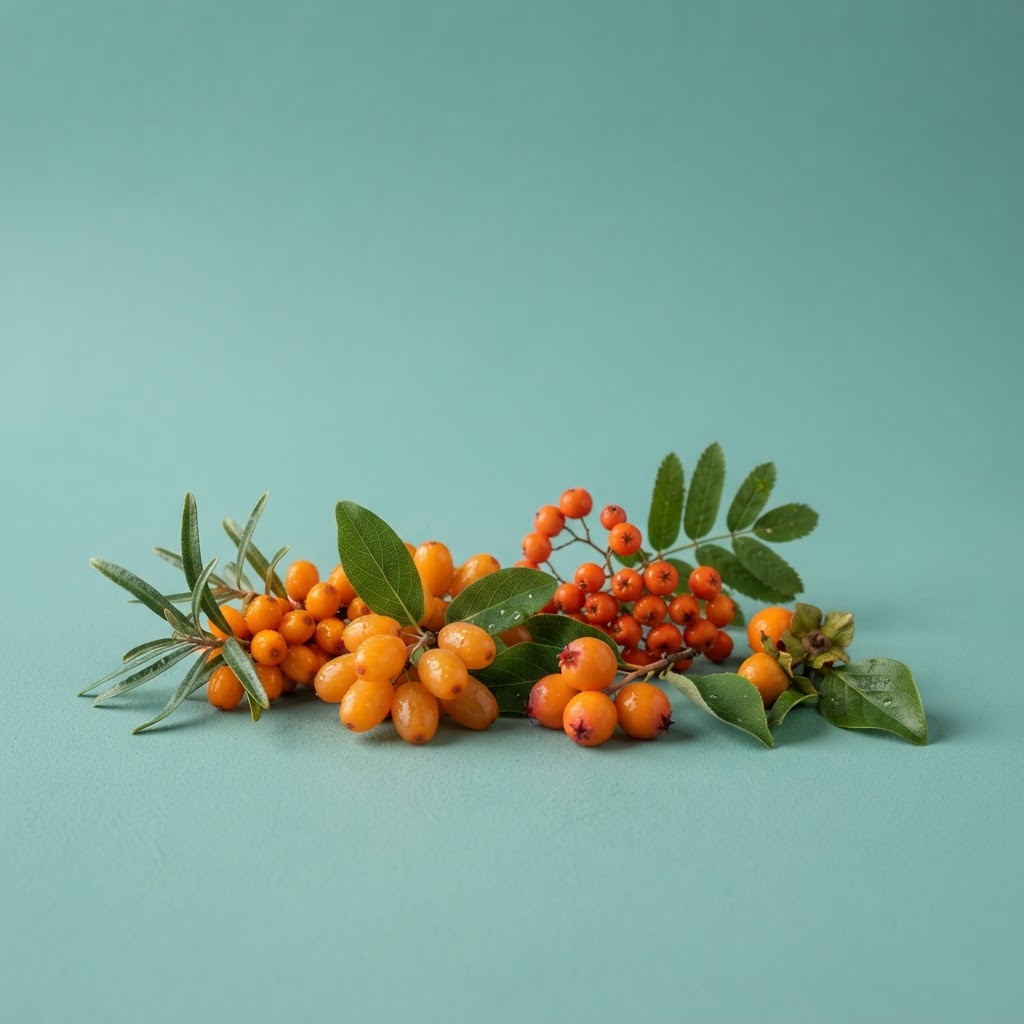
Orange Berry Bush Identifier
Identify a bush with orange berries — pyracantha, cotoneaster, sea buckthorn and the toxic nightshades — and know which ones to leave alone. A safety-first identification guide.
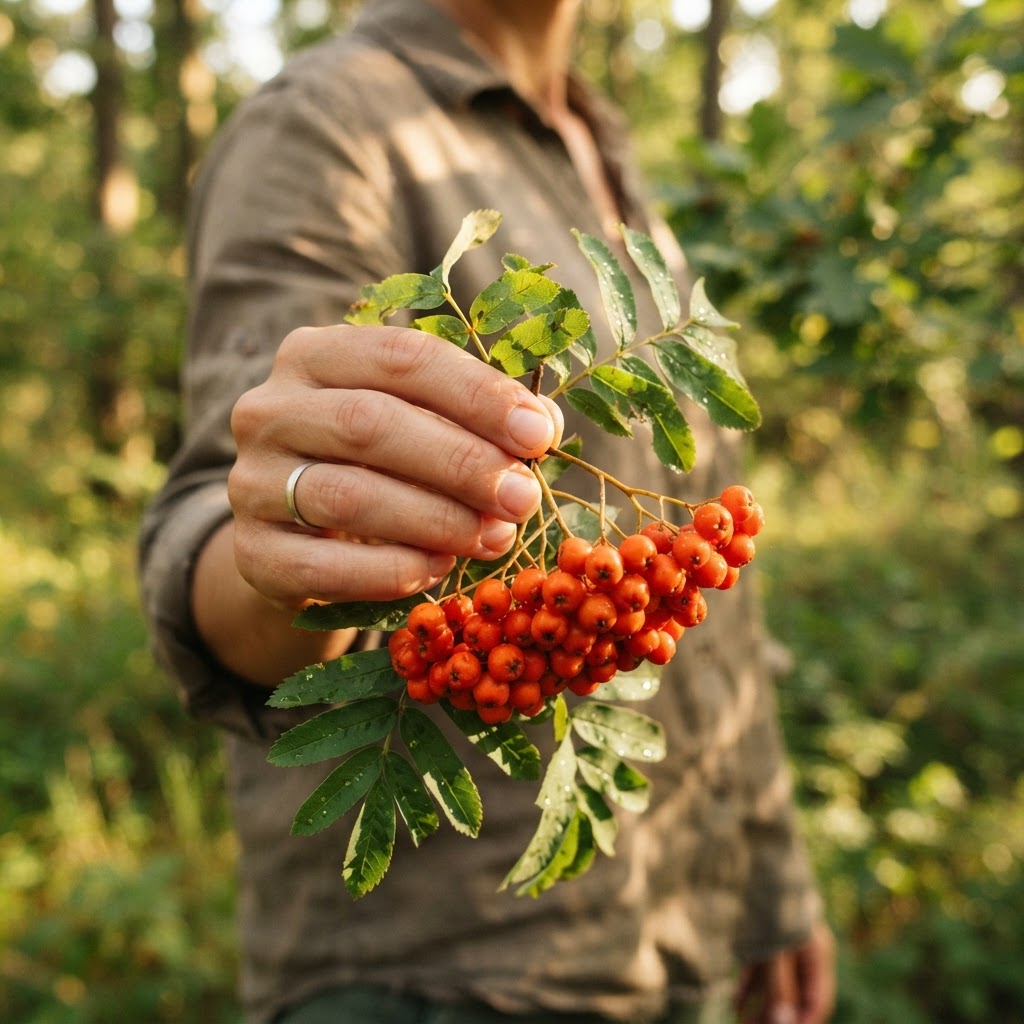
Tree With Orange Berries Identifier
Identify a tree or large shrub carrying orange berries — rowan, strawberry tree, sea buckthorn, cotoneaster and firethorn — by leaf, bark, berry shape and season.
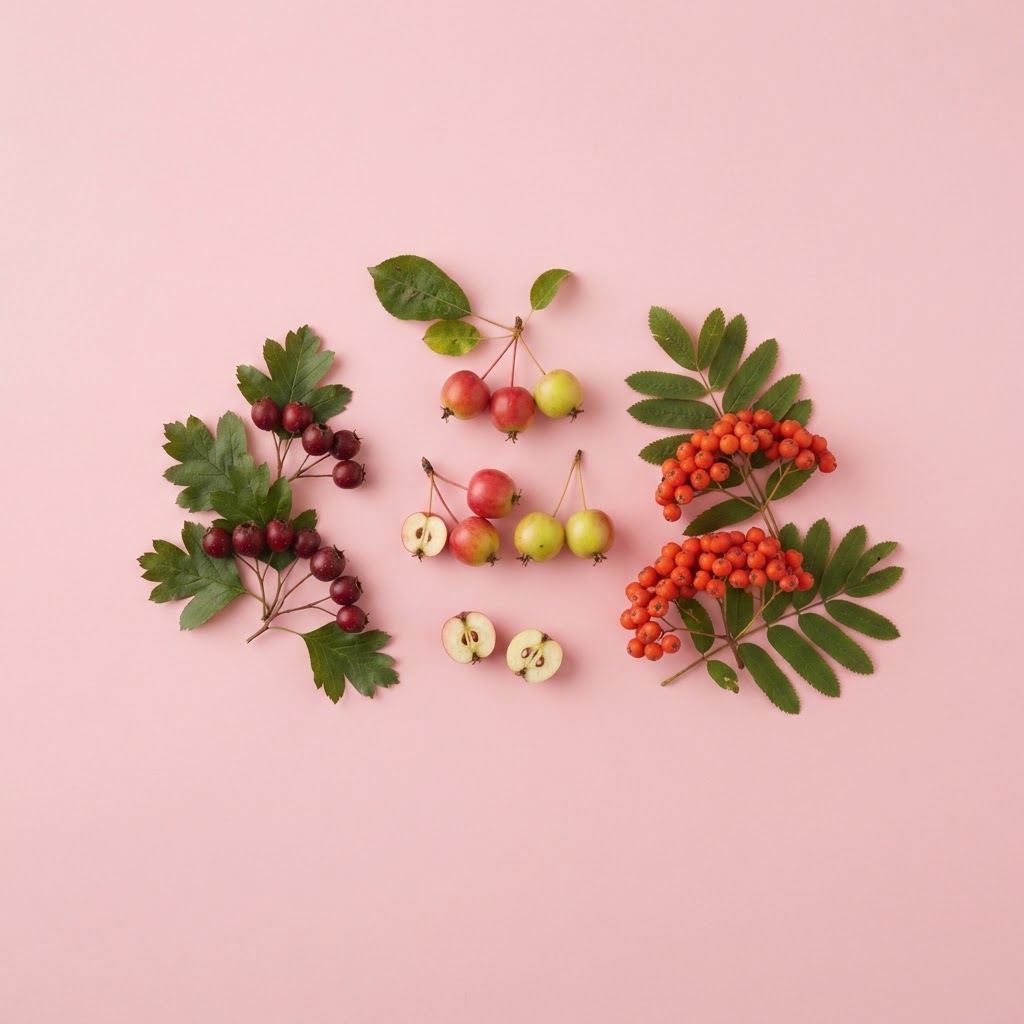
Crabapple Fruit Identifier
Identify crabapple fruit by size, colour, the calyx at the base and the seeds inside — and tell it apart from hawthorn, rowan and small apples. Plus which ones are worth eating.
Is It In Season? Fruit
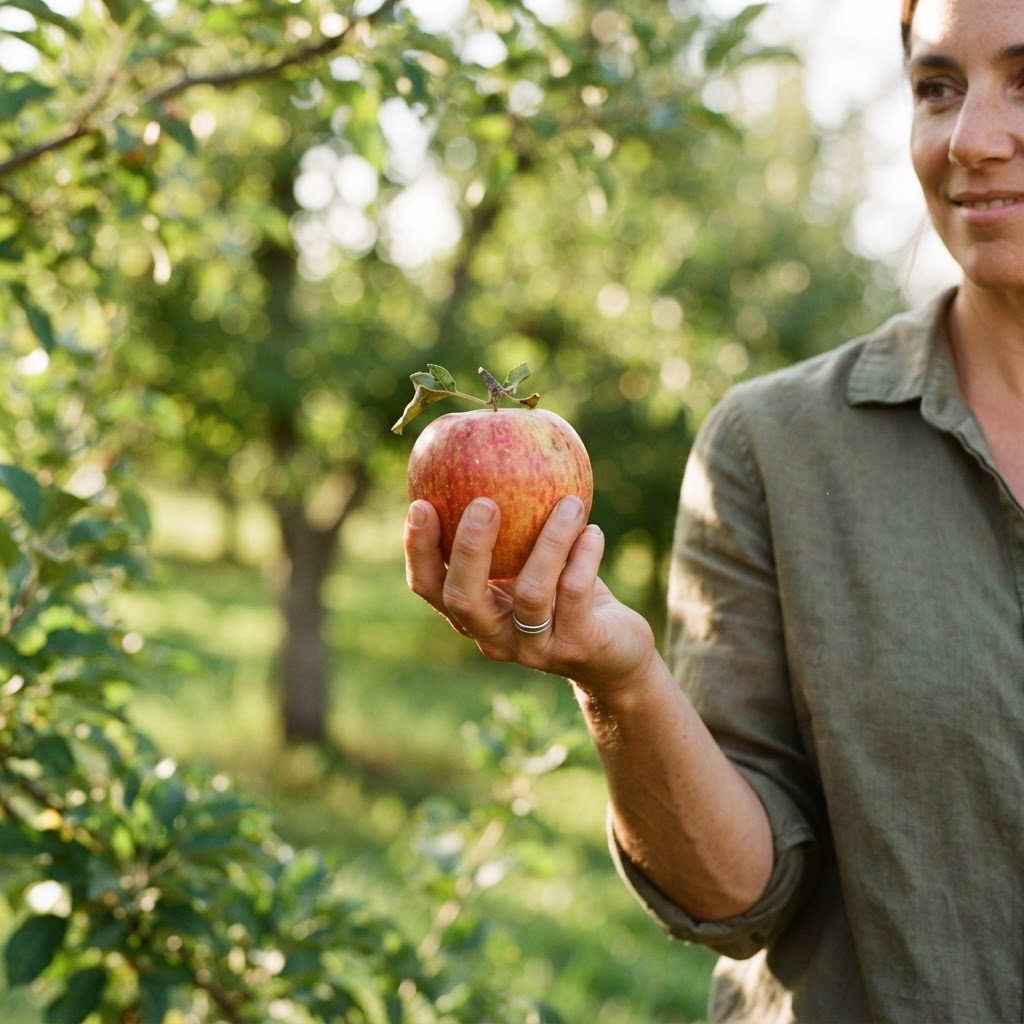
Which Apple Is the Sweetest? Every Major Variety Ranked
Fuji and Envy usually top the sweetness charts, but sugar is only half the story. Here is how the major apple varieties compare, and why a tart apple can taste sweeter than a sugary one.

Are Mangoes in Season?
When Australian mangoes peak and how to pick a ripe one. Monthly season guide covering Kensington Pride, R2E2, Calypso and honey gold varieties, plus storage and ripening tips.

Which Mango Is the Sweetest?
Kensington Pride vs R2E2 vs Calypso — which mango is actually the sweetest? Brix values ranked by variety. Honey Gold wins with 18% more sugar than average.
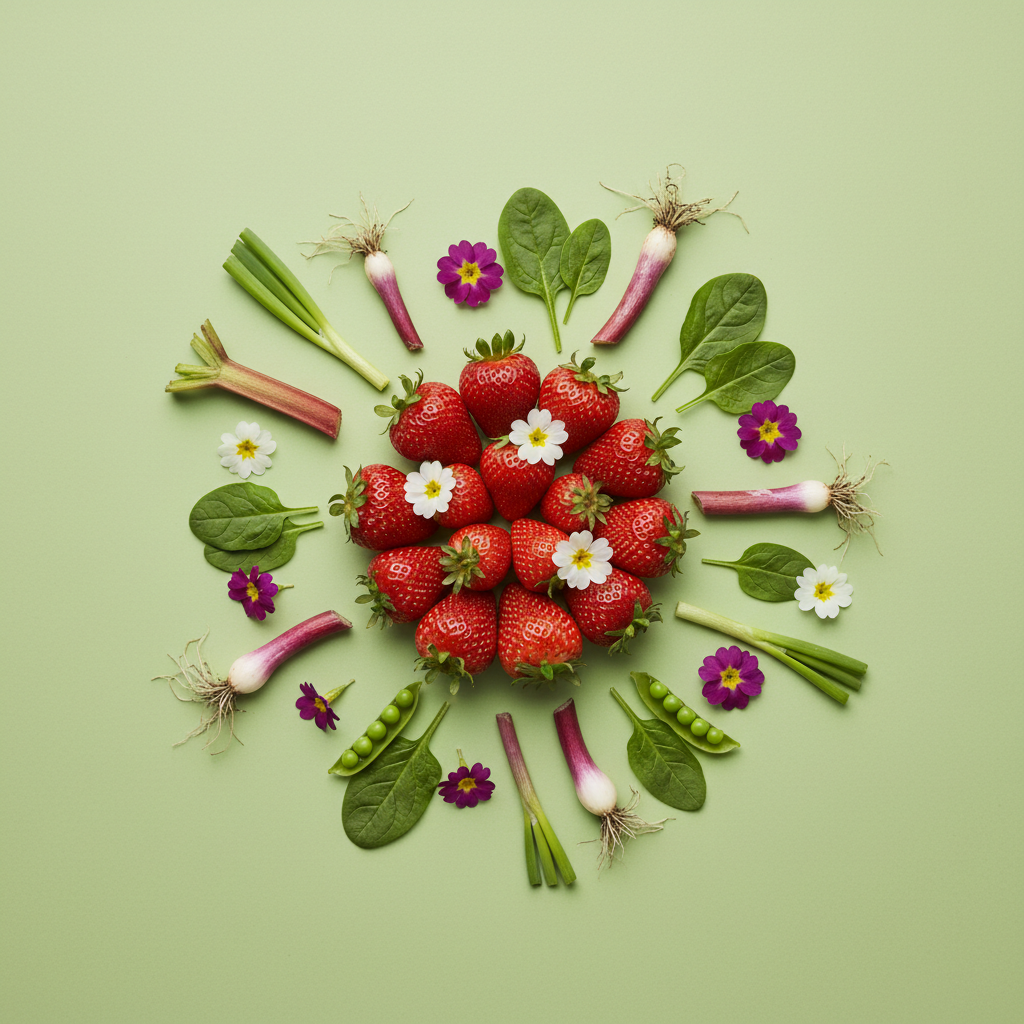
Are Strawberries in Season?
Peak strawberry months and how to pick the sweetest punnet. Learn the Australian strawberry season by state, how to store them to last longer, and why refrigerating them whole is a mistake.
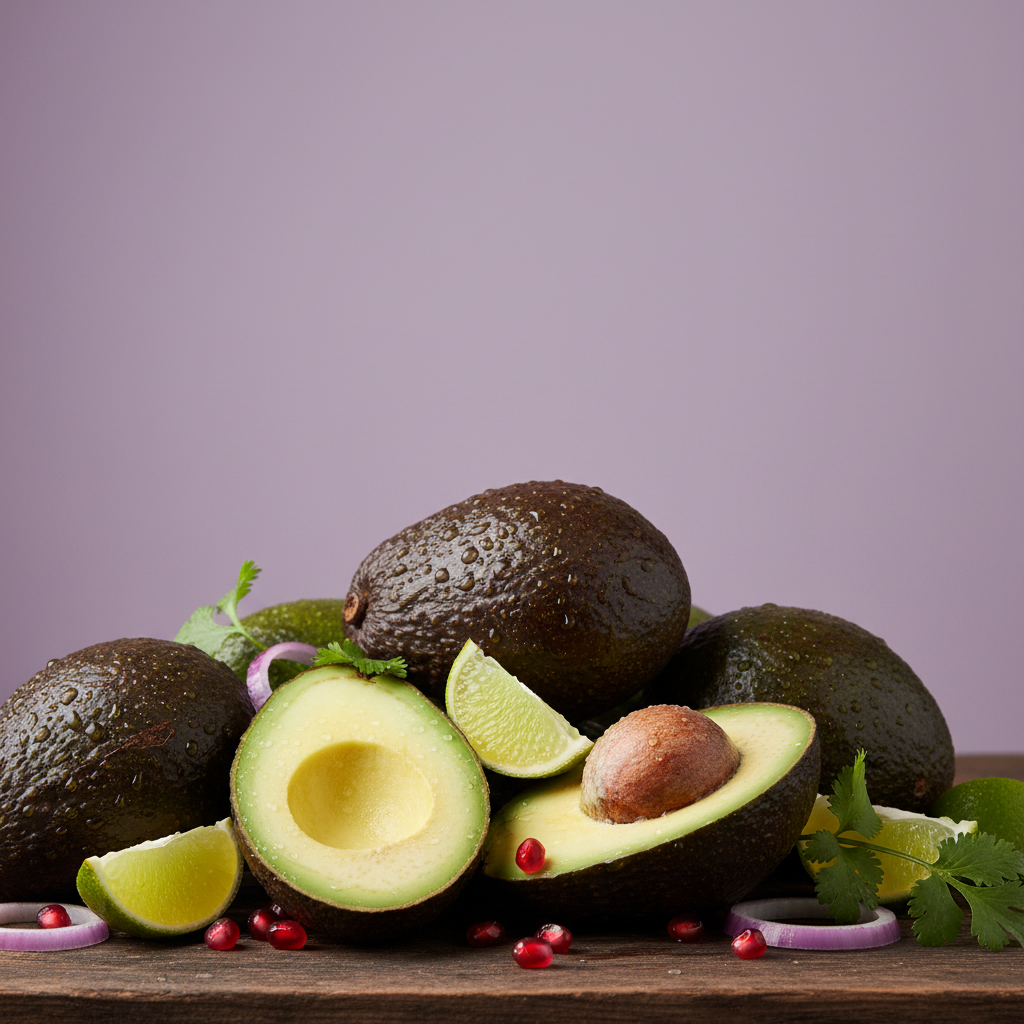
Are Avocados in Season?
Hass vs Shepard — which avocado is in season right now. A monthly guide to Australian avocado varieties, ripening tips and how to store cut avocados without them going brown.
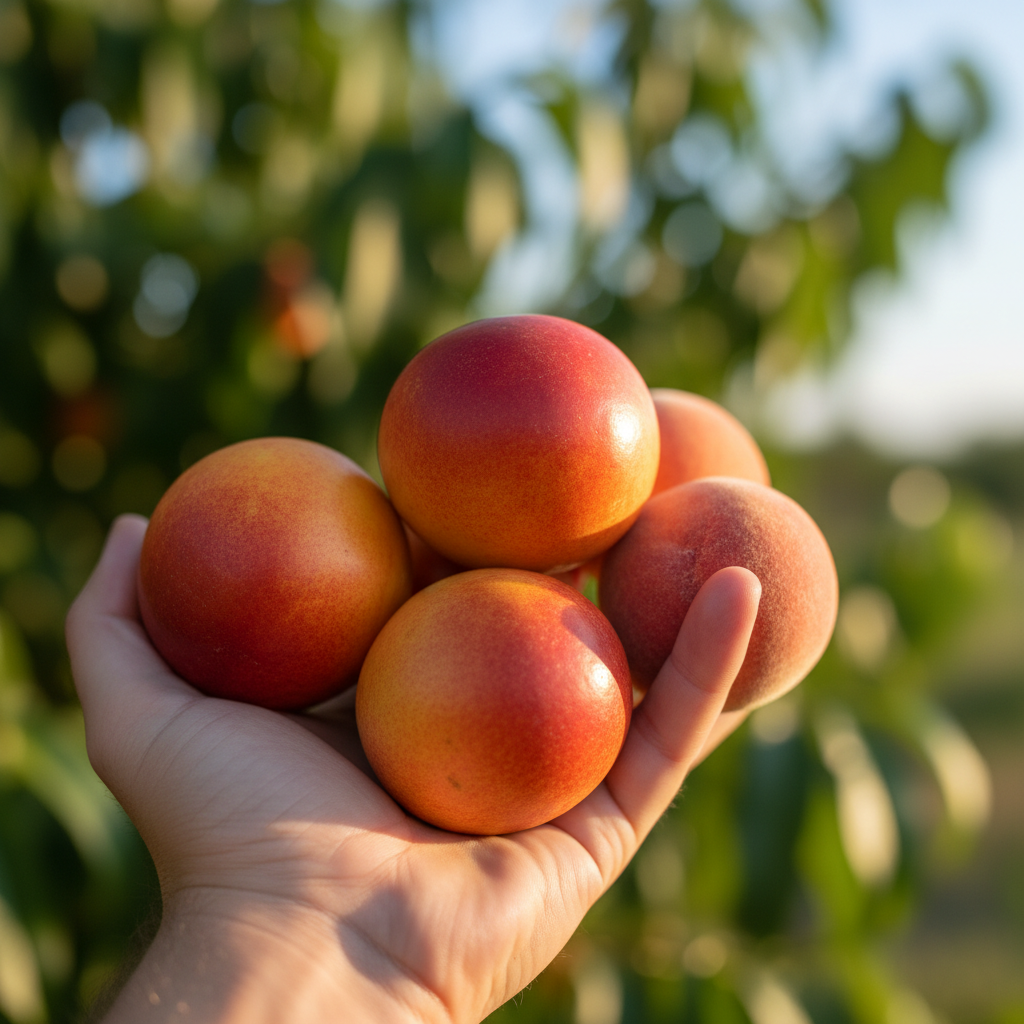
Are Nectarines in Season?
Monthly nectarine season guide for Australia. Learn when yellow and white-fleshed nectarines peak, how to tell if they are ripe, and why you should never refrigerate an unripe nectarine.
Shopping & Freshness

How to Tell If Vegetables Are Fresh (Complete Guide)
A practical guide to spotting truly fresh vegetables using sight, touch and smell. Covers every common vegetable with specific freshness indicators, from firmness to colour to aroma, so you never buy stale produce again.
7 min readVegetable Identifier: Know What You're Buying
A complete visual guide to identifying common vegetables and spotting freshness by sight. Never confuse parsley and coriander, or shallots and spring onions, with this comprehensive identification guide.
6 min read
What Fruit Is In Season
Seasonal fruit calendar by month for Australia. Knowing what is in season means better flavour, better nutrition, lower prices and smaller environmental impact. Here is your month-by-month guide to Australian fruit.
4 min read
Pantry Tracker App
Manage your kitchen inventory with ease — track what you have, what is expiring, and what you need to buy. A complete guide to using pantry tracking to reduce food waste and save money on groceries.
4 min readWhat Fruit Has the Longest Name?
Fascinating fruit name trivia and the stories behind them. From the Cherry of the Rio Grande to the Pitaya Dragonfruit, discover which fruit holds the record for the longest name with a daily rotating trivia feature.
4 min readFood Science & Safety
White Bumps on Tomato Stems: Are They Roots or a Problem?
Does anyone know what these lumps are? I planted a few tomato plants and this one is doing the best of all of them. A few days ago I spotted several bumps on the base of the stem. What's going on with my tomato? For a while now it has also been drooping in the daytime and perking back up at night. I check on it every day, about 800 times a day, and it has finally flowered and set fruit.
What Fruits Should or Should Not Be Stored In The Fridge
Last summer I bought a really nice bag of mangoes. Hot outside, got worried they’d go off, so straight in the fridge, no thinking about it. Three days later pulled them out, skin covered in black spots, cut one open and it smelled cold and raw somehow, flesh gone dark. Half the bag, bin. At the time I genuinely thought the mangoes were just bad quality. Took me a while to work out no, I did that to them myself.
Can Eating Too Many Grapes Make You Drunk?
Grapes contain sugar, not alcohol — fermentation needs yeast and a week without oxygen. Here is the arithmetic, why overripe grapes smell boozy, and the one rare condition that breaks the rule.
Why Do Oranges Turn Green Again?
A green orange on the tree is usually ripe, not unripe. Regreening puts new chlorophyll into the rind in warm weather — here is how to tell it from fruit that never ripened.
Why Does Kiwi Make Your Mouth Itchy?
Kiwi contains an enzyme that digests protein, and it cross-reacts with birch pollen. One cause fades in minutes, the other needs a doctor. Here is how to tell them apart.
Why Is My Pineapple Brown Inside?
Brown pineapple flesh is usually chilling injury or bruising — safe to trim and eat. Glassy flesh with an alcoholic smell is a different story. Diagnose it in four questions.
30 Plants a Week
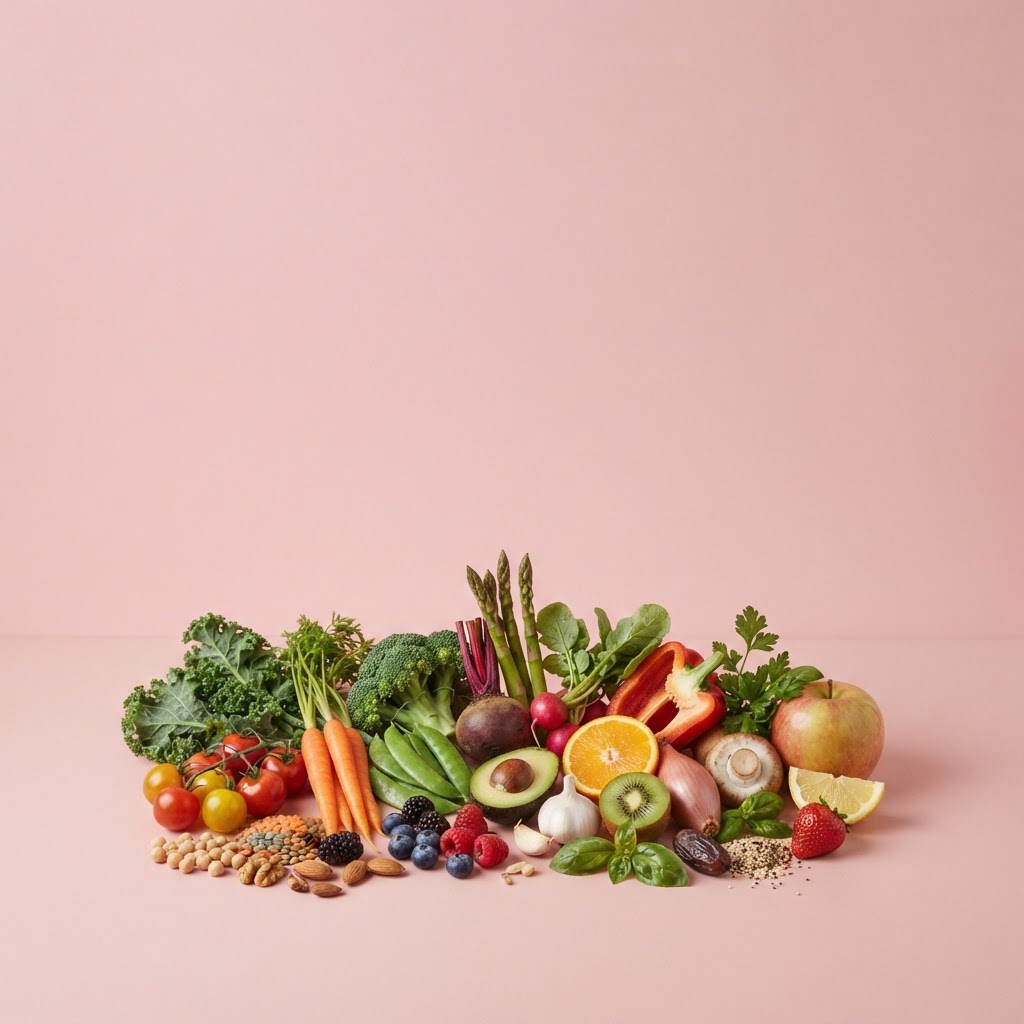
30 Plants a Week Tracker
A free 30 plants a week tracker that counts how many different fruits, vegetables, herbs, spices, nuts, seeds, legumes and grains you eat each week. Tap to add plants, watch your score climb to 30, and reset every Monday. No sign-up.

Plant Diversity Tracker App
A free plant diversity tracker app that counts how many different plants you eat each week. Tap plants across six categories, watch your diversity score climb to 30, and reset every Monday. No download.
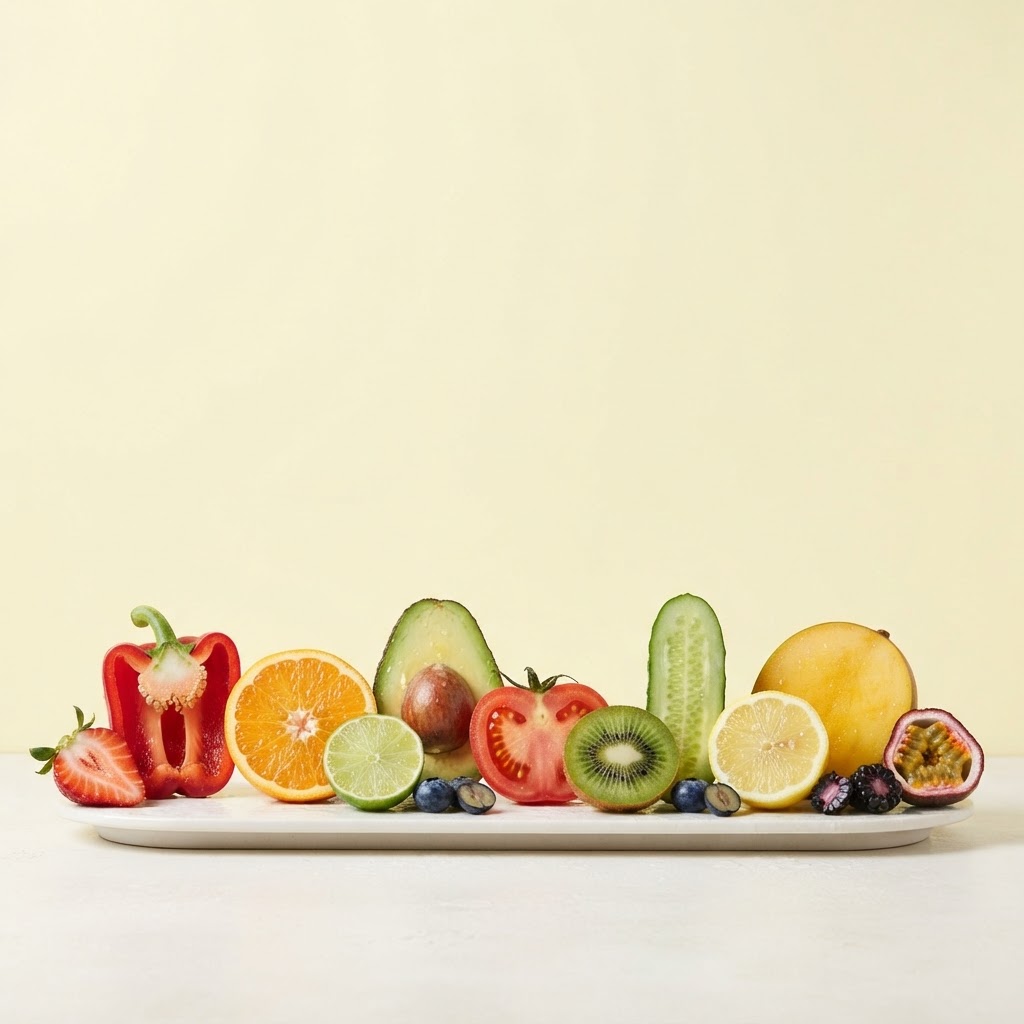
Fruit and Vegetable Variety Tracker
A free fruit and vegetable variety tracker that counts how many different plants you eat in a week. Tap to log plants, watch your variety score climb to 30, and reset every Monday. No sign-up.
30 Plants a Week Checklist
A free 30 plants a week checklist covering vegetables, fruit, herbs and spices, nuts, seeds, legumes and whole grains. Tick each plant you eat, watch your score climb to 30, and reset every Monday. No sign-up.
Smart Cooking



Microwave & Kitchen
Can I Microwave This? Search 100 Everyday Things
Type what you are holding: glass jars, takeaway bases, eggs, sponges, foil. Three answers only — yes, with care, or no — each with the reason why.
Can You Microwave Glass? It Depends on Three Things
Pyrex, plain glass, crystal and thin tumblers are four different materials with four different answers. Plus the one-minute test for any unmarked dish.
How to Microwave a Potato (Times That Actually Work)
A medium potato takes 4-5 minutes at 800W and three minutes resting. Times by size and wattage, and why pricking is not optional.
Can Hot Dogs Be Microwaved? Yes — 40 Seconds for Two
Two from the fridge take 40 seconds, frozen ones two minutes. Split the skin first or they burst, leaving the ends dry and the middle cold.
How Long to Microwave Corn on the Cob (Husk On)
Three to four minutes a cob in the husk, and the silk slides off with the leaves. No pot, no rolling boil, no picking strands out afterwards.
How Long to Microwave Corn (Kernels, Not Cobs)
Frozen, canned and fresh-cut kernels behave differently. About two minutes a cup, covered, stirred at halfway — or half the bowl stays cold.
Video Recipes & Meal Planning

How to Organise Recipes Across YouTube, TikTok and Instagram
YouTube, TikTok and Instagram folders cannot be merged — but they do not need to be. Here is how to consolidate your recipes by food instead of by app.

How to Stop Losing Recipes You Saved on Social Media
Saved recipes vanish because you cannot search them and the originals get deleted. Here is the one habit that stops it, and how to know which saves are worth converting.

How to Cook From a Video Without Touching Your Phone
Picking up your phone with wet or raw-meat hands forty times per meal is the real problem with cooking from videos. Here is the fix, and why it makes you a better cook.

How to Save Recipes From Videos With No Written Ingredients
Plenty of cooking videos never state a quantity. Here is how to estimate amounts from what you see, watch for ratios instead, and write your own version that works.

How to Save Quick Dinner Videos as a Busy Parent
The 5pm problem is a decision problem, not a cooking one. Here is how to filter by real cook time, build a weeknight shortlist, and make dinner a decision you have already made.

How to Keep Air Fryer and Instant Pot Video Recipes Handy
Air fryer and pressure cooker recipes live or die on two numbers videos handle worst: temperature and time. Here is the template that makes them usable.

A Beginner's Guide to Cooking From Video Recipes
A beginner's guide to learning from cooking videos: which videos to pick, how to prepare, and the first five dishes that teach you the most.

Meal Prepping From Social Media Videos
A dish that looks great in a video often behaves badly in a container on Wednesday. Here is how to pick recipes that survive storage and batch-cook four components at once.

How to Clean Up Recipe Screenshots and Saved Links
Everyone has forty screenshots of recipes they never cooked. Here is a fifteen-minute audit to clear them, convert the useful ones, and stop the pile refilling.

How to Customise a Video Recipe for Your Diet
Some ingredient swaps are invisible, some change the dish, and some break the recipe entirely. Here is which is which, and how to adapt a video recipe for your diet.

Common Mistakes When Cooking From a Video
Most disappointing attempts at a video recipe trace back to one of nine predictable mistakes. Here they are, and how to avoid each one.

How to Take Notes on a Video Recipe Without Pausing Every 5 Seconds
Pausing to write notes while a video plays is why you never finish. Here is the three-pass method, plus the timestamp trick that removes most of the writing entirely.
Menu & Food Scanners
Menu Scanner App: Understand Every Dish Before You Order
Photograph any restaurant menu and get each dish explained in plain English — what is in it, how hot it is, and what to avoid.
Restaurant Menu Scanner App: Turn a Menu Into an Order
Scan a menu and get it sorted into courses with a clear order plan for your table — what to order, what is fine and what to skip.
Camera Menu Translator: Read Any Menu in English
Point your camera at a foreign menu and get every dish in English, in its original script, with what actually arrives on the plate.
Scan a Menu for Hidden Ingredients
Find what the description leaves out — anchovy in the Caesar, fish sauce in the curry, pork fat in the pastry — plus the question to ask.
Menu Visualizer: Turn a List of Dishes Into a Real Menu
Paste your dishes and get them laid out as a proper menu with sections, short honest descriptions and dietary markers.
App to Scan Products for Harmful Ingredients
Paste an ingredient list and see which ingredients are worth avoiding, what each one is, and why it is flagged — with no made-up health scores.
PickFresh App
Scan produce for freshness.
Get recipes for your goals.
PickFresh uses AI to score freshness instantly. Free to download.
Get Started Free →