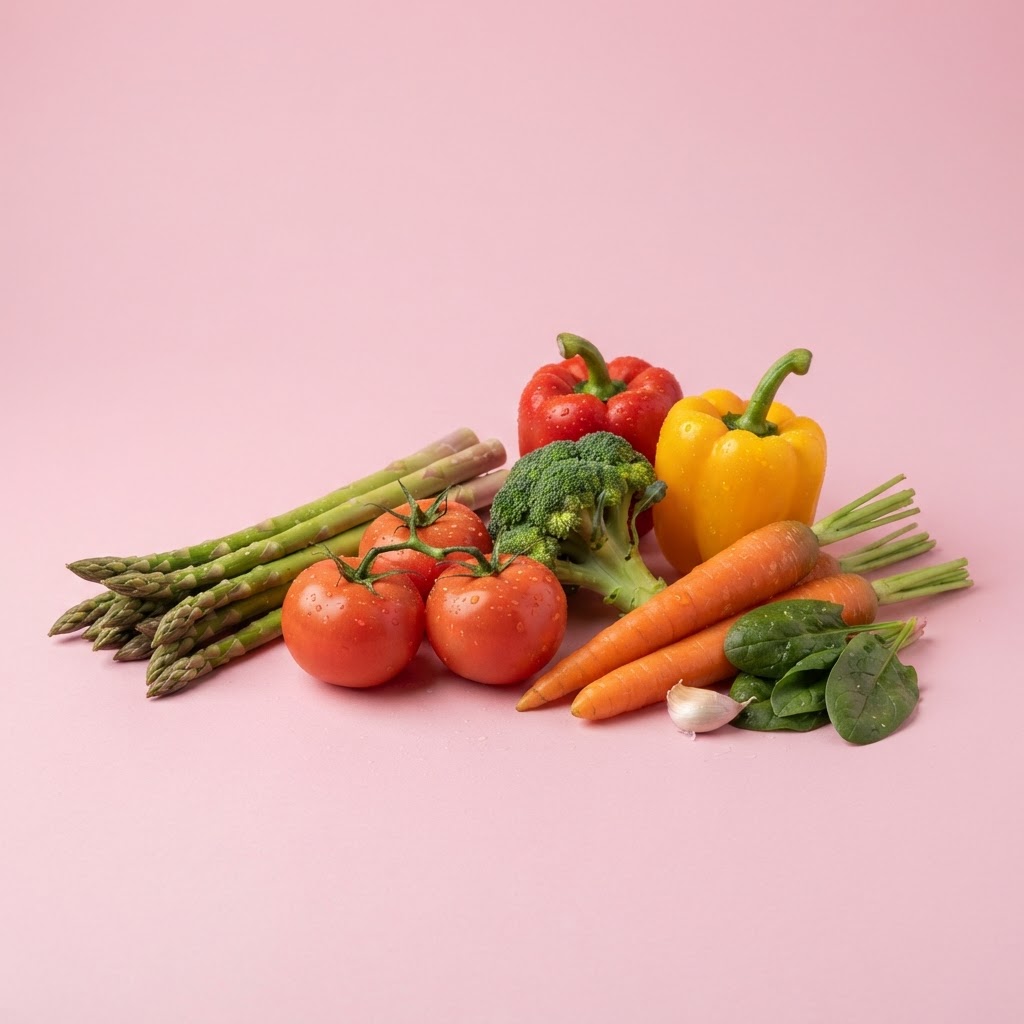
The "What's in My Fridge?" Problem
You open the fridge, stare at a half-used capsicum, some leftover rice, a wilting bunch of spinach, and a mystery container from Tuesday. The door closes. You order takeaway. Sound familiar? You're not alone — research from the Fight Food Waste Cooperative Research Centre found that the average Australian household throws away roughly $2,000–$3,800 worth of food each year, and "not knowing what to cook with what I have" is one of the top three reasons.
The problem isn't a lack of recipes. The internet has millions. The problem is the gap between what's in your fridge and the recipe you're trying to follow — most recipes assume you have a specific, complete shopping list. When you're working with random leftovers, a standard recipe is often useless. What you need is the reverse: start with the ingredients, then generate the recipe.
Why Cooking From What You Have Works
Cooking from your fridge rather than a recipe isn't just about reducing waste — it's a genuinely better way to eat. When you build a meal around what you already have, you:
- Save money immediately. Every ingredient you use from the fridge is one you don't buy. The Harvard T.H. Chan School of Public Health notes that meal planning around existing ingredients can cut grocery spending by 25% or more.
- Reduce food waste. WRAP, the UK's waste-reduction charity, reports that planning meals around existing ingredients is the single most effective household food-waste reduction strategy. See our guide on how to reduce food waste for more.
- Eat more variety. When you follow the same rotation of recipes, you eat the same vegetables. Cooking from what's in the fridge forces creativity and a wider nutrient range.
- Cook faster. No trip to the shops, no waiting for a delivery. You're cooking within minutes of deciding.
The Traditional Approach: Fridge Inventory + Manual Recipe Search
The old-school method goes like this: open the fridge, write down every ingredient on a notepad, then type those ingredients into Google or a recipe site like AllRecipes or SuperCook. These sites let you enter ingredients and filter recipes that match. It works, but it's tedious — you're manually transcribing 10–15 items, and the recipe suggestions often require one or two ingredients you don't have, which defeats the purpose.
The manual approach also breaks down when your fridge has partial items — half a lemon, a splash of cream, three olives. Recipe search engines aren't great at handling "I have a tiny bit of this." You end up either ignoring usable ingredients or adding things to your shopping list that you don't really need.
The Modern Approach: Photo-Based Recipe Generation
This is where things have changed dramatically. Instead of manually listing ingredients, you can now take a single photo of your fridge or countertop, and AI identifies every visible item — then generates recipes using only what's there. No typing, no guessing, no partial ingredient confusion.
The PickFresh Fridge Scan tool does exactly this. Open your fridge, take one photo, and the app:
- Identifies every visible food item (including partial items and leftovers)
- Generates 2–4 step-by-step recipes using only what's in the frame
- Suggests 1–2 staple items you could add to unlock even more dishes
Try the Fridge Scan tool now → — it's free and takes about 10 seconds from photo to recipe.
How to Think About Fridge Cooking (Without Any App)
Even without a tool, you can train yourself to cook from what's in the fridge. The key is to stop thinking in recipes and start thinking in flavour templates — basic formulas that work with almost any combination of ingredients:
The Stir-Fry Template
Any protein + any 2–4 vegetables + garlic + soy sauce + oil = a stir-fry. Cut everything into similar-sized pieces, cook the protein first, remove it, cook the vegetables hard and fast, return the protein, add sauce. Done in 15 minutes. This approach is the backbone of healthy Chinese home cooking.
The Soup Template
Onion + any vegetables + stock (or water + a stock cube) = soup. Sauté the onion, add harder vegetables first, softer ones later, cover with liquid, simmer 20 minutes, blend if you want. See our guide on reducing food waste for more soup-based waste-reduction strategies.
The Pasta Template
Any vegetable + any protein (optional) + garlic + olive oil + pasta = dinner. Sauté garlic in oil, add your vegetables, cook the pasta, toss together. This is how Italians actually cook — research published in the International Journal of Gastronomy and Food Science documents how traditional Italian cuisine is built around ingredient flexibility, not fixed recipes.
The Grain Bowl Template
Any grain (rice, quinoa, couscous) + any protein + any raw or cooked vegetables + a sauce (yoghurt, tahini, soy, vinaigrette) = a bowl. This is one of the most waste-efficient meals because it accommodates small quantities of many ingredients.
The Missing-Ingredient Strategy
One of the most useful things a photo-based tool can do is tell you what you're missing. Maybe you have eggs, cheese, and spinach — that's a frittata. But if you had one potato, you could make a Spanish tortilla. If you had flour, you could make a quiche. The difference between "I can make one dish" and "I can make five dishes" is often just one or two staples.
The PickFresh Fridge Scan specifically identifies these missing staples and tells you exactly what dishes they'd unlock. This turns "I have nothing to cook" into "I have three options, and adding one thing from the shop gives me two more."
Common Fridge Scenarios and What to Do With Them
Half a Roast Chicken + Random Vegetables
Shred the chicken. Stir-fry or make fried rice. If you have tortillas, make tacos or quesadillas. If you have pasta, make chicken pasta. See our guide to cooking with chicken, rice, and whatever veg you have.
Wilting Vegetables
Wilting doesn't mean spoiled. If a vegetable is limp but not slimy or mouldy, it's perfect for soup, stir-fry, or roasting. Heat restores texture. Check our guide to using up random leftover vegetables for specific vegetables and methods.
Leftover Rice
Cold leftover rice is the best fried-rice starting point. Day-old rice has less moisture, which means it fries instead of steaming. Add any protein, any vegetables, soy sauce, and you have a meal in 10 minutes.
Random Dairy (Yoghurt, Cream, Cheese)
Yoghurt thins into a sauce for grain bowls or a marinade for chicken. Cream enriches any pasta sauce or soup. Cheese goes on almost anything hot. Don't throw out small amounts — they're usually the "missing ingredient" that ties a dish together.
Food Safety: What's Still Safe to Cook With
Before cooking from your fridge, know the difference between "past peak" and "unsafe." The Food Standards Australia New Zealand (FSANZ) guidelines are clear:
- Use-by dates are safety deadlines. Do not eat food past its use-by date.
- Best-before dates are quality guidelines. Food can be safe after this date but may have lost flavour or texture.
- Vegetables that are limp, slightly wrinkled, or have soft spots are usually fine to cook with. Vegetables with mould, slime, or a rotten smell are not.
- Leftover cooked food should be eaten within 3–4 days if stored at or below 4°C.
For a detailed freshness reference, see our guide on how to tell if vegetables are fresh.
Try It Right Now
Stop reading and go open your fridge. Take a photo. The PickFresh Fridge Scan will identify everything in it, generate 2–4 recipes you can make right now, and tell you what 1–2 staples would unlock even more dishes. No recipe needed — just a photo.
If you're planning a full Sunday fridge clean-out or want to learn how to cook without a recipe entirely, we have dedicated guides for both.
Frequently Asked Questions
Take a photo of your fridge contents with the PickFresh Fridge Scan tool. It identifies every visible item and generates 2–4 step-by-step recipes using only what you have — no typing required.