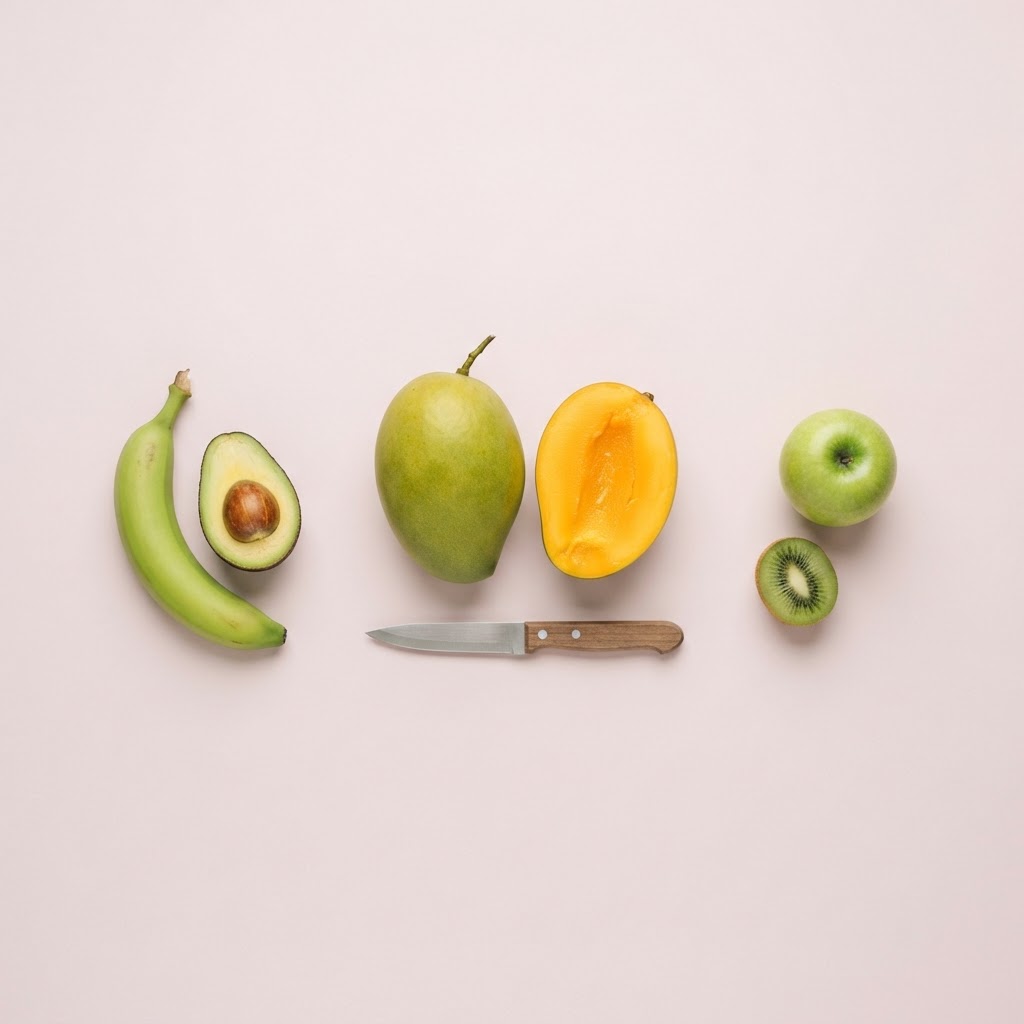

No, a mango will not ripen after it's been cut. Once you cut into a mango, the ripening process effectively stops. This is because ripening in mangoes — as in many fruits — is driven by a gaseous plant hormone called ethylene, and the cells that produce and respond to ethylene are disrupted when the fruit is cut open. Without the intact cellular structure needed to produce and transport ethylene, the mango cannot continue to convert starches into sugars.
Quick Answer
A cut mango will not ripen further. The ripening process depends on the intact fruit producing ethylene gas and converting starches to sugars — both of which require the fruit's cells to be connected and functioning. Once you cut the mango, those processes stop. However, there are some things you can do to make an underripe cut mango softer and more palatable, which we'll cover below.
Why Doesn't a Mango Ripen After Cutting?
To understand why a cut mango won't ripen, it helps to understand how ripening works in the first place. According to research from the National Library of Medicine, mango ripening is a complex biochemical process that involves:
- Ethylene production: The mango fruit produces ethylene gas, which triggers the ripening cascade.
- Starch conversion: Enzymes break down stored starches into simple sugars (glucose, fructose, sucrose).
- Cell wall softening: Enzymes called pectinases and cellulases break down the cell walls, softening the flesh.
- Colour change: Chlorophyll breaks down, revealing the yellow, orange, or red pigments underneath.
- Aroma development: Volatile compounds are produced that give the ripe mango its characteristic fragrance.
All of these processes require the fruit's cells to be intact and connected. When you cut a mango, you sever those connections. The cells at the cut surface are damaged and can no longer produce or transport ethylene effectively. Without ethylene signalling, the ripening cascade stalls.
Additionally, cutting the fruit exposes the flesh to oxygen, which triggers oxidation — the same browning reaction that affects avocados and apples (see our guide on why avocados go brown after cutting). This browning is separate from ripening and doesn't make the fruit sweeter.
What Happens to a Cut Mango Over Time?
While a cut mango won't ripen, it does change over time:
| Time After Cutting | What Happens |
|---|---|
| 0–2 hours | Flesh is firm and may brown slightly at the surface |
| 2–6 hours (room temp) | Surface browning increases; flesh may soften slightly due to enzymatic breakdown |
| 6–24 hours (fridge) | Browning continues slowly; texture may become slightly softer but not sweeter |
| 24–48 hours (fridge) | Flesh begins to break down; quality declines; risk of bacterial growth |
| 48+ hours | Should be discarded — spoilage risk is high |
How to Soften an Underripe Cut Mango
If you've accidentally cut into a mango that's not quite ripe, you can't make it ripen — but you can make it more palatable:
1. Microwave Briefly
Heating the mango pieces for 10–15 seconds in the microwave can soften the cell walls slightly and make the flesh less firm. Don't overdo it — too much heat will cook the mango and change its flavour. This won't add sweetness, but it will improve the texture.
2. Blend into a Smoothie
Underripe mango is actually excellent in smoothies because its firmer texture and tart flavour provide a nice contrast to sweeter ingredients. Blend it with banana, yoghurt, and a little honey for a delicious smoothie. The blending breaks down the fibres that would otherwise be tough to chew.
3. Cook It
Underripe mango is a key ingredient in many cuisines. In Thai cooking, green (unripe) mango is used in salads like som tam and in curries. In Indian cuisine, raw mango is used in chutneys, pickles, and dal. Cooking softens the fibres and the tartness of the unripe fruit adds a bright, acidic note to savoury dishes.
4. Pair with Sweeter Ingredients
If you want to eat the mango raw but it's not sweet enough, pair it with sweeter fruits or a drizzle of honey. The contrast can mask the tartness. A squeeze of lime juice also helps balance the flavour.
5. Make Mango Salsa
Dice the underripe mango finely and combine with red onion, coriander, lime juice, and chilli. The firm texture of underripe mango actually works well in salsa because it holds its shape and provides a satisfying crunch.
How to Tell if a Mango Is Ripe Before Cutting
The best strategy is to avoid cutting an unripe mango in the first place. Here's how to tell if a mango is ripe:
- Touch: A ripe mango yields slightly to gentle pressure, similar to a ripe peach or avocado. If it's rock-hard, it's not ripe. If it's very soft or mushy, it's overripe.
- Smell: Ripe mangoes have a sweet, fruity fragrance, particularly at the stem end. No smell means it's probably not ripe yet.
- Skin colour: This varies by variety. For most common varieties (like Kensington Pride or R2E2 in Australia), the skin transitions from green to yellow-orange-red as it ripens. However, colour alone isn't a reliable indicator — some varieties stay green even when ripe.
- Weight: A ripe mango feels heavy for its size, indicating high juice content.
For more on mango varieties, see our guide on which mango is the sweetest, and to find out when they're in season, check are mangoes in season.
How to Ripen an Uncut Mango
If your mango is still whole and unripe, you can ripen it. The key is ethylene. Here are the best methods:
The Paper Bag Method
Place the mango in a paper bag with a banana or apple. Both bananas and apples produce ethylene gas, and the paper bag traps the gas around the mango, accelerating ripening. Check daily — a mango can ripen in 1–3 days using this method.
The Rice Method
In many Asian households, unripe mangoes (and other fruits) are buried in a container of uncooked rice. The rice traps the ethylene gas the mango naturally produces, speeding up the ripening process. This typically works in 1–2 days.
Room Temperature
Simply leaving the mango at room temperature will allow it to ripen naturally, though it takes longer (3–8 days depending on how unripe it is). Once ripe, you can refrigerate it to slow further ripening — see our guide on whether mango ripens in the fridge.
For a deeper dive on this topic, see our related guide: does mango turn brown after being cut.
Can You Freeze a Cut Mango?
Yes — if you've cut a mango and can't eat it all, freezing is an excellent option. Frozen mango pieces are great for smoothies and can last 3–6 months in the freezer. To freeze, cut the mango into cubes, spread them on a tray lined with baking paper, freeze until solid, then transfer to a freezer bag or container. See our guide on whether mango can be frozen for more details.
Use PickFresh to Check Your Mango
Before you cut your mango, use PickFresh's AI freshness scanner to check its ripeness. Just point your camera at the fruit and get an instant score. And if you've already cut it and it's not ripe enough, use our Fridge Scan tool to find recipes that work with underripe mango.
Frequently Asked Questions
No. Once cut, a mango stops ripening. The ripening process requires intact cells to produce ethylene gas and convert starches to sugars, and cutting disrupts these processes. The mango may soften slightly due to enzymatic breakdown, but it won't become sweeter.
Freshness Checker
Type any produce to get freshness tips instantly
Powered by PickFresh AI · Scan real produce with your camera →