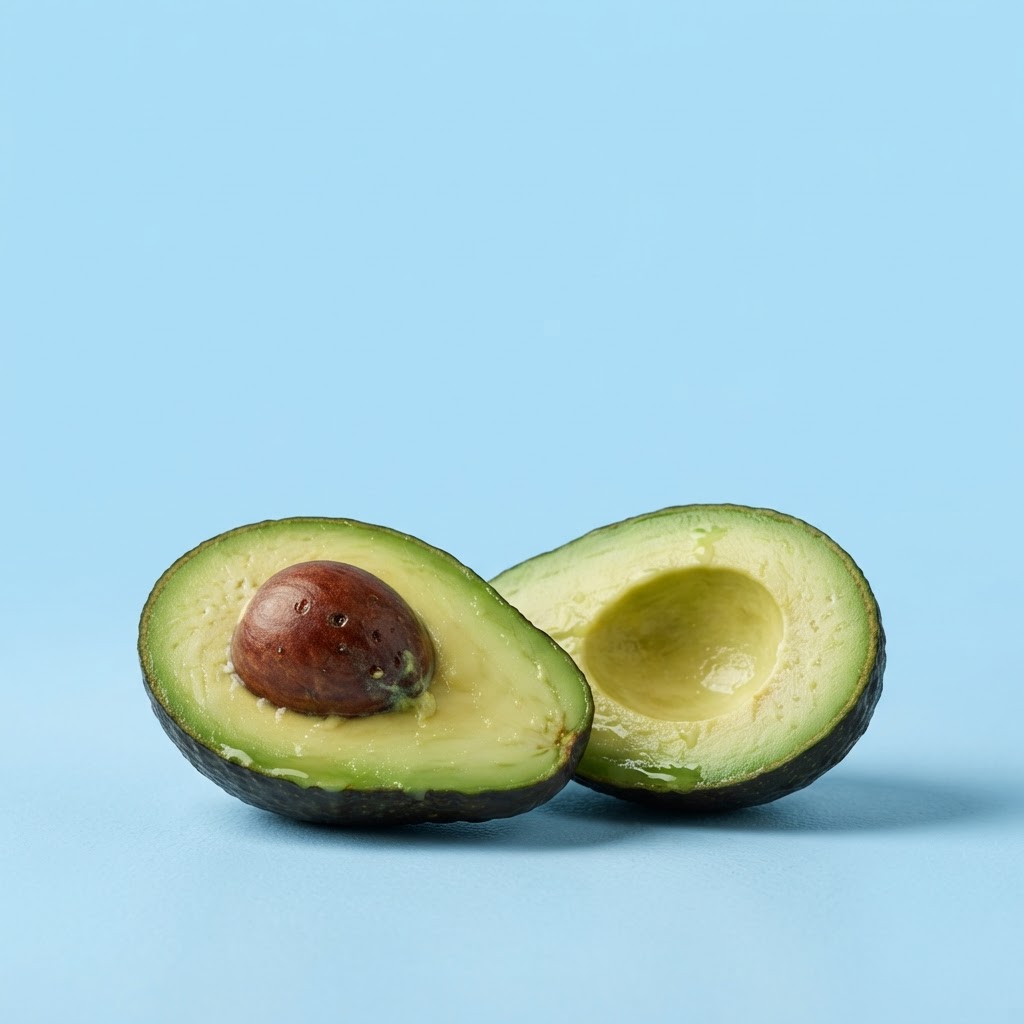
Yes, avocado will go brown after you cut it. This is one of the most well-known characteristics of the fruit, and it happens quickly — usually within 2–4 hours of exposure to air. The browning isn't a sign that the avocado has gone bad or become unsafe to eat. It's a natural chemical reaction called enzymatic browning, and understanding why it happens is the key to preventing it.
Quick Answer: Why Avocados Go Brown
When you cut an avocado, you expose the flesh to oxygen in the air. The avocado contains an enzyme called polyphenol oxidase (PPO). When PPO comes into contact with oxygen, it triggers a chemical reaction that converts phenolic compounds in the avocado into quinones, which then polymerise into brown pigments called melanins. This is the same reaction that causes apples, bananas, and potatoes to turn brown when cut.
According to researchers at the University of California, Davis, polyphenol oxidase is present in many fruits and vegetables, but avocados are particularly prone to browning because they have high levels of both the enzyme and the phenolic substrates it acts upon.
How Long Before a Cut Avocado Goes Brown?
The timeline depends on several factors:
| Condition | Time to Noticeable Browning |
|---|---|
| Exposed flesh, room temperature | 2–4 hours |
| Exposed flesh, refrigerated | 6–12 hours |
| With lemon/lime juice, refrigerated | 24 hours |
| Wrapped tightly with pit intact, refrigerated | 24 hours |
| Stored in water, refrigerated | 24–48 hours |
Temperature plays a significant role. The PPO enzyme is more active at warmer temperatures, which is why refrigeration slows browning significantly. This is also why storing ripe avocados in the fridge is recommended — it slows down both ripening and browning.
Is Brown Avocado Safe to Eat?
Yes. Brown avocado is completely safe to eat. The browning is a surface-level oxidation reaction, not bacterial growth or spoilage. The brown layer may taste slightly bitter due to the formation of quinones, but it poses no health risk. You can simply scrape off the thin brown layer to reveal the green flesh underneath.
However, there's an important distinction between oxidation browning and spoilage. If the avocado has dark brown or black flesh that extends deep into the fruit, feels mushy or stringy, or has an off smell, that's spoilage — not oxidation. Spoiled avocado should be discarded. The FDA recommends discarding any produce that shows signs of mould or bacterial spoilage.
How to Stop Avocado Going Brown: The Best Methods
1. Acid (Lemon or Lime Juice)
The most common and effective method. The citric acid and ascorbic acid (vitamin C) in citrus juice lower the pH on the avocado's surface, which slows the PPO enzyme. Ascorbic acid also acts as an antioxidant, directly reducing the quinones back to their colourless form before they can form brown pigments.
How to do it: Brush or spray a thin layer of lemon or lime juice over the cut surface. Cover tightly with plastic wrap (pressing it directly against the surface to minimise air contact) and refrigerate.
2. Olive Oil
A thin layer of olive oil creates a barrier between the avocado flesh and oxygen. While not as effective as citrus juice (because it doesn't address the enzymatic reaction, only the oxygen exposure), it's a good option if you don't want the citrus flavour.
3. The Pit Method (Myth vs Reality)
Many people leave the pit in the avocado to prevent browning. This partially works — but only for the area directly underneath the pit. The pit blocks oxygen from reaching the flesh it's in contact with, but the surrounding exposed flesh will still brown. A 2019 study published in PubMed-indexed food science journals confirmed that the pit method is only marginally better than doing nothing at all.
4. Water Storage
Submerging cut avocado in water and refrigerating it can keep it green for up to 48 hours. The water blocks oxygen contact. However, the FDA has warned against storing avocados in water for extended periods, as it can create an environment for bacterial growth (particularly Listeria). If you use this method, change the water daily and don't store for more than 24 hours.
5. The Onion Trick
Place a few chunks of red onion in an airtight container with the cut avocado (flesh-side down). Onions release sulphur-containing compounds that act as natural preservatives and can slow the browning reaction. The avocado won't absorb a strong onion flavour as long as the onion chunks aren't directly touching the avocado flesh.
6. Vacuum Sealing
If you have a vacuum sealer, removing all air from around the avocado is the most effective method. Without oxygen, the PPO enzyme can't trigger the browning reaction at all. Vacuum-sealed avocado halves can last 3–4 days in the fridge without browning.
Why Does Avocado Brown Faster Than Some Other Fruits?
Avocados brown faster than many other fruits because they have unusually high levels of both polyphenol oxidase and the phenolic substrates the enzyme acts on. They also have a high fat content (about 15–20% for a Hass avocado, according to USDA FoodData Central), and the lipids in avocado can undergo their own oxidation, contributing to off-flavours even when the visual browning is minimal.
By comparison, apples also brown quickly but have a different enzyme profile. Bananas brown more slowly because their PPO is less active at room temperature. For more on the browning process in other fruits, see our guides on why apples turn brown and why bananas brown faster than other fruit.
Can You Freeze Avocado to Prevent Browning?
Yes — freezing halts the browning process entirely because the PPO enzyme becomes inactive at freezer temperatures. However, freezing changes the texture of avocado significantly. The water in the cells expands as it freezes, rupturing cell walls, which makes thawed avocado mushy. For this reason, frozen avocado is best used in smoothies, guacamole, or baked goods rather than sliced for salads or toast.
For a full guide, see our article on whether you can freeze avocado.
Does the Avocado Variety Affect Browning?
Yes. Different avocado varieties brown at different rates. The Hass variety — the most common in Australian supermarkets — browns relatively quickly. Reed avocados and some Fuerte varieties tend to brown more slowly because they have lower PPO activity. If you can find these varieties at your local farmers' market, they may stay greener for longer after cutting.
How PickFresh Can Help
Want to check if your avocado is ripe before you cut it? Use PickFresh's AI freshness scanner to get an instant ripeness score. And if you've already cut your avocado and have leftovers, our Fridge Scan tool can identify what's in your fridge and suggest recipes — including guacamole, avocado toast, or smoothies to use up that browning avocado before it goes to waste.
Frequently Asked Questions
Yes, brown avocado is safe to eat. The browning is caused by oxidation (a chemical reaction between an enzyme and oxygen), not by bacteria or mould. The brown surface layer may taste slightly bitter, but you can scrape it off to reveal fresh green flesh underneath.
Freshness Checker
Type any produce to get freshness tips instantly
Powered by PickFresh AI · Scan real produce with your camera →