Interactive Tool
Food Portion Calculator
Pick a food, set who you are feeding, and get the exact amount to buy and cook — right here.
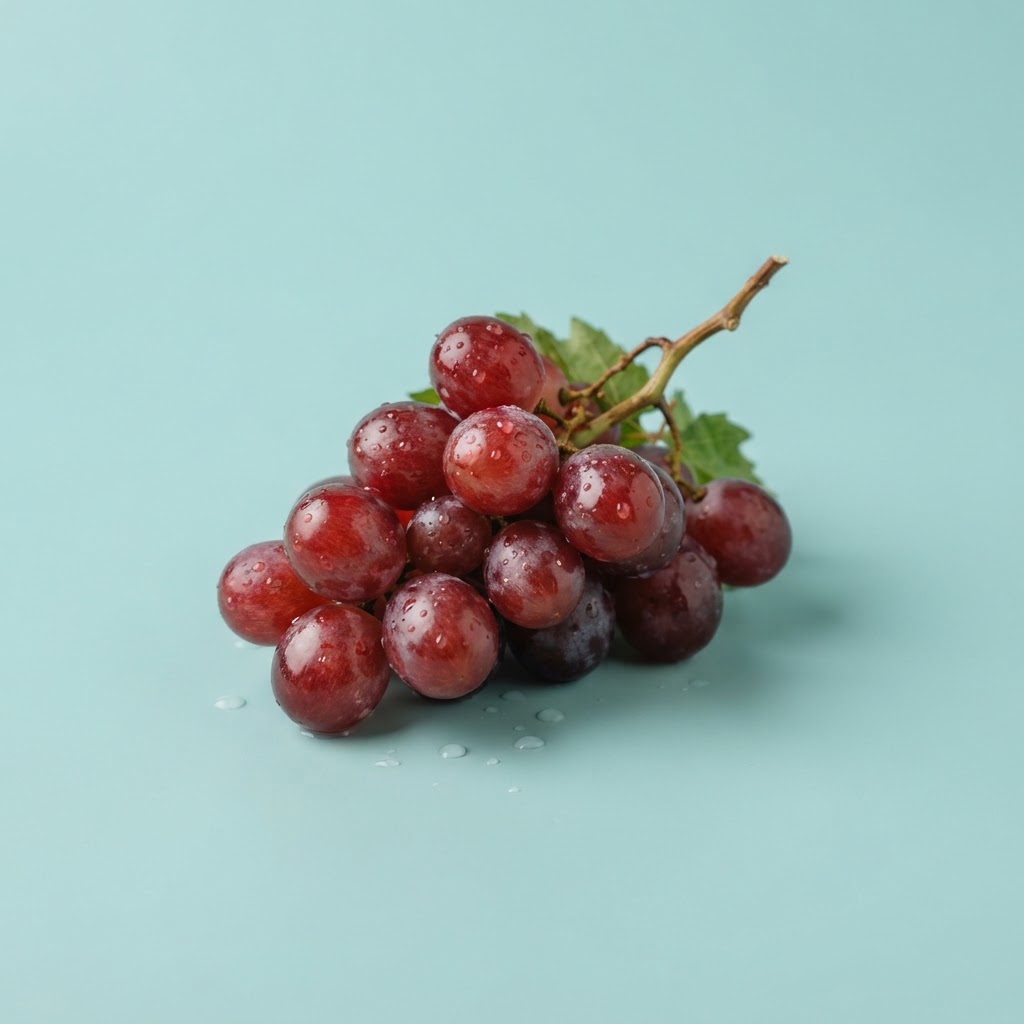
One serving of grapes is approximately 150 grams, which works out to roughly 20–25 small grapes or 15–18 large grapes. According to the Australian Dietary Guidelines, a standard serve of fruit is about 150 grams, and grapes are no exception. But how much should you eat in a day, and what does a serving of grapes actually provide nutritionally? Let's break it down.
Quick Answer: What Is a Serving of Grapes?
A standard serving of grapes is about 150 grams. Here's what that looks like in practical terms:
- Small grapes: 20–25 grapes
- Medium grapes: 15–20 grapes
- Large grapes: 12–15 grapes
- Weight: 150 grams
- Calories: approximately 104 kcal
- Carbohydrates: 27 grams
- Sugar: 23 grams (natural fruit sugar)
- Fibre: 1.4 grams
- Vitamin K: 22% of daily value
- Vitamin C: 5% of daily value
These figures come from the USDA FoodData Central database, the authoritative source for food composition data.
How Many Grapes Should You Eat Per Day?
The Australian Dietary Guidelines recommend that adults consume 2 serves of fruit per day. Since one serve of grapes is about 150 grams (20–25 grapes), eating two servings of grapes — about 40–50 grapes — would meet your entire daily fruit recommendation.
However, nutritionists generally recommend varying your fruit intake rather than eating only one type. Different fruits provide different vitamins, minerals, and antioxidants, so a varied approach is better for overall health. If you're curious about other serving sizes, you can check our guides on how much fruit is a serving or how much banana is a serving.
Nutritional Profile of Grapes
Resveratrol
Grapes — particularly red and purple varieties — are one of the best dietary sources of resveratrol, a polyphenol antioxidant found in the skin of grapes. According to research compiled by the National Institutes of Health, resveratrol has been studied for its potential cardiovascular benefits, anti-inflammatory properties, and possible role in longevity. Red wine also contains resveratrol, which has contributed to the "French paradox" — the observation that French populations have relatively low rates of heart disease despite a diet high in saturated fat.
Vitamin K
One serving of grapes provides about 22% of your daily vitamin K needs. Vitamin K is essential for blood clotting and bone health. According to the NIH Office of Dietary Supplements, vitamin K also plays a role in regulating blood calcium levels.
Potassium
Grapes contain about 288 mg of potassium per 150-gram serving — roughly 8% of the daily recommended intake. The Heart Foundation of Australia notes that adequate potassium intake is associated with healthy blood pressure.
Antioxidants
In addition to resveratrol, grapes contain several other beneficial antioxidants:
- Quercetin: An anti-inflammatory flavonoid that may help protect against cancer and heart disease.
- Catechins: The same family of antioxidants found in green tea.
- Anthocyanins: The pigments that give red and purple grapes their colour — these have been linked to brain health and reduced inflammation.
Red vs. Green vs. Black Grapes: Which Is Best?
The colour of the grape affects its nutritional profile, particularly its antioxidant content:
| Variety | Key Antioxidants | Best For |
|---|---|---|
| Red grapes | Resveratrol, anthocyanins | Heart health, anti-aging |
| Purple/black grapes | Highest resveratrol, anthocyanins | Maximum antioxidant benefit |
| Green/white grapes | Lower antioxidant content | Milder flavour, lower tannins |
According to the Healthline, darker grape varieties (red, purple, and black) contain significantly higher levels of polyphenol antioxidants than green grapes. If you're choosing grapes for maximum health benefit, go for the darker varieties.
How to Measure a Serving of Grapes
If you don't have a kitchen scale, here are some practical ways to estimate a serving:
- By count: About 20 average-sized grapes (roughly the size of a small egg each)
- By volume: About 1 cup of whole grapes
- By weight: About 150 grams on a kitchen scale
- By hand: A small handful (about what fits in your cupped palm)
Serving Sizes for Different Groups
Children
Children need smaller servings. The guidelines are:
- Toddlers (1–2 years): ½ serve (about 10 grapes, cut in half to prevent choking)
- Children (4–8 years): 1 serve (about 15–20 grapes)
- Older children (9–13 years): 1–1½ serves (about 20–30 grapes)
Important safety note: Whole grapes are a leading choking hazard for children under 5. Always cut grapes lengthwise for young children.
People with Diabetes
Grapes are relatively high in natural sugar compared to other fruits. One serving contains about 23 grams of sugar. The Diabetes Australia recommends that people with diabetes can still enjoy fruit, but should be mindful of portion sizes and pair fruit with protein or healthy fat to slow sugar absorption. A smaller serving of 10–12 grapes, paired with a handful of nuts, is a better option for blood sugar management.
Can You Eat Too Many Grapes?
While grapes are healthy, eating very large quantities can have some downsides:
- High sugar intake: Grapes are one of the sweeter fruits. Eating 500+ grams in one sitting would provide about 75 grams of sugar — approaching or exceeding the WHO's recommended daily limit for free sugars (though whole-fruit sugar is treated differently from added sugar).
- Digestive issues: Large quantities of grapes can cause bloating, gas, or diarrhoea in some people, particularly those with irritable bowel syndrome (IBS).
- Calorie intake: While grapes aren't calorie-dense, eating them in very large quantities can add up — 500 grams of grapes contains about 345 calories.
- Resveratrol interactions: Very high resveratrol intake (from supplements, not from grapes) can interact with blood-thinning medications. Eating grapes in normal food amounts is not a concern.
If you're wondering about the serving size for other fruits, check our guides on how many blueberries is a serving or how much strawberry is a serving.
Can You Freeze Grapes?
Yes! Frozen grapes are a refreshing and healthy snack, particularly in summer. Freezing doesn't significantly diminish the nutritional value of grapes, and many people find the texture of frozen grapes enjoyable — they become slightly sweeter and have an almost sorbet-like consistency. See our guide on whether you can freeze grapes for more details.
Using PickFresh with Grapes
Want to check the freshness of your grapes before eating them? Use PickFresh's AI freshness scanner to get an instant quality score. You can also find out when grapes are in season in Australia, or use our Fridge Scan tool to find recipes that use up grapes before they go bad.
Frequently Asked Questions
One serving of grapes is about 150 grams, which is roughly 20–25 small grapes or 15–18 large grapes. This provides about 104 calories and counts as one serve of fruit according to the Australian Dietary Guidelines.