Interactive Tool
Food Portion Calculator
Pick a food, set who you are feeding, and get the exact amount to buy and cook — right here.
How Many Blueberries Is a Serving? The Surprisingly Precise Answer
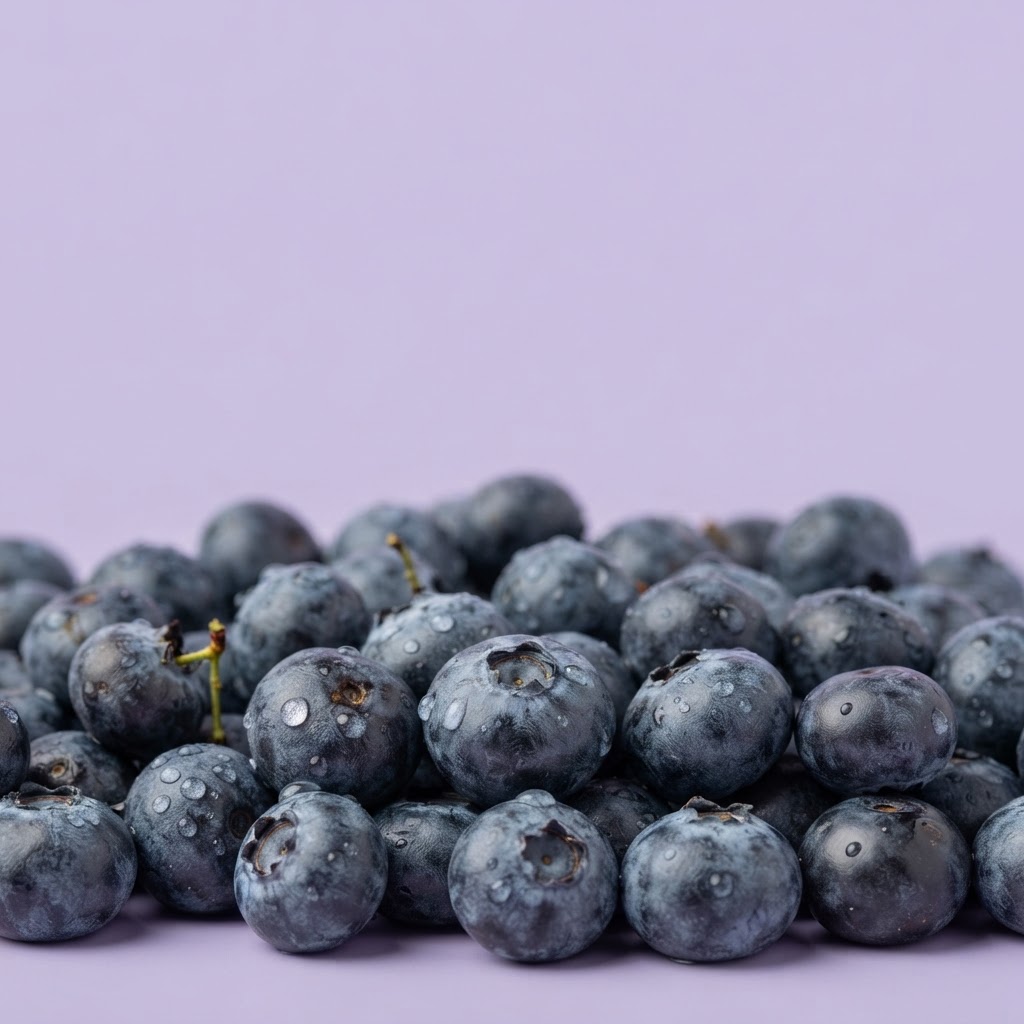
One serving of blueberries is approximately 150 grams, which equates to about 100–150 individual blueberries depending on size. The Australian Dietary Guidelines define one serving of fruit as 150g, and blueberries are one of the most nutrient-dense fruit you can eat per serving. A single serving provides just 84 calories but is packed with antioxidants, fibre, and vitamins.
But counting 100+ blueberries isn't practical. Here's how to measure a serving without counting individual berries, along with the nutritional breakdown and health benefits.
The Standard Serving Size
One serving of blueberries is 150 grams (about 1 cup). Here's how that translates:
| Measurement | Equivalent | Calories |
|---|---|---|
| 1 cup (metric) | 150g | 84 |
| 1 cup (US standard) | 148g | 84 |
| Handful (palm-sized) | ~100–120g | ~60 |
| Individual count (small berries) | 120–150 berries | 84 |
| Individual count (large berries) | 80–100 berries | 84 |
See our grape serving guide and fruit serving guide for comparison.
Nutritional Profile of One Serving of Blueberries
A 150g serving of blueberries provides:
- 84 calories
- 21g carbohydrates (including 15g natural sugars)
- 1.1g protein
- 3.6g fibre (14% of daily value)
- Vitamin C: 14mg (16% of daily value)
- Vitamin K: 29mcg (24% of daily value)
- Manganese: 0.5mg (22% of daily value)
Blueberries are consistently ranked as one of the highest-antioxidant foods available. The US National Library of Medicine has documented their exceptional antioxidant capacity. See our anti-inflammatory guide, vitamin C guide, fibre guide, and manganese/minerals guide.
Why Blueberries Are a "Superfood"
Blueberries earn their superfood reputation from their exceptionally high anthocyanin content — the pigments that give them their deep blue colour. Anthocyanins are powerful antioxidants that have been studied for:
- Brain health: Studies suggest anthocyanins may improve memory and cognitive function. The NCBI has published multiple studies on blueberries and brain health.
- Heart health: Anthocyanins may reduce the risk of cardiovascular disease by improving blood vessel function and reducing inflammation. See our heart-healthy guide.
- Anti-ageing: The antioxidants in blueberries help neutralise free radicals that contribute to cellular ageing. See our anti-inflammatory guide.
- Eye health: Anthocyanins support retinal health and may protect against age-related macular degeneration.
- Blood sugar regulation: Blueberries have a low glycaemic index (GI of 53) and may improve insulin sensitivity. See our sugar guide.
How to Measure a Serving Without a Scale
Here are easy visual cues for one serving of blueberries:
- 1 cup: A standard measuring cup filled to the top is one serving (150g)
- A cereal bowl: A small cereal bowl filled to the brim
- Two handfuls: Two cupped hands of blueberries is approximately one serving
- A small punnet: The small 125g supermarket punnets are just under one serving — eat the whole punnet plus a small handful more
How Many Blueberries Should You Eat Per Day?
The Australian Dietary Guidelines recommend two servings of fruit per day for most adults. You could eat two servings of blueberries (300g, about 2 cups), but it's better to vary your fruit for a wider range of nutrients. See our how much fruit is too much guide.
Research suggests that eating 1 cup (150g) of blueberries per day provides meaningful health benefits, particularly for cardiovascular and cognitive health. This is one of the few fruit where there's strong research supporting a specific daily amount. See our fruit serving guide.
Fresh vs Frozen Blueberries
Frozen blueberries are nutritionally equivalent to fresh — and in some ways superior. The CSIRO has confirmed that freezing preserves the antioxidant content of blueberries. In fact, frozen blueberries may have higher antioxidant levels because they're frozen at peak ripeness, while fresh blueberries may lose some antioxidants during transport and storage.
| Attribute | Fresh Blueberries | Frozen Blueberries |
|---|---|---|
| Antioxidant content | High (declines over time) | High (preserved at freezing) |
| Texture | Firm, plump | Softer when thawed |
| Shelf life | 1–2 weeks refrigerated | 6–12 months frozen |
| Cost | Higher when out of season | Consistent year-round |
| Best use | Snacking, salads, garnish | Smoothies, baking, cooking |
See our blueberry freezing guide and smoothie guide.
Sugar Content: Are Blueberries Too Sweet?
Blueberries are relatively low in sugar compared to other fruit. A 150g serving contains about 15g of natural sugar, compared to 23g in grapes or 18g in a banana. Blueberries also have a low glycaemic index (GI of 53), meaning they cause a slower, smaller rise in blood sugar than high-GI foods.
The combination of low sugar, high fibre, and high antioxidants makes blueberries one of the best fruit choices for people monitoring their blood sugar. See our sugar guide, hidden sugar guide, weight loss guide, and fruit sugar guide.
Blueberry Varieties in Australia
Australia grows several blueberry varieties:
- Northern Highbush: Large berries, grown in cooler climates (Victoria, Tasmania)
- Southern Highbush: Medium berries, grown in NSW, Queensland
- Rabbiteye: Smaller, sweeter berries, grown in Queensland and northern NSW
- Lowbush (wild): Small, intensely flavoured berries. Not commonly grown commercially in Australia.
The Queensland Department of Agriculture provides information on Australian blueberry varieties. See our blueberry season guide.
How to Wash and Store Blueberries
Blueberries are delicate and require careful handling:
- Don't wash until ready to eat — moisture encourages mould
- Refrigerate immediately — fresh blueberries last 7–10 days refrigerated
- Store in original container — the container is designed for breathability
- Remove damaged berries — one mouldy berry can spread to others quickly
- Wash gently — rinse under cool running water just before eating
- Dry thoroughly — pat dry with a paper towel to extend shelf life
See our storage guide and food waste guide.
Can You Eat Too Many Blueberries?
Blueberries are very safe, but eating extremely large quantities can have downsides:
- Excess fibre: Eating 500g or more (about 3+ servings) can cause bloating, gas, and diarrhoea due to the high fibre content. See our fibre guide.
- Vitamin K excess: Blueberries are high in vitamin K, which can interfere with blood-thinning medications like warfarin. If you're on blood thinners, consult your doctor. See our medication guide.
- Sugar load: While lower in sugar than many fruit, 500g of blueberries still contains 50g of sugar. See our fruit sugar guide.
For most people, 1–2 servings (150–300g) per day is ideal. See our fruit and weight gain guide.
Blueberry Serving in Context
Here's how one serving of blueberries (150g) compares to other common berries and fruit:
| Fruit | One Serving | Calories | Sugar |
|---|---|---|---|
| Blueberries | 1 cup (150g) | 84 | 15g |
| Strawberries | 1 cup (150g) | 48 | 7g |
| Raspberries | 1 cup (123g) | 64 | 5g |
| Grapes | 20–30 grapes (150g) | 104 | 23g |
| Banana | 1 medium (120g) | 89 | 14g |
| Apple | 1 medium (150g) | 72 | 14g |
Blueberries have more sugar than strawberries or raspberries but significantly less than grapes. See our strawberry guide, raspberry guide, and apple guide.
Scan Your Blueberries for Freshness
Before eating your blueberries, scan them with PickFresh for an instant freshness score. The AI will tell you if they're fresh and plump or starting to deteriorate. See also our storage guide and blueberry season guide.
Frequently Asked Questions
One serving of blueberries is approximately 150 grams, which is about 1 cup or 80–150 individual berries depending on size. A single serving provides 84 calories, 3.6g fibre, and is one of the highest-antioxidant foods available. The small 125g supermarket punnets are just under one serving.