Interactive Tool
Food Portion Calculator
Pick a food, set who you are feeding, and get the exact amount to buy and cook — right here.
How Many Grapes Is a Serving? The Answer Is More Specific Than You Think
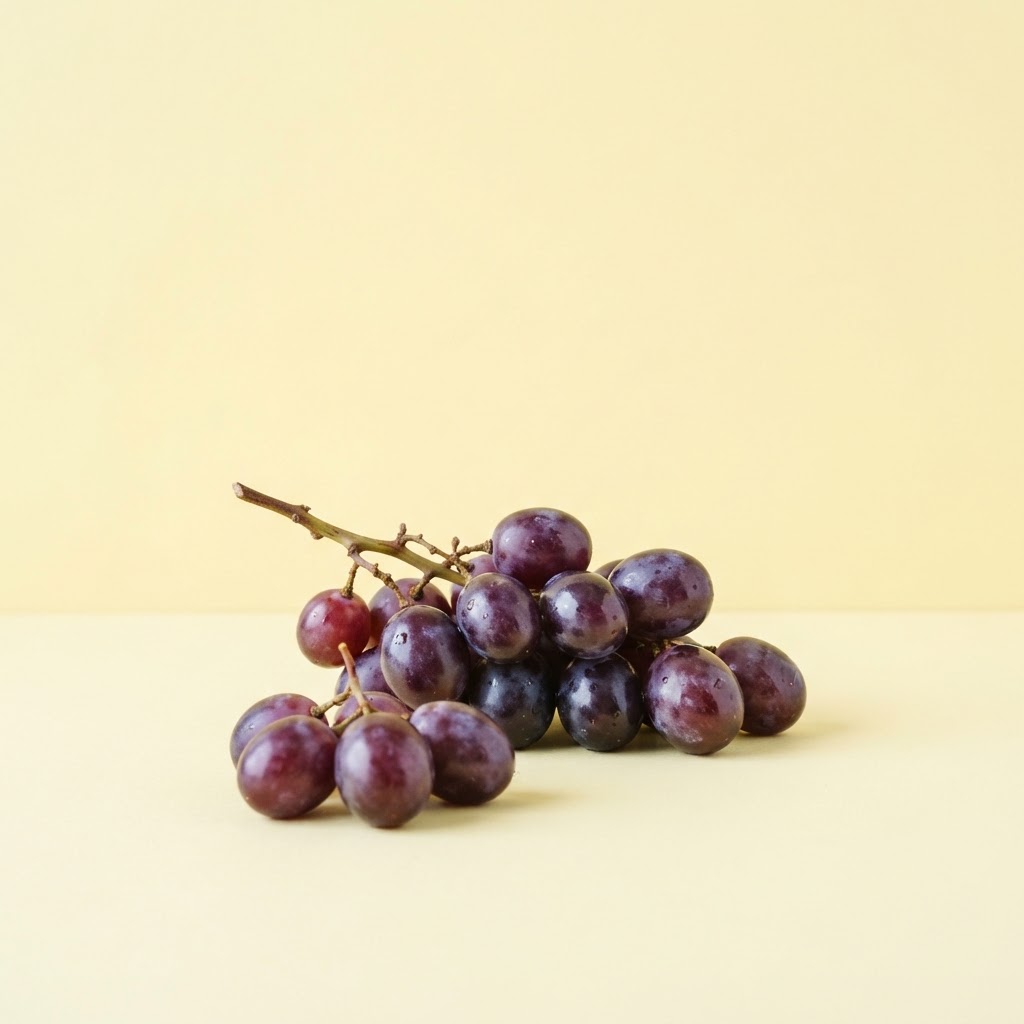
One serving of grapes is approximately 150 grams, which equates to about 20–30 individual grapes depending on the variety and size. The Australian Dietary Guidelines recommend consuming two servings of fruit per day for most adults, and one serving of grapes provides about 100 calories and is rich in vitamins, antioxidants, and natural sugars.
But the exact number of grapes in a serving depends on the variety — seedless table grapes are smaller than Muscat or Crimson varieties. Let's break down the specifics so you can portion accurately.
The Standard Serving Size
According to the Australian Dietary Guidelines, one serving of fruit is approximately 150 grams. For grapes, this translates to:
| Grape Variety | Grapes Per 150g Serving | Calories Per Serving |
|---|---|---|
| Seedless green grapes (small) | 25–30 grapes | 104 |
| Seedless red grapes (medium) | 20–25 grapes | 104 |
| Crimson Seedless (large) | 15–20 grapes | 104 |
| Muscat (medium) | 20–25 grapes | 104 |
| Concord (medium) | 20–25 grapes | 104 |
The calorie count is the same regardless of variety (about 69 calories per 100g of grapes), but the number of individual grapes varies by size. See our grape freezing guide and grape season guide.
Nutritional Profile of One Serving of Grapes
A 150g serving of grapes provides:
- 104 calories
- 27g carbohydrates (including 23g natural sugars)
- 1.1g protein
- 1.4g fibre
- Vitamin C: 4.5mg (5% of daily value)
- Vitamin K: 14mcg (12% of daily value)
- Potassium: 288mg (6% of daily value)
Grapes are also rich in polyphenols — particularly resveratrol in red and black grape skins. Resveratrol has been studied for potential anti-inflammatory, antioxidant, and heart-health benefits. The Heart Foundation acknowledges the role of polyphenols in cardiovascular health. See our anti-inflammatory guide, heart-healthy guide, potassium guide, and vitamin C guide.
How to Measure a Serving Without a Scale
If you don't have a kitchen scale, here are visual cues for one serving of grapes:
- About a cup: One cup of grapes is approximately 150g (one serving)
- A fistful: A closed fist holds roughly one serving of grapes
- A small bowl: A small cereal bowl filled to the brim is about one serving
- Count them: 20–30 grapes depending on size (see the table above)
How Many Grapes Should You Eat Per Day?
The Australian Dietary Guidelines recommend two servings of fruit per day for most adults. This means you could eat two servings of grapes (about 40–60 grapes, or 300g) as your entire fruit intake, though it's better to vary your fruit types for a wider range of nutrients. See our how much fruit is too much guide and fruit serving guide.
For children, the recommended servings are:
- 2–3 years: 1 serving per day (about 10–15 grapes)
- 4–8 years: 1.5 servings per day (about 15–20 grapes)
- 9–18 years: 2 servings per day (about 20–30 grapes per serving)
For small children, always cut grapes lengthwise to prevent choking. See our child safety guide.
Sugar Content: Are Grapes Too Sweet?
Grapes are among the sweeter fruit — a 150g serving contains about 23g of natural sugar. This is natural fructose and glucose, not added sugar, but it's still sugar. The WHO recommends limiting free sugars to less than 10% of daily energy (about 52g for an adult).
However, the sugar in whole grapes is different from added sugar because it comes packaged with fibre, water, and nutrients that slow sugar absorption. One serving of grapes has a glycaemic index (GI) of 43–53, which is considered low to medium. See our sugar guide, hidden sugar guide, and smoothie guide.
Red vs Green vs Black Grapes: Nutritional Differences
The colour of grapes affects their nutritional profile:
- Red and black grapes: Higher in resveratrol and anthocyanins (antioxidants in the skin). See our anti-inflammatory guide.
- Green (white) grapes: Lower in polyphenols but still good sources of vitamin C and potassium.
- Concord grapes: The highest in polyphenols — used for grape juice and wine.
The colour difference comes from the presence (or absence) of anthocyanins — the same antioxidants found in blueberries, blackberries, and red cabbage. Red and black grapes have them; green grapes don't. See our blueberry guide.
Can You Eat Too Many Grapes?
While grapes are healthy, eating very large quantities can have downsides:
- High sugar load: Eating 500g of grapes (about 80–100 grapes) provides 77g of sugar — exceeding the WHO daily limit
- Digestive issues: Large amounts of fructose can cause bloating and diarrhoea in sensitive individuals
- Weight gain: Excess calorie intake from any source can contribute to weight gain. See our fruit and weight gain guide.
- Pesticide residue: Grapes are consistently on the EWG's "Dirty Dozen" list for pesticide residue. Wash thoroughly or choose organic.
How to Wash and Store Grapes
To maximise freshness and safety:
- Wash just before eating — washing then storing encourages mould
- Rinse under running water — don't soak, which can spread contaminants
- Remove stems — damaged or mushy grapes should be removed to prevent mould spread
- Store in the fridge — grapes last 1–2 weeks refrigerated
- Keep unwashed in original bag — the bag provides some humidity control
- Freeze for snacks — frozen grapes make a refreshing treat. See our grape freezing guide.
See our storage guide.
Grape Serving Sizes in Context
Here's how one serving of grapes (150g) compares to other common fruit:
| Fruit | One Serving | Calories |
|---|---|---|
| Grapes | 20–30 grapes (150g) | 104 |
| Apple | 1 medium (150g) | 72 |
| Banana | 1 medium (120g) | 89 |
| Blueberries | 1 cup (150g) | 84 |
| Strawberries | 1 cup (150g) | 48 |
| Orange | 1 medium (130g) | 47 |
See our blueberry serving guide, fruit serving guide, strawberry guide, and orange guide.
Scan Your Grapes for Freshness
Before eating your grapes, scan them with PickFresh for an instant freshness score. The AI will tell you if they're crisp and fresh or starting to soften. See also our storage guide and grape season guide.
Frequently Asked Questions
One serving of grapes is approximately 150 grams, which is about 20–30 individual grapes depending on the variety. Green seedless grapes are smaller (25–30 per serving), while large Crimson Seedless grapes are 15–20 per serving. One serving provides about 104 calories.