The Short Answer: Best to Cook Them
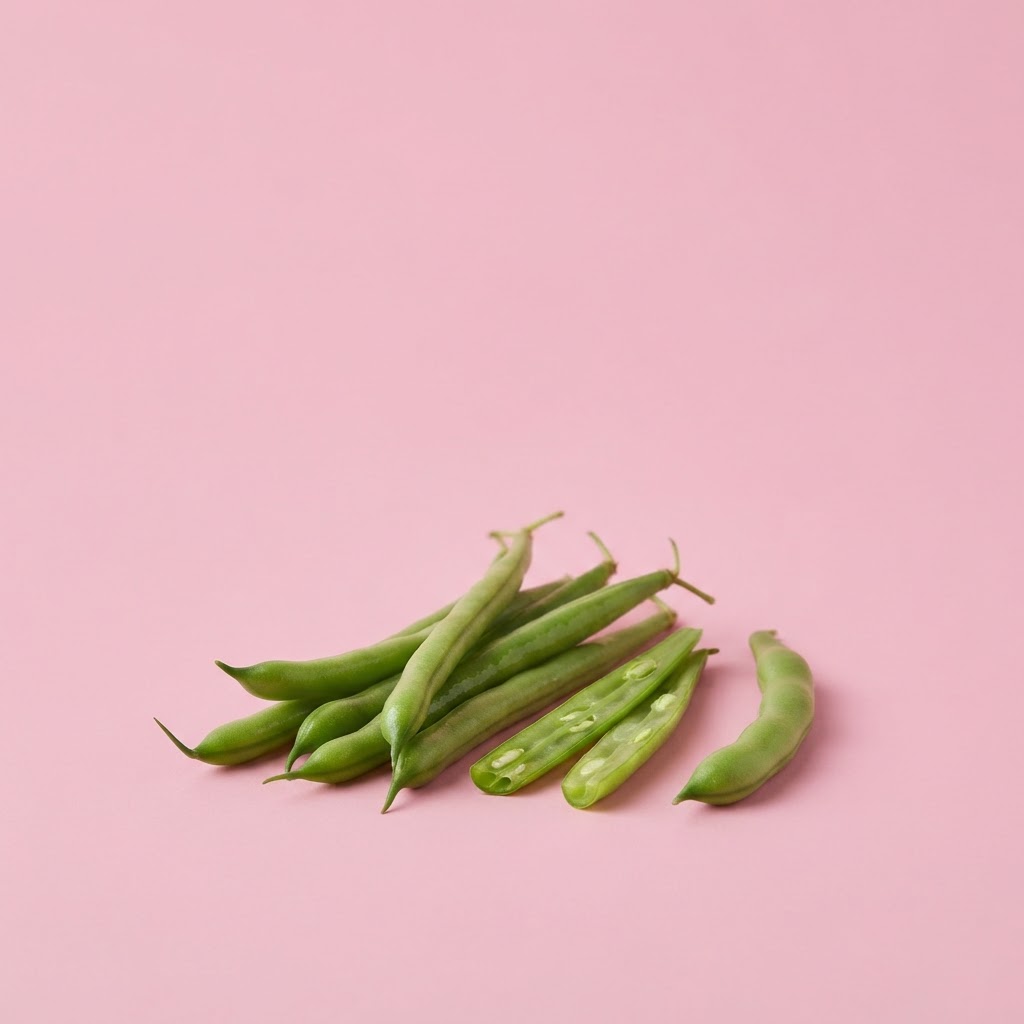
Raw green beans are technically edible — a few beans in a salad won't make most people sick — but they're not recommended in any significant quantity. Raw green beans contain lectins, specifically a type called phytohaemagglutinin (PHA), which can cause gastrointestinal distress when eaten in sufficient amounts. Cooking destroys the lectins, making the beans completely safe.
This is the same principle that applies to raw kidney beans, which are genuinely dangerous raw (see below). Green beans contain much lower lectin levels than kidney beans, but the same compound is present, and the same caution applies — just at a lower intensity.
What Are Lectins and Why Are They a Concern?
Lectins are a type of protein found in many plants, particularly in seeds and legumes. They serve as a defence mechanism — lectins can bind to the surface of cells in the digestive tract of animals that eat them, interfering with nutrient absorption and causing inflammation and digestive distress. The plant benefits because animals learn to avoid eating large amounts of lectin-containing foods.
The specific lectin in green beans and other Phaseolus species (kidney beans, navy beans, butter beans) is phytohaemagglutinin. It's one of the most potent lectins in common foods. Raw kidney beans can contain extremely high levels of PHA — as little as 4-5 raw kidney beans can cause severe symptoms. Green beans contain much lower levels (roughly 1/10th to 1/100th as much as kidney beans), but the compound is the same.
The key property of PHA: it is destroyed by heat. Cooking green beans for even a few minutes at boiling temperature breaks down the lectin structure and eliminates the risk. This is why cooked green beans are completely safe and are a normal part of diets worldwide.
Symptoms of Lectin Poisoning from Raw Green Beans
If you eat enough raw green beans, symptoms can include:
- Nausea
- Vomiting
- Diarrhoea
- Abdominal pain and cramping
- In severe cases: dehydration from fluid loss
Symptoms typically develop within 1-3 hours of eating and usually resolve within a few hours after that. Most cases are mild, but severe vomiting and diarrhoea can cause dehydration, particularly in children and the elderly.
The threshold for symptoms varies by individual. A few raw beans are unlikely to affect a healthy adult, but a handful or more could cause symptoms. Children are more sensitive per kilogram of body weight. If symptoms are severe, seek medical advice. The Poisons Information Centre in Australia is 13 11 26.
How Much Is Safe to Eat Raw?
There's no officially established "safe" amount of raw green beans, because the lectin content varies by variety, growing conditions, and bean maturity. As a practical guide:
- A few beans (1-3): Almost certainly fine for a healthy adult. The lectin content is too low to cause symptoms.
- A small handful (5-10 beans): May cause mild symptoms in sensitive people, but most adults will be fine.
- A large handful or more (15+ beans): Increasingly likely to cause symptoms. Not recommended.
- A full serving raw: Not advisable. Likely to cause gastrointestinal symptoms.
Given how easy it is to cook green beans and how much better they taste cooked, there's no good reason to eat them raw in significant quantities. If you want to eat them lightly cooked, a quick blanch (2-3 minutes in boiling water) is enough to destroy the lectins while keeping the beans crisp and bright green.
The Kidney Bean Warning
While we're on the topic of PHA, it's worth noting that raw or undercooked kidney beans are genuinely dangerous. Raw kidney beans contain 20-70 times more PHA than green beans. Eating as few as 4-5 raw kidney beans can cause severe nausea, vomiting, and diarrhoea within 1-3 hours.
The standard advice for kidney beans: soak for at least 5 hours, drain the soaking water, then boil for at least 10 minutes at a rolling boil. Slow cookers are not recommended for kidney beans because they may not reach a high enough temperature to destroy all the PHA — slow-cooked kidney beans have caused outbreaks of lectin poisoning. Always boil kidney beans vigorously for at least 10 minutes, regardless of what recipe you're using them in. See our plant-based protein guide for more on beans and legumes.
Why You Still See Raw Green Beans in Salads
You'll sometimes see raw green beans in salads, particularly in restaurants or fancy recipes. These are usually present in small amounts — a few thin slices as a garnish — and the risk from a few beans is very low for most adults. The thin slicing also helps: more surface area means more of the lectin is accessible to digestive enzymes, but it also means the quantity per bite is small.
If you're making a salad and want to include green beans, the safer and tastier approach is to blanch them. Drop the beans in boiling water for 2-3 minutes, then immediately transfer to ice water to stop the cooking and preserve the bright green colour. This destroys the lectins while keeping the beans crisp. Blanching is standard practice in professional kitchens for exactly this reason.
Nutritional Benefits of Cooked Green Beans
Once cooked, green beans are a nutritious and low-calorie vegetable:
- Fibre: About 3-4g per cup, supporting digestive health. See our fibre guide.
- Vitamin K: Important for blood clotting and bone health.
- Vitamin C: A good source, though some is lost in cooking. See our vitamin C guide.
- Folate: Important for cell growth, particularly in pregnancy. See our folate guide.
- Potassium: Supports heart health and blood pressure. See our potassium guide.
- Manganese and silicon: Trace minerals that support bone health.
Green beans are also very low in calories (about 30 per cup) and have a low glycaemic index, making them suitable for diabetic diets. See our diabetic-friendly guide for low-GI eating.
How to Cook Green Beans Properly
The key is to cook them enough to destroy the lectins but not so much that they turn grey and mushy. Here are the best methods:
- Blanching (2-3 minutes in boiling water, then ice bath): Best for salads and crudités. Preserves colour and crunch.
- Steaming (5-7 minutes): Preserves more nutrients than boiling. Beans should be tender-crisp.
- Stir-frying (3-5 minutes): Quick, high heat. Good for Asian-style dishes.
- Roasting (15-20 minutes at 200°C): Intensifies the flavour. Toss with oil, salt, and pepper.
- Sautéing (5-8 minutes): Good for garlic and herb preparations.
Avoid slow-cooking green beans for extended periods at low temperatures — while this is less dangerous than slow-cooking kidney beans, it's not the ideal method for green beans either, as it doesn't reliably destroy all the lectins and produces a mushy result. See our storage guide for keeping green beans fresh.
Are Other Raw Beans and Legumes Dangerous?
The lectin risk varies by type of legume:
- Kidney beans: Highest risk. Must be soaked and boiled vigorously for at least 10 minutes.
- Green beans (string beans): Low risk, but still best cooked.
- Soybeans: Raw soybeans contain trypsin inhibitors and lectins. Must be cooked.
- Lentils and chickpeas: Contain some lectins but at lower levels. Cooking is recommended.
- Peas (garden peas, sugar snap peas): Much lower lectin levels. Sugar snap peas and snow peas are commonly eaten raw in salads and are generally considered safe. See our vegetable guide.
The Bottom Line
Raw green beans contain lectins that can cause digestive upset. A few raw beans are usually fine, but eating more is not recommended. Cooking — even brief blanching — makes green beans safe and delicious. Always cook green beans, and if you want them crisp, blanch for 2-3 minutes rather than eating them raw.
Before you cook, scan your green beans with PickFresh. For recipes, try our Fridge Scan. See also our leftover vegetables guide.
Frequently Asked Questions
Technically yes, but it is not recommended. Raw green beans contain lectins (phytohaemagglutinin) that can cause nausea, vomiting, and diarrhoea if you eat enough. A few raw beans in a salad are usually fine for most adults, but larger amounts can cause symptoms. Cooking destroys the lectins and makes green beans completely safe.
Freshness Checker
Type any produce to get freshness tips instantly
Powered by PickFresh AI · Scan real produce with your camera →