You find a spot of mould on an apple. It is a small patch — can you just cut it off and eat the rest? The answer, according to food safety experts, depends entirely on the type of fruit. And the reasoning involves something most people do not know about mould: it has roots.
The Root of the Problem: Mould Mycelium
What you see on the surface of mouldy fruit is only part of the mould. The visible fuzzy patch is the "flower" of the mould — its reproductive structure. But beneath the surface, mould sends out a network of thread-like roots called mycelium that penetrate into the food.
According to the USDA Food Safety and Inspection Service, mould can spread much deeper than the visible surface spot. On soft, moist foods, the mycelium can spread throughout the entire item, even where you cannot see or smell it.
This is why simply cutting off the visible mould is not always safe — you may be leaving behind invisible mould roots and the toxins they produce.
The USDA Rule: Firm vs. Soft Fruit
The USDA divides foods into two categories when it comes to mould safety:
Firm fruits (can be salvaged):
Fruits with a firm texture and relatively low moisture content can be salvaged by cutting away the mould generously. Because their dense structure limits how far mould mycelium can spread, cutting at least 2.5cm (1 inch) around and below the mouldy spot is sufficient.
- Apples — see our guide on apple season
- Pears — see our guide on pear season
- Carrots
- Cabbage
How to do it: Cut at least 2.5cm around and below the mould spot. Keep your knife out of the mould to avoid cross-contaminating the rest of the fruit.
Soft fruits (discard entirely):
Fruits with high moisture content and soft texture should be discarded entirely if they show any mould. The mould's mycelium can spread throughout the flesh where you cannot see it, and the high water content allows rapid spread.
- Berries (strawberries, blueberries, raspberries) — see our guides on strawberries and blueberries
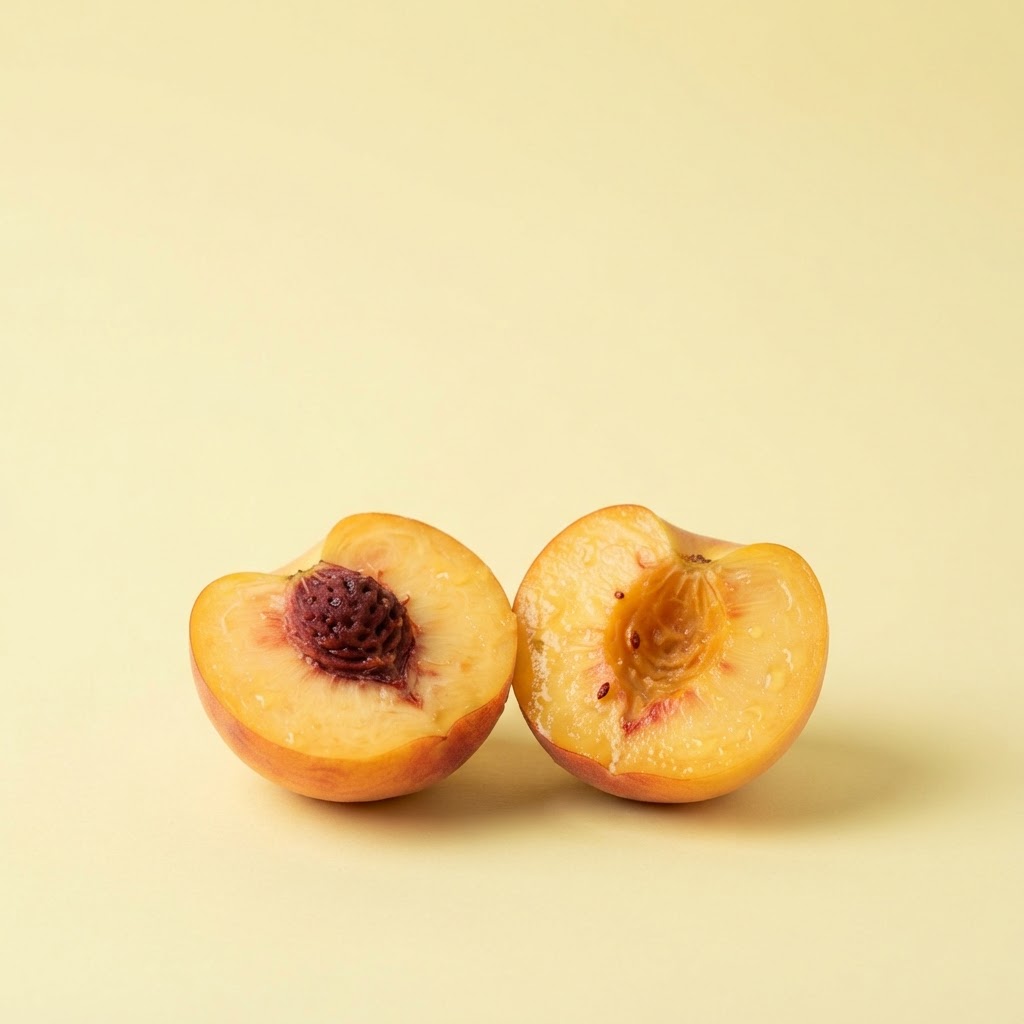
- Peaches and plums — see our guides on peaches and plums
- Tomatoes — see our guide on tomato season
- Bananas — see our guide on bananas
- Citrus fruits (oranges, lemons) — see our guide on orange season
Why Mould Is Not Just a Surface Problem
Mould is a type of fungus. When it lands on food, it sends hyphae (thread-like structures) into the food to absorb nutrients. These hyphae form a network called mycelium that can spread deep into the food.
On firm, dry foods, the dense structure limits how far the mycelium can spread. But on soft, moist foods, the mycelium can spread rapidly through the water-rich tissue. By the time you see a spot of mould on a strawberry, the mycelium may have already spread through much of the fruit.
According to the Centers for Disease Control and Prevention (CDC), some moulds also produce mycotoxins — toxic compounds that can cause acute illness or long-term health effects. These toxins can spread through the food along with the mycelium, so even if you cut away the visible mould, toxins may remain in the apparently clean flesh.
The Danger of Mycotoxins
Not all moulds produce toxins, but some do, and you cannot tell by looking which moulds are dangerous. Common mycotoxins include:
- Aflatoxins: Produced by Aspergillus moulds, these are among the most carcinogenic substances known. They are most commonly found on peanuts and corn but can appear on other foods.
- Ochratoxins: Produced by Aspergillus and Penicillium moulds. Linked to kidney damage.
- Patulin: Found in mouldy apples and apple products. Particularly concerning in apple juice and cider made from mouldy fruit.
According to the World Health Organization (WHO), mycotoxins can cause a range of health effects including acute poisoning, immune system suppression, and cancer with long-term exposure.
The Same Principle Applies to Other Foods
The firm vs. soft rule does not just apply to fruit. The USDA guidelines classify all foods this way:
| Food Type | Mould Visible | Action |
|---|---|---|
| Hard cheese (cheddar, parmesan) | Small spot | Cut 2.5cm around and below — safe to eat |
| Soft cheese (cream cheese, brie) | Any | Discard entirely |
| Hard fruit (apples, pears) | Small spot | Cut 2.5cm around and below — safe to eat |
| Soft fruit (berries, peaches) | Any | Discard entirely |
| Bread | Any | Discard entirely (mould spreads through porous structure) |
| Hard vegetables (carrots, cabbage) | Small spot | Cut 2.5cm around and below — safe to eat |
| Soft vegetables (tomatoes, cucumber) | Any | Discard entirely |
| Jams and jellies | Any | Discard entirely (mycotoxin risk) |
How to Prevent Mould on Fruit
Prevention is better than salvage. Here are tips to keep your fruit mould-free:
- Do not wash fruit until you are ready to eat it. Moisture promotes mould growth.
- Inspect fruit before buying. Avoid fruit with bruised or broken skin.
- Store properly. See our guide on produce storage.
- Remove mouldy fruit immediately. One mouldy berry can spread spores to the rest. See our guide on reducing food waste.
- Keep fruit bowls clean and dry. Wash the bowl regularly.
And you can scan your fruit with PickFresh to check freshness before it goes mouldy.
References
Frequently Asked Questions
It depends on the fruit. Firm fruits with low moisture (apples, pears) can be safe if you cut at least 2.5cm around and below the mould. Soft fruits with high moisture (berries, peaches, tomatoes) should be discarded entirely if mouldy.
Freshness Checker
Type any produce to get freshness tips instantly
Powered by PickFresh AI · Scan real produce with your camera →