Best Time of Day to Drink Orange Juice (and When to Avoid It)
Orange juice is a controversial drink. It is packed with vitamin C but also high in natural sugar — about 21g per 250ml glass, nearly the WHO daily limit for added sugar. When you drink it matters: on an empty stomach, it spikes blood sugar fast. With food, the impact is gentler. Here is the best time to drink orange juice depending on your goals.
Morning: The Popular Choice, But Not Ideal
Most people drink orange juice at breakfast, and there is some logic to it. The vitamin C helps you absorb iron from breakfast cereals and toast. But drinking orange juice on an empty stomach first thing in the morning causes a rapid blood sugar spike. Without protein or fat to slow digestion, the fructose hits your bloodstream fast, followed by a crash that can leave you tired and hungry an hour later.
If you drink orange juice in the morning, pair it with protein and fat — eggs, yoghurt, or nut butter on toast. This slows the sugar absorption and prevents the spike-and-crash cycle. See our juice limit guide for more.
With Meals: The Best Option for Blood Sugar
Drinking orange juice with a meal that contains protein, fat, and fibre is the best way to minimise blood sugar impact. The food slows the absorption of sugar from the juice, giving you a gentler rise and fall. This is especially important for people with diabetes or insulin resistance. See our diabetic fruit guide.
A glass of orange juice with a balanced lunch (protein, vegetables, whole grains) is far better than the same glass on its own. The fibre from the food and the protein and fat slow everything down.
After Exercise: A Surprisingly Good Window
After a workout, your body is primed to use sugar for recovery — replenishing glycogen stores in your muscles rather than storing it as fat. A glass of orange juice after exercise provides quick carbohydrates plus vitamin C, which helps reduce exercise-induced inflammation. The sugar is used immediately for recovery rather than circulating in your blood.
This is one of the few times when the fast-absorbing sugar in juice is an advantage rather than a problem. Pair it with some protein for optimal recovery.
Before Bed: Avoid
Drinking orange juice before bed is the worst time for most people. The sugar and acid can disrupt sleep, and the acid can cause heartburn when you lie down. The Sleep Health Foundation recommends avoiding sugary drinks before bed. If you are prone to heartburn, avoid citrus juice within 2-3 hours of lying down. See our heartburn guide.
How Much Orange Juice Is Safe Per Day?
The WHO recommends limiting added sugar to 25g per day (6 teaspoons). Orange juice contains natural sugar, not added sugar, but the body processes liquid sugar similarly. A 250ml glass of orange juice has about 21g of sugar — nearly the entire daily limit.
For adults: limit to 150ml per day (about 12g of sugar). For children: 120ml maximum. For people with diabetes: consult your doctor, but whole fruit is a better choice than juice. See our juice yield guide for how many oranges that takes.
Whole Orange vs Orange Juice: Which Is Better?
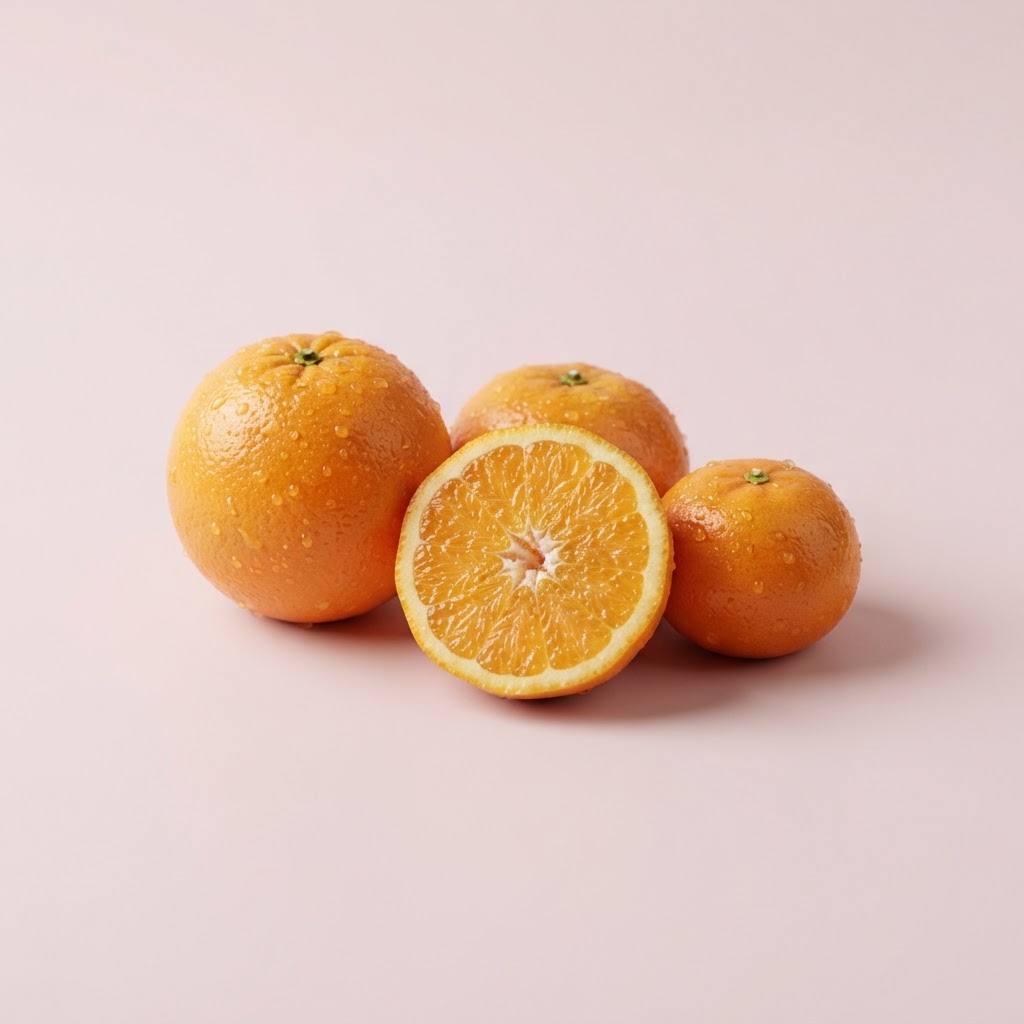
Whole oranges are always better than juice. The fibre in whole fruit slows sugar absorption and makes you feel full. Juice strips the fibre and concentrates the sugar. One medium orange has about 70ml of juice and 9g of sugar with all the fibre intact. A glass of juice (250ml) has 21g of sugar and zero fibre — you would need to eat 3-4 oranges to get that much sugar, and the fibre would slow the absorption. See our fruit limit guide.
If You Do Drink Orange Juice, Choose Fresh
Not all orange juice is equal. Freshly squeezed orange juice retains more vitamin C than packaged juice, which loses vitamin C over time through oxidation. Store-bought "not from concentrate" juice is better than "from concentrate" but still has been sitting on a shelf. The best option is squeezing your own — see our orange variety guide for the best juicing oranges.
Before you juice, scan your oranges with PickFresh to check freshness. The AI tells you the ripeness and estimated juice yield.
Frequently Asked Questions
With a meal that contains protein, fat, and fibre. This slows sugar absorption and prevents the blood sugar spike that comes from drinking juice on an empty stomach. After exercise is also good — your body uses the sugar for muscle recovery rather than storing it.
Freshness Checker
Type any produce to get freshness tips instantly
Powered by PickFresh AI · Scan real produce with your camera →