The Short Answer: Yes, and It Can Be Delicious
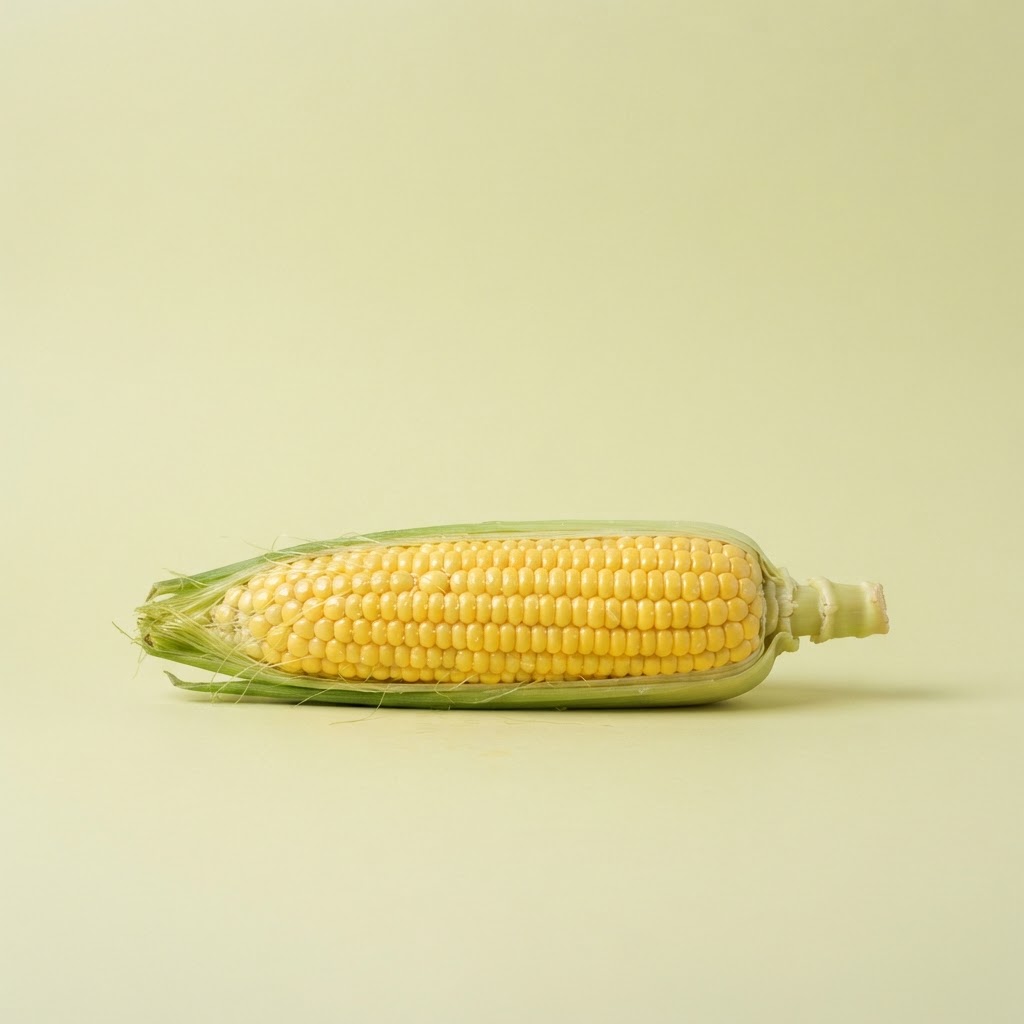
You can absolutely eat raw corn on the cob. Sweet corn is safe to eat raw, and when it's very fresh, it's surprisingly delicious — crunchy, juicy, and sweet. Raw corn has a different character than cooked: more crunch, more starchiness, and a cleaner, sweeter flavour because the natural sugars haven't been altered by heat.
The main caveat is freshness. Raw corn is only good when it's very fresh. Corn starts converting its sugars to starch the moment it's picked, and after 24-48 hours, the sweetness fades and the kernels become starchy and less pleasant raw. For the best raw corn, eat it the same day you buy or pick it, ideally within hours. See our corn season guide for when corn is freshest in Australia.
Is Raw Corn Safe?
Yes. Sweet corn (the type you eat on the cob) contains no toxins when raw — unlike some other raw vegetables like green beans (see our green beans guide) or kidney beans. There are no lectins, no solanine, no cyanide compounds. The kernels are simply starch and sugar wrapped in a fibrous hull, and they're safe to eat as-is.
The main food safety consideration with raw corn is the same as for any raw produce: wash it first. Corn can carry soil bacteria from the field, so rinse the ears under running water and remove any visible dirt or debris before eating. People with compromised immune systems, pregnant women, and the very young or old should be particularly careful with raw produce — see our pregnancy produce guide.
Why Is Raw Corn Less Digestible?
The main downside of raw corn is that it's less digestible than cooked corn. The starch in corn kernels is packaged in tight granules that your digestive enzymes have trouble breaking down when the corn is raw. Cooking gelatinises the starch — it swells and breaks open the granule structure, making the starch accessible to your enzymes.
This is why you may have noticed corn passing through largely intact in your stool after eating raw corn (or even cooked corn, if you don't chew thoroughly). The outer hull of each kernel is made of insoluble fibre (cellulose) that your body can't break down at all. If you swallow kernels whole, the hull survives the entire digestive journey. See our fibre guide for more on insoluble fibre.
Cooking doesn't make the hull digestible — it's still fibre — but it does make the starch inside the kernel more accessible. So cooked corn gives you more available calories and starch, while raw corn gives you more insoluble fibre and less available energy. Neither is dangerous; they're just different.
How to Eat Raw Corn
If you want to try raw corn, here's how to get the best experience:
- Choose the freshest corn possible. Look for ears with green, moist husks and plump kernels. The silk should be golden and slightly sticky, not dried out. Squeeze the ear — it should feel firm and full. Avoid ears with dry, brown husks or soft spots.
- Eat it soon after picking. Ideally within hours, certainly within a day. The longer corn sits after picking, the more sugar converts to starch and the less pleasant it is raw.
- Husk and wash. Remove the husks and silk, and rinse the ear under running water.
- Eat it off the cob or cut the kernels. You can bite directly off the cob, or slice the kernels off with a knife and use them in salads, salsas, or as a garnish.
- Chew thoroughly. Because the hulls are tough and the starch is less accessible, thorough chewing helps you get more nutrition from raw corn and reduces the "whole kernel" effect.
Raw corn kernels are excellent in salads — they add sweetness, crunch, and a pop of colour. Try them in a summer salad with tomatoes, basil, and vinaigrette. See our tomato guide for pairing ideas.
The Sweetness of Raw Corn
One of the pleasant surprises of raw corn is how sweet it can be. Sweet corn varieties have been bred for high sugar content, and when the corn is very fresh, those sugars are at their peak. The conversion of sugar to starch starts immediately after picking — at room temperature, an ear of corn can lose up to 50% of its sugar in 24 hours.
This is why corn from a farmers' market or your own garden is often dramatically sweeter than corn from a supermarket, which may have been picked days earlier. The difference is particularly noticeable when eating raw, because cooking masks some of the sugar loss by developing new flavours through caramelisation and Maillard browning.
See our seasonal produce guide for finding the freshest corn, and our farmers' markets guide for direct-from-grower options.
Nutrition: Raw vs Cooked Corn
Corn is a nutritious food either way, but the nutritional profile differs slightly between raw and cooked:
- Calories and starch: Cooked corn provides more available calories and starch because cooking gelatinises the starch granules, making them digestible. Raw corn provides fewer available calories because more of the starch passes through undigested.
- Fibre: Both raw and cooked corn are good sources of fibre. The hull fibre is indigestible either way; cooking softens it but doesn't make it digestible. See our fibre guide.
- Vitamin C: Raw corn retains more vitamin C, which is heat-sensitive. Cooking reduces vitamin C content. See our vitamin C guide.
- B vitamins: Some B vitamins are partially lost in cooking water if boiled. Steaming or grilling retains more.
- Antioxidants: Yellow corn contains lutein and zeaxanthin, antioxidants important for eye health. Cooking can actually increase the availability of these compounds by breaking down cell walls. See our anti-inflammatory guide.
For most people, cooked corn is the more nutritious choice because the increased starch availability means you get more usable energy. But raw corn is a fun, refreshing snack and works well in salads.
Is Field Corn Different from Sweet Corn?
Yes, and this matters for the raw question. There are several types of corn, and only sweet corn is eaten as a fresh vegetable:
- Sweet corn: High sugar content, harvested when kernels are immature and juicy. This is what you eat on the cob. Safe and delicious raw when fresh.
- Field corn (dent corn): Lower sugar, higher starch. Harvested when dry and mature. Used for animal feed, cornmeal, corn syrup, and ethanol. Not eaten raw — too starchy and tough.
- Popcorn (flint corn): Hard outer shell, starchy interior. Popped by heating. Not eaten raw.
- Flour corn: Soft starch, used for corn flour. Not eaten raw.
When we say "can you eat raw corn," we're talking about sweet corn. Don't try to eat field corn or popcorn raw — the kernels are hard, dry, and thoroughly unpleasant. See our corn season guide for sweet corn varieties.
Can You Eat Other Parts of the Corn Plant?
The corn plant has other edible parts beyond the kernels:
- Corn silk: The fine threads inside the husk. Used in traditional medicine as a tea for urinary complaints. Not commonly eaten as food, but not toxic. See our plant parts guide for similar examples.
- Corn husks: Used to wrap tamales (they're not eaten themselves, but impart flavour during steaming). Dried husks are available at specialty stores.
- Corn shoots: Young corn sprouts can be eaten as a vegetable in some cuisines.
Cooking Methods That Preserve Sweetness
If you decide to cook your corn (which most people do), here are the methods that best preserve the natural sweetness:
- Steaming (3-5 minutes): Preserves the most sweetness because the corn isn't immersed in water that could leach out sugars.
- Grilling (in the husk, 15-20 minutes): Adds a smoky flavour and caramelises the sugars slightly. See our Mexican-inspired recipes.
- Microwaving (2-4 minutes per ear): Quick and retains sweetness. Leave the husk on for easy removal.
- Boiling (3-5 minutes): Traditional but leaches some sugar into the water. Don't overcook — 3-5 minutes is enough.
Whatever method you choose, don't overcook. Overcooked corn is tough, starchy, and has lost its sweetness.
Enjoy Your Corn
Before you cook — or eat raw — scan your corn with PickFresh to check freshness. For recipes, try our Fridge Scan.
Frequently Asked Questions
Yes, raw sweet corn is safe to eat. It is crunchy, juicy, and sweet when very fresh. It contains no toxins when raw, unlike some other raw vegetables. The main consideration is freshness — corn starts converting sugar to starch the moment it is picked, so raw corn is best eaten within hours of harvesting.
Freshness Checker
Type any produce to get freshness tips instantly
Powered by PickFresh AI · Scan real produce with your camera →