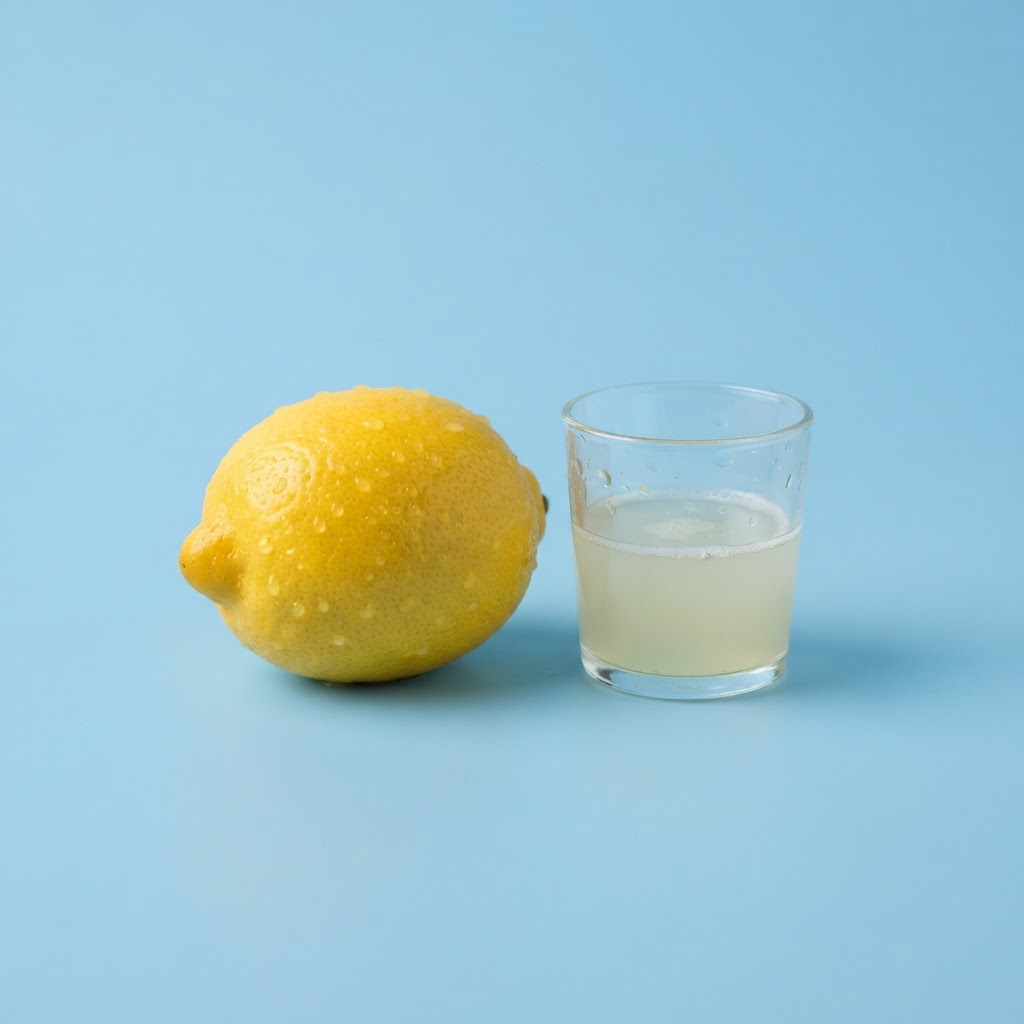
How much juice is in one lemon? It's a question every cook, baker, and cocktail-maker needs answered — and the response is more variable than you'd think. A lemon's juice yield depends on its size, variety, ripeness, temperature, and how you extract it. But with the right techniques, you can maximise every lemon. Here's the complete guide to lemon juice yield, plus zesting tips and storage advice.
Quick Answer: How Much Juice Is in One Lemon?
One medium lemon yields about 70–90ml of juice (2–3 tablespoons). You need 3–4 lemons for a standard 250ml glass of lemon juice, or 1 lemon per recipe that calls for "the juice of one lemon." The best way to maximise juice: roll the lemon firmly on the bench before cutting, and juice at room temperature.
Lemon Juice Yield by Variety
Not all lemons are created equal. The variety affects both juice yield and flavour:
| Variety | Avg Juice | Notes |
|---|---|---|
| Eureka | 75–90ml | Most common supermarket lemon. Thick skin, good juice yield. |
| Lisbon | 80–95ml | Slightly juicier than Eureka. Thin skin, high acid. |
| Meyer | 60–75ml | Sweeter, less acidic. Smaller fruit, less juice. |
| Bush lemon | 50–70ml | Wild variety, thick pith, variable yield. |
| Verna | 85–100ml | Large, thick-skinned Spanish variety. Very juicy. |
See our lemon season guide for when each variety is available.
How Much Juice Is in Different Amounts of Lemons?
| Amount | Juice Yield | Tablespoons |
|---|---|---|
| 1 small lemon | 45–60ml | 3–4 tbsp |
| 1 medium lemon | 70–90ml | 4–6 tbsp |
| 1 large lemon | 90–110ml | 6–7 tbsp |
| 2 lemons | 140–180ml | 9–12 tbsp |
| 3 lemons | 210–270ml | 14–18 tbsp |
| 4 lemons (1 glass) | 250ml | ~17 tbsp |
| 1 kg lemons | ~400–500ml | ~27–33 tbsp |
For reference: 1 tablespoon = 15ml, 1/4 cup = 60ml, 1/2 cup = 125ml, 1 cup = 250ml.
5 Tricks to Get More Juice from a Lemon
- Roll it on the bench: Before cutting, press the lemon down and roll it firmly on the benchtop with your palm. This breaks down the internal membranes and releases up to 30% more juice.
- Use room temperature lemons: Cold lemons yield significantly less juice. If your lemons are in the fridge, microwave one for 10–15 seconds before juicing — the heat softens the membranes.
- Cut lengthwise, not crosswise: Cutting the lemon in half pole-to-pole (lengthwise) rather than across the equator exposes more juice vesicles.
- Use a citrus reamer or juicer: Hand-squeezing leaves 20–30% of the juice behind. A reamer, citrus press, or electric juicer extracts significantly more. See our lemon guide for tool recommendations.
- Cut and twist: After the first squeeze, re-cut the lemon at a different angle and squeeze again. You'll get another 10–15ml from the "spent" half.
How Much Zest Is in One Lemon?
Zest is the coloured outer layer of the lemon skin (the flavedo) — not the white pith beneath, which is bitter. One medium lemon yields about 1 tablespoon of zest (roughly 5–6g). Here's how to zest correctly:
- Use a Microplane: A fine Microplane grater produces fluffy, fine zest that incorporates evenly into batters and dressings.
- Zest before juicing: Always zest the whole lemon first, then cut and juice. It's nearly impossible to zest a squeezed lemon half.
- Avoid the pith: Only grate the yellow outer layer. The white pith underneath is bitter and will ruin the flavour of your dish.
- Wash first: If using conventionally grown lemons, wash thoroughly under running water and consider organic for zesting — pesticides concentrate on the skin. See our orange skins guide for the same principle with oranges.
- Freeze extra zest: If you have lemons going soft, zest them before juicing and freeze the zest in a small container. Frozen zest lasts 6 months and is perfect for baking.
Lemon Zest vs Lemon Juice: Different Nutrients
Zest and juice contain different nutrients and serve different culinary purposes:
| Lemon Juice | Lemon Zest | |
|---|---|---|
| Vitamin C | High (17mg per lemon) | Moderate |
| Flavonoids | Moderate | Very high (5–10x more than juice) |
| D-limonene | Trace | High (anti-cancer compound) |
| Fibre | None | High (pectin) |
| Flavour | Sour, acidic | Floral, aromatic, lemon oils |
| Best use | Drinks, dressings, marinades | Baking, pasta, dressings, garnish |
The zest contains up to 10 times more flavonoids and antioxidants than the juice. D-limonene, a compound found almost exclusively in the zest, has shown anti-cancer properties in laboratory studies. So don't throw away the zest — use it!
How Many Lemons for Common Recipes?
| Recipe | Lemons Needed |
|---|---|
| 1 glass of lemonade | 3–4 lemons |
| Lemon drizzle cake | 2–3 lemons (juice + zest) |
| Lemon pasta sauce | 1–2 lemons |
| Lemon curd | 4–5 lemons |
| Salad dressing | 1/2 lemon |
| Gin and tonic garnish | 1/4 lemon (wedge) |
| 1 cup lemon juice | 3–4 lemons |
Can You Freeze Lemon Juice?
Yes — freezing lemon juice is a great way to preserve excess lemons. Squeeze lemons, strain out seeds and pulp, and pour into ice cube trays. Each cube holds about 2 tablespoons (30ml). Once frozen, transfer cubes to a freezer bag. Frozen lemon juice lasts 4–6 months and is perfect for cooking, dressings, and drinks.
You can also freeze whole lemons — wash, dry, and place in a freezer bag. Frozen whole lemons last 3–4 months. When you need one, grate the frozen whole lemon (skin and all) directly into baking, dressings, or hot water. The frozen zest grates more finely than fresh and releases intense lemon oil.
Lemon Juice and Iron Absorption
Lemon juice is one of the most practical vitamin C sources for enhancing iron absorption. A squeeze of lemon on spinach, lentils, or tofu can triple non-heme iron absorption. See our vitamin C guide and iron-rich foods guide for the full strategy.
How to Tell If a Lemon Is Juicy
Before buying, use these tests to pick the juiciest lemons:
- Weight: Heavier lemons have thinner skin and more juice. Compare two lemons of the same size and pick the heavier one.
- Skin texture: Thin-skinned lemons (smooth, slightly glossy) have more juice than thick-skinned ones (rough, dull).
- Firmness: A ripe, juicy lemon has a slight give when squeezed. Rock-hard lemons are underripe and yield less juice.
- Shape: Rounder lemons tend to be juicier than elongated ones.
- Colour: Fully yellow lemons are ripe. Green-tinged lemons are underripe.
See our lemon season guide for when to buy.
Frequently Asked Questions
One medium lemon yields about 70 to 90ml of juice (2 to 3 tablespoons). You need 3 to 4 lemons for a standard 250ml glass of lemon juice. The yield varies by variety (Eureka: 75 to 90ml, Lisbon: 80 to 95ml, Meyer: 60 to 75ml), size, ripeness, and extraction method.