Oranges are one of the most popular fruits in the world, but not all oranges are equally sweet. The sweetness of an orange is measured in degrees Brix (°Bx), which indicates the sugar content of the fruit's juice. The higher the Brix value, the sweeter the orange. If you have ever wondered why some oranges taste bland while others are bursting with sweetness, the answer lies in the variety, growing conditions and ripeness. Here is the complete guide.
Orange Sweetness Comparison
Brix Values Ranked — Sweetest: Mandarin (14°Bx)
Brix measures sugar content. Higher = sweeter. Tap a column to sort.
| Orange | Brix | Best For |
|---|---|---|
| MandarinSWEETEST | 14° | Eating |
| Valencia Orange | 13° | Juicing |
| Tangerine | 13° | Eating |
| Navel Orange | 12° | Eating |
| Blood Orange | 12° | Both |
| Tangelo | 12° | Both |
| Cara Cara Orange | 11° | Eating |
| Seville Orange | 9° | Marmalade |
The Sweetest Orange: Mandarin
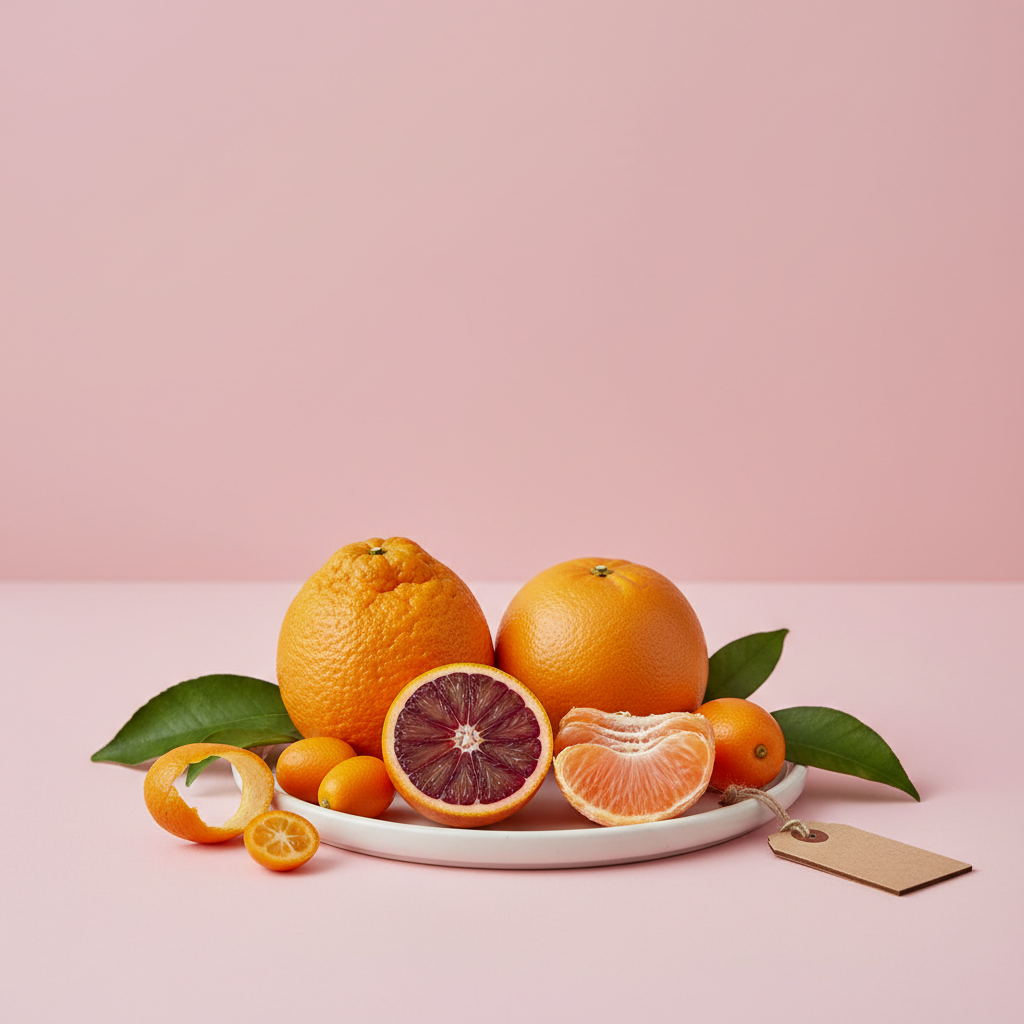
While technically a different species from standard oranges, mandarins have the highest Brix value of common citrus fruits, averaging around 14°Bx. Mandarins include varieties like Imperial, Murcott and Afourer. They are naturally sweeter, easier to peel and have a more intense flavour than standard oranges.
Among true oranges (Citrus sinensis), the Valencia orange is the sweetest, with a Brix of approximately 13°Bx. Valencia oranges are the preferred variety for juicing due to their high sugar content, rich flavour and abundant juice.
Brix Values Explained
Brix (°Bx) is a measurement of sugar content in a liquid. For oranges, it measures the percentage of dissolved sugars in the juice. Here is how to interpret Brix values:
- 8-10°Bx: Mildly sweet — typical for underripe or early-season fruit
- 11-12°Bx: Sweet — good eating quality, typical for supermarket navels
- 13-14°Bx: Very sweet — excellent quality, peak ripeness
- 15°Bx and above: Exceptionally sweet — rare, usually only in perfectly ripe specialty varieties
Factors That Affect Orange Sweetness
The Brix value of an orange is influenced by several factors beyond just the variety:
- Ripeness: Oranges do not ripen significantly after picking. The sugar content is locked in at harvest. Choose fully coloured, heavy oranges for the sweetest fruit.
- Growing region: Oranges grown in warm, sunny climates with cool nights tend to be sweeter. The temperature difference between day and night concentrates sugars.
- Season: Late-season oranges are generally sweeter than early-season ones. Navels peak in sweetness from July to September in Australia.
- Soil and water: Well-drained soil and controlled irrigation produce sweeter fruit. Over-watered oranges are more diluted and less sweet.
- Tree age: Older, established trees tend to produce sweeter fruit than young trees.
- Position on tree: Oranges on the outside of the tree, exposed to more sunlight, are typically sweeter than those shaded inside the canopy.
Best Oranges for Eating vs Juicing
The sweetest orange is not always the best choice for every purpose:
- For eating: Navel oranges are the best choice — they are sweet, seedless and easy to peel. Cara Cara oranges (a pink-fleshed navel) are even sweeter and lower in acid.
- For juicing: Valencia oranges are the clear winner — they are sweet, very juicy and the juice does not turn bitter when stored. Navel orange juice develops a bitter flavour from limonin compounds within 30 minutes of squeezing.
- For flavour: Blood oranges offer a unique raspberry-like sweetness that is unmatched by other varieties. They are excellent in both eating and juicing.
- For kids: Mandarins are the sweetest and easiest for children to peel and eat.
How to Pick the Sweetest Orange
You cannot measure Brix in the supermarket, but you can use these tips to choose the sweetest oranges:
- Weight: Pick up several oranges of the same size and choose the heaviest ones. Heavier oranges contain more juice and are typically riper and sweeter.
- Colour: Look for deep, uniform orange colour. Green patches indicate the fruit was picked before fully ripe and will not get sweeter.
- Skin texture: Smooth, thin-skinned oranges tend to be juicier and sweeter than thick-skinned ones.
- Firmness: The orange should be firm but yield slightly to pressure. A rock-hard orange may be underripe; a very soft one may be overripe.
- Season: Buy navels in winter-spring and Valencia in summer-autumn for peak sweetness.
Related Orange & Citrus Guides
- How much juice is in one orange? See our juice yield guide.
- How much orange juice is too much? Read our juice limit guide.
- Are orange skins good for you? Check our orange peel nutrition guide.
- Can orange juice give you heartburn? See our citrus and reflux guide.
- When are oranges in season? Check our orange season guide.
- Which peach is sweeter? See our peach Brix comparison for another fruit sweetness ranking.
Frequently Asked Questions
Mandarins are the sweetest common citrus fruit with a Brix of about 14°Bx. Among true oranges, Valencia oranges are the sweetest at approximately 13°Bx, followed by navel oranges at 12°Bx. Cara Cara oranges (a pink-fleshed navel variety) are also notably sweet with low acidity.
Freshness Checker
Type any produce to get freshness tips instantly
Powered by PickFresh AI · Scan real produce with your camera →