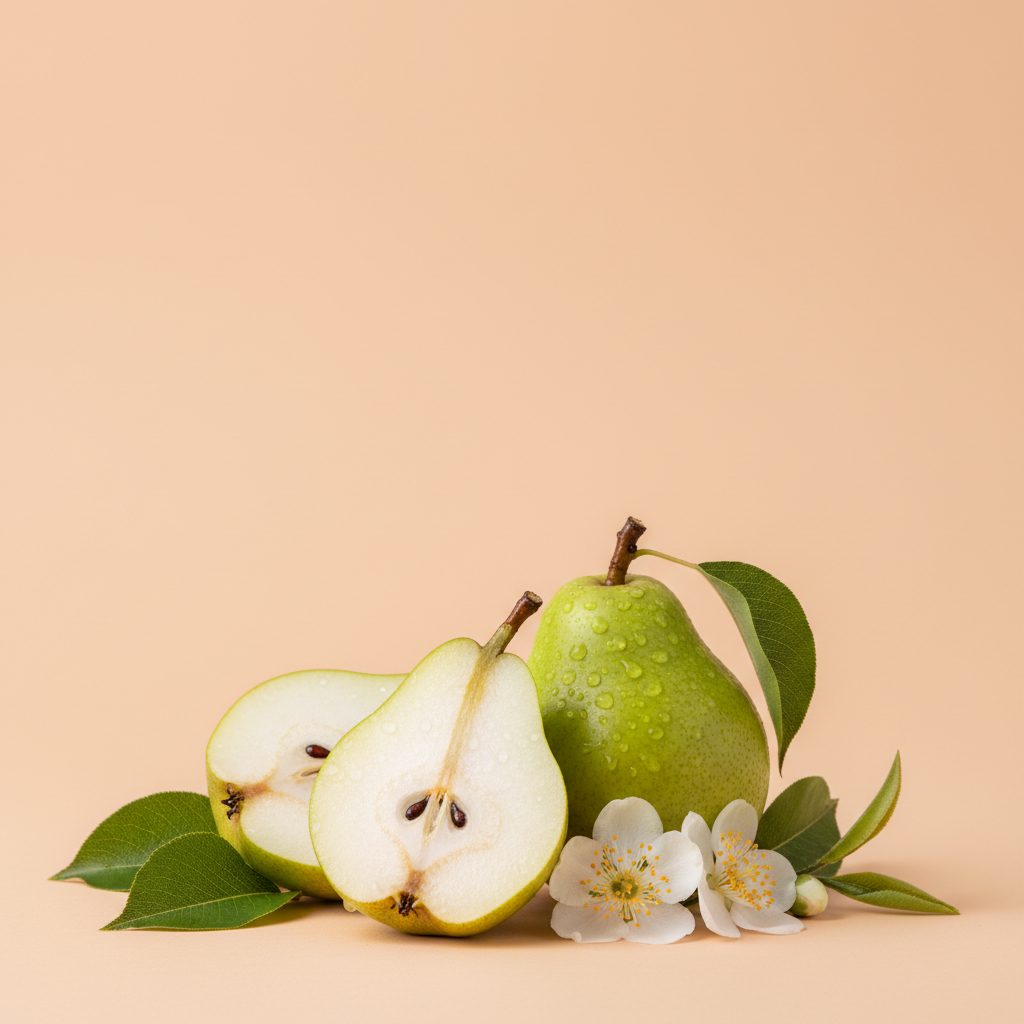

Pear leaf tea is a traditional herbal tea made from the leaves of the pear tree (Pyrus species). While not as well-known as green tea or chamomile, pear leaf tea has been used for centuries in Korean, Chinese and European folk medicine. The leaves contain flavonoids, polyphenols and other beneficial compounds that may offer a range of health benefits. Here is a complete guide to what pear leaf tea is good for and how to make it.
Pear Leaf Tea Benefits
What Is Pear Leaf Tea Good For?
Tap a benefit to learn more. Evidence levels indicate the strength of scientific support.
Blood Sugar Regulation
One of the most well-documented traditional uses of pear leaf tea is for blood sugar management. In Korean traditional medicine, pear leaves have been used to help regulate blood glucose levels. Some research suggests that compounds in pear leaves may help improve insulin sensitivity and slow the absorption of sugar into the bloodstream. While more clinical studies are needed, this is one of the most promising potential benefits of pear leaf tea.
If you have diabetes or are taking blood sugar medication, consult your healthcare provider before using pear leaf tea, as it may interact with medications.
Antioxidant Properties
Pear leaves are rich in antioxidants, particularly flavonoids such as:
- Quercetin: A powerful antioxidant that fights inflammation and may help reduce the risk of chronic diseases.
- Kaempferol: An antioxidant that has been studied for its potential anti-cancer and heart-protective properties.
- Rutin: A flavonoid that supports blood vessel health and may help reduce the risk of blood clots.
- Chlorogenic acid: An antioxidant that may help regulate blood sugar and support weight management.
These antioxidants help protect your cells from oxidative stress, which is linked to aging and chronic diseases including heart disease, cancer and neurodegenerative conditions.
Anti-Inflammatory Benefits
Chronic inflammation is linked to many health conditions including arthritis, heart disease and autoimmune disorders. The flavonoids and polyphenols in pear leaves have demonstrated anti-inflammatory properties in laboratory studies. Regular consumption of pear leaf tea may help reduce systemic inflammation in the body.
How to Make Pear Leaf Tea
You can make pear leaf tea from fresh or dried pear leaves. Here is a simple method:
Using Fresh Leaves
- Harvest young, healthy pear leaves from a tree that has not been sprayed with pesticides.
- Wash the leaves thoroughly under running water.
- Use 3-4 fresh leaves per cup of tea.
- Tear the leaves into pieces to release the beneficial compounds.
- Place in a teapot or cup and pour boiling water over them.
- Steep for 5-10 minutes.
- Strain and enjoy. Add honey if desired.
Using Dried Leaves
- Use 1-2 teaspoons of dried pear leaves per cup.
- Place in a teapot and pour boiling water over them.
- Steep for 5-10 minutes.
- Strain and serve. Can be sweetened with honey.
Drying Your Own Leaves
- Harvest healthy, pesticide-free pear leaves.
- Wash and pat dry with a paper towel.
- Spread leaves on a clean screen or baking paper.
- Dry in a well-ventilated area away from direct sunlight for 1-2 weeks.
- Alternatively, dry in a dehydrator at 40°C for 4-6 hours.
- Store dried leaves in an airtight container in a cool, dark place.
What Does Pear Leaf Tea Taste Like?
Pear leaf tea has a mild, slightly sweet and earthy flavour. It is less astringent than green tea and has subtle fruity notes. Some people describe it as tasting like a lighter version of pear fruit with grassy undertones. It is naturally caffeine-free, making it a good evening beverage.
Safety and Precautions
- Pregnancy and breastfeeding: There is insufficient research on the safety of pear leaf tea during pregnancy. Consult your healthcare provider before use.
- Diabetes medications: Pear leaf tea may lower blood sugar. If taking diabetes medication, monitor blood sugar closely and consult your doctor.
- Allergies: If you are allergic to pears or other Rosaceae family fruits (apples, cherries, peaches), you may also be allergic to pear leaves.
- Pesticides: Only use leaves from trees that have not been sprayed with pesticides or chemicals. Commercial pear trees are often sprayed.
- Moderation: As with any herbal tea, consume in moderation — 1-2 cups per day is generally considered safe for most adults.
Where to Get Pear Leaves
If you do not have access to a pear tree, you may be able to find dried pear leaves at:
- Korean or Asian grocery stores (sometimes sold as "bae-ip" tea)
- Specialty herbal tea shops
- Online herbal tea retailers
- Farmer's markets (ask local growers)
Alternatively, if you have a pear tree in your garden (or know someone who does), you can harvest and dry your own leaves for free.
Related Pear & Tea Guides
- Which pear is the sweetest? See our pear Brix comparison.
- How much fibre is in a pear? Check our pear fibre guide.
- Which pear has the most fibre? Read our pear fibre ranking.
- Will pears go brown when cut? See our pear browning guide.
- When are pears in season? Check our pear season guide.
- Are strawberry leaves good for you? See our strawberry leaf tea guide for a similar fruit leaf tea.
Frequently Asked Questions
Pear leaf tea is traditionally used for blood sugar regulation, anti-inflammatory support, antioxidant protection, digestive health and kidney health. It contains flavonoids like quercetin and kaempferol that protect cells from oxidative stress. It is also used in traditional Korean and Chinese medicine for respiratory support and weight management.
Freshness Checker
Type any produce to get freshness tips instantly
Powered by PickFresh AI · Scan real produce with your camera →