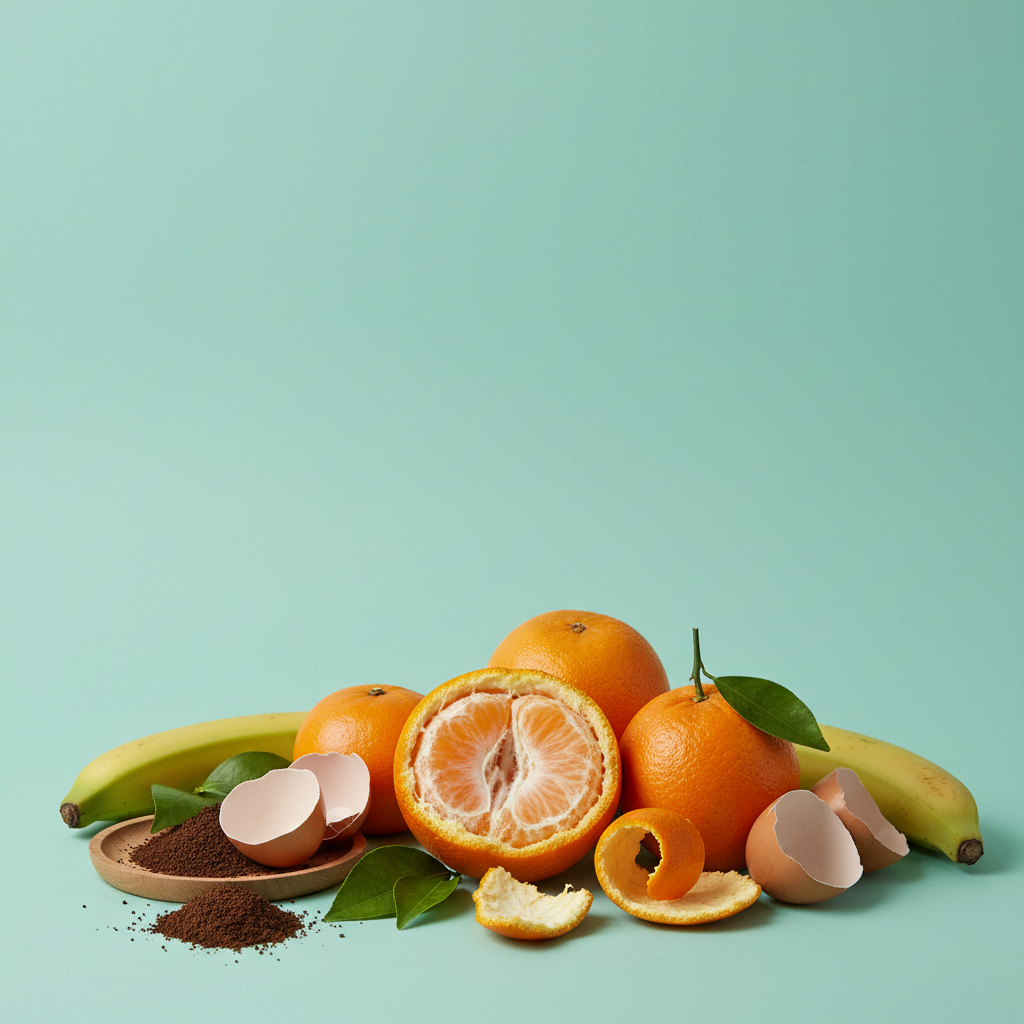

Yes, orange peel can absolutely go in your compost bin — but it does require some special consideration. Unlike soft fruit and vegetable scraps that break down in weeks, orange peel is tough, waxy and acidic, which means it takes significantly longer to decompose. With the right techniques, however, you can compost orange peel effectively and turn it into nutrient-rich compost for your garden.
Citrus Composting Timeline
How Long Does It Take to Break Down?
Tap an item to see its composting time and tips for faster breakdown.
Why Orange Peel Breaks Down Slowly
Orange peel is one of the slower items to decompose in a compost bin. There are three reasons for this:
- Waxy coating: The outer surface of orange peel has a natural waxy cuticle that protects the fruit. This wax is water-resistant and slows microbial decomposition.
- High acidity: Orange peel is acidic (pH 3.5-4.5). While compost microorganisms can handle some acidity, high levels can slow down the decomposition process and inhibit beneficial bacteria.
- Tough texture: The peel is fibrous and tough, making it physically resistant to breakdown. Whole peels can take 6-12 months to fully decompose.
- D-Limonene: The essential oil in citrus peel contains d-limonene, which has antimicrobial properties that can temporarily slow down composting microorganisms.
How to Speed Up Orange Peel Decomposition
If you want orange peel to break down faster in your compost, follow these tips:
- Cut it up: The single most effective step. Cut or tear orange peel into small pieces (1-2cm). More surface area means faster microbial action. A whole peel takes 6-12 months; chopped peel takes 1-3 months.
- Mix with other materials: Do not add a large pile of citrus at once. Mix orange peel with plenty of brown materials (dry leaves, paper, cardboard) and green materials (grass clippings, vegetable scraps) to balance the compost.
- Keep the ratio low: Citrus should make up no more than 10-15% of your compost bin by volume. Too much citrus can make the compost too acidic and slow decomposition.
- Keep compost moist: Microorganisms need moisture to work. Keep your compost damp (like a wrung-out sponge) but not soggy.
- Turn the compost: Turning your compost every 1-2 weeks introduces oxygen, which speeds up decomposition. Orange peels in the centre of the pile will break down faster than those on the edges.
- Add garden lime: If your compost is very acidic from citrus, sprinkle a handful of garden lime (calcium carbonate) to neutralise the pH and help microorganisms thrive.
- Freeze first: Freezing orange peel before composting breaks down cell walls, making it softer and easier for microorganisms to decompose.
When to Avoid Composting Orange Peel
While orange peel is generally compostable, there are some situations where you should avoid adding it:
- Diseased citrus trees: If the oranges came from a tree with citrus canker, greening disease or other pathogens, do not compost the peel. The pathogens may survive composting and spread to your garden.
- Pesticide-treated fruit: Non-organic oranges may have pesticide residues on the peel. While composting breaks down most pesticides, it is best to avoid adding heavily treated peels to compost you will use on food crops.
- Worm farms: Worms are sensitive to citrus acidity and d-limonene. Avoid adding orange peel to worm farms (vermicomposting systems). If you must, use tiny amounts of well-chopped peel.
- Slow/cold compost: If your compost bin is cold and inactive, orange peel will take extremely long to break down. Only add citrus to active, hot compost piles.
Does Orange Peel Attract Pests?
One advantage of composting orange peel is that it actually deters many pests. The d-limonene in citrus peel is a natural insect repellent. While fruit scraps like apple cores and banana peels can attract fruit flies and rodents, orange peel is generally avoided by pests. However, if you add large amounts of citrus at once, the initial decomposition can attract fruit flies before the peel dries out.
Alternative Uses for Orange Peel
If you do not want to compost orange peel, there are many other uses:
- Orange zest: Grate the peel for use in baking, cooking and marinades.
- Candied peel: Boil in sugar syrup for a sweet treat.
- Marmalade: Orange peel is the key ingredient in marmalade.
- Natural cleaner: Soak peels in vinegar for 2 weeks, then strain and dilute with water for a citrus-scented all-purpose cleaner.
- Deodoriser: Dry orange peels and place in a jar in the fridge, pantry or rubbish bin to absorb odours.
- Fire starter: Dried orange peels are flable due to their essential oils. They make excellent natural fire starters for fireplaces or campfires.
- Insect repellent: Place orange peels near entry points to deter ants, mosquitoes and flies.
Related Orange & Composting Guides
- Are orange skins good for you? See our orange peel nutrition guide.
- How much juice is in one orange? Check our juice yield guide.
- Which orange is the sweetest? See our orange Brix comparison.
- How much orange juice is too much? Read our juice limit guide.
- How to reduce food waste? See our food waste reduction guide.
- When are oranges in season? Check our orange season guide.
Frequently Asked Questions
Yes, orange peel can go in compost. However, it breaks down much slower than most fruit and vegetable scraps (6-12 months for whole peels) due to its waxy coating, high acidity and tough texture. To speed up decomposition, cut the peel into small pieces, mix with other compost materials, and keep citrus to less than 15% of your compost bin.
Freshness Checker
Type any produce to get freshness tips instantly
Powered by PickFresh AI · Scan real produce with your camera →