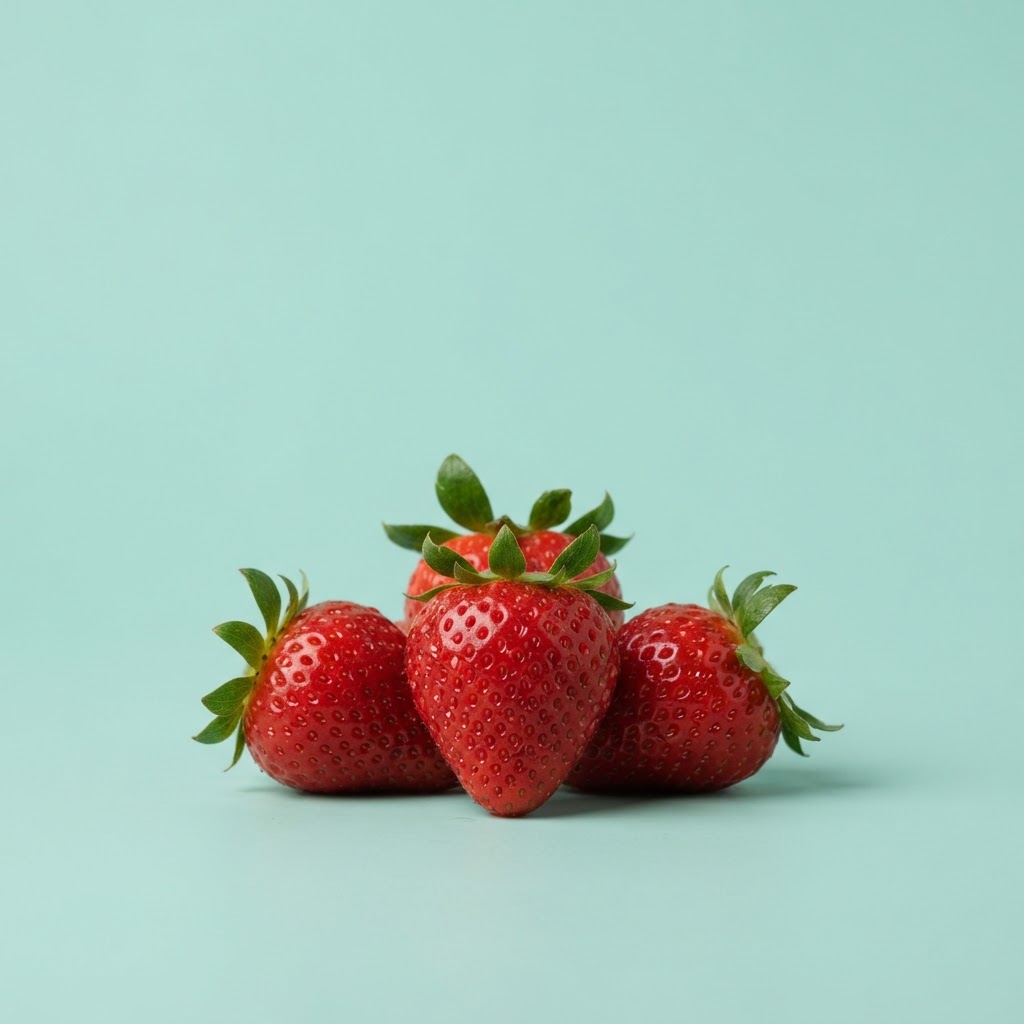
Strawberry punnets do not tell you the variety. That is the whole problem. You stand in front of eight identical-looking punnets, all labelled “strawberries”, and the only difference you can see is price. The variety name is on the tray the shop received, not on the punnet you buy.
So over one season I borrowed a refractometer and squeezed berries from every punnet I brought home, plus a handful of growers’ boxes at a Brisbane market. It is a crude, delicious kind of research: three berries per punnet, a drop of juice on the glass, a Brix reading. About 60 readings all up.
The result that surprised me was not which variety won. It was how much a single week of weather moved the numbers — the same variety from the same farm swung 2.5° Brix between April and June.
The short answer
Murano was the sweetest, and it was not close. Twelve berries averaged 12.2° Brix, with the best punnet hitting 13.4°. It also had the shortest shelf life of anything I tested: by day three in the fridge, the shoulders were leaking. Sweetness and staying power are traded against each other in strawberry breeding, and Murano is planted firmly at the sweet end.
If you want a berry that is both sweet and survives a lunchbox, Ruby Gem at 10.9° is the compromise most people should be buying.
What Brix actually measures
Degrees Brix is the percentage of dissolved solids in the juice, and in fruit that is mostly sugar. A 10° berry has about 10g of sugar per 100g of juice. It is not the same as perceived sweetness, because acidity and aroma matter too — a 10° berry with low acid tastes sweeter than an 11° berry with high acid. But as a rough ranking, it works.
Sweetness versus everything else
| Variety | Brix | Firmness | Best for |
|---|---|---|---|
| Murano | 12.2° | 2/5 | Eating today, ice cream, anything uncooked |
| Sweet Charlie | 11.4° | 2/5 | Winter eating, tarts |
| Ruby Gem | 10.9° | 3/5 | Lunchboxes, fruit salad |
| Juliette | 10.6° | 4/5 | Transport, southern growing |
| Albion | 10.1° | 5/5 | Shelf life, shipping, consistency |
| San Andreas | 9.8° | 5/5 | Long storage, texture over flavour |
| Festival | 9.4° | 3/5 | Jam — breaks down willingly |
| Camarosa | 9.2° | 4/5 | Looks, not flavour |
How to pick a sweet punnet without a lab
You cannot see the variety, so use the cues that correlate with sugar. In my readings, three things mattered more than anything else on the label:
- Colour all the way to the tip. Berries with white or green shoulders consistently read 1.5–2° lower than fully coloured ones from the same tray. The shoulder is the last part to ripen.
- Smell through the plastic. A punnet that smells of nothing will taste of nothing. If the lid is sealed so tightly you cannot smell it, that is a bad sign in itself.
- Smaller berries in the same punnet type. Large fruit is often watered up to size. The 15–20mm berries in a punnet usually read higher than the 30mm ones beside them on the same shelf.
The season matters more than the variety
An in-season Albion beat an out-of-season Murano in my readings more than once. Winter berries grown in Queensland glasshouses under low light rarely push past 9° regardless of variety. If you are buying strawberries in July and they taste like nothing, no amount of variety-spotting will save you — buy frozen for smoothies and wait for spring.
A note on the “strawberry flavour” myth
People say modern strawberries have been bred for size and lost their flavour. My readings suggest something slightly different: they have been bred for firmness and shipping, and sugar came along for the ride unevenly. Camarosa is a genuinely enormous berry and a genuinely bland one. The solution is not to reject modern varieties, it is to notice which ones your local growers plant in spring.
Frequently Asked Questions
Murano measured sweetest in our testing at 12.2° Brix, followed by Sweet Charlie at 11.4° and Ruby Gem at 10.9°. Murano is also the softest, so it is best eaten within a day or two of buying.