What Fruit Is In Season Now?
We set your region and month automatically from your device. Change either one to check any location or any month.
- AppleFuji, Pink Lady, Braeburn
- PearBosc, Comice at their best
- Grape (late)Very sweet, all varieties
- Fig (late)Very soft and sweet
- PersimmonSoft = sweetest
- Pumpkin (early)For cooking
- Pomegranate (early)Juice-filled seeds
- QuinceFragrant
- Stone FruitQuality very poor
📅 Coming Into Season
When Is Coriander in Season in Australia?
Coriander is a cool-season herb that peaks from April to August. In summer heat, coriander "bolts" rapidly — it shoots up a flower stalk, the leaves become small and lacy, and the flavour turns bitter. Hot weather coriander looks bushy but tastes harsh compared to the lush, full-flavoured bunches available in cooler months.
In tropical Queensland, coriander can grow year-round with management. Supermarket coriander is typically available year-round through hydroponic growing and imports, but quality and flavour vary significantly.
How to Store Coriander for 2 Weeks
The secret to keeping coriander fresh for up to 2 weeks is treating it like cut flowers:
- Trim the stems at an angle.
- Place in a glass with 3–4cm of cold water.
- Cover loosely with a plastic bag.
- Store in the fridge door (slightly warmer than the main shelf).
- Change the water every 3–4 days.
Alternatively, wrap dry bunches in a damp paper towel, place in a sealed container, and refrigerate. This method keeps coriander fresh for 7–10 days.
How to Pick Fresh Coriander
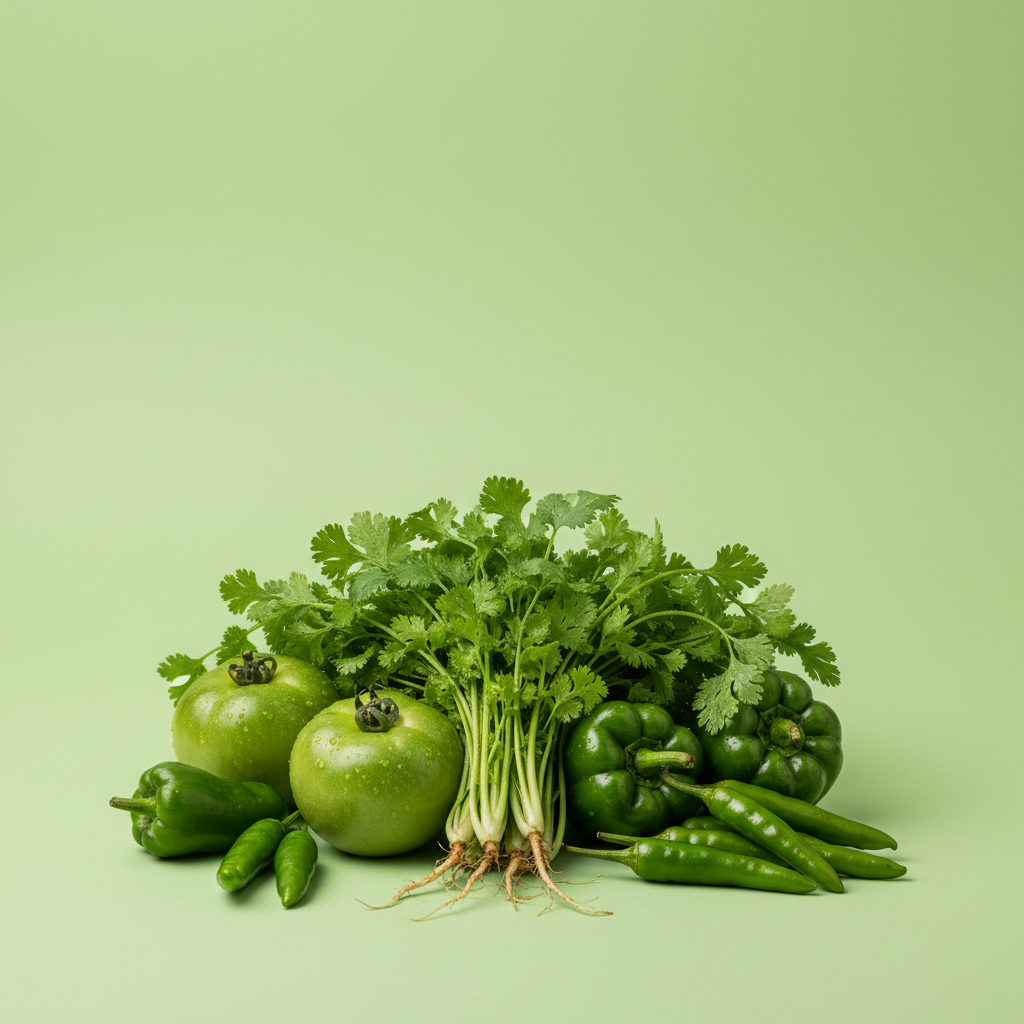
- Leaves: Large, flat, and vibrant green — not lacy or feathery (which means it's bolting).
- Stems: Crisp and upright, not wilted or drooping.
- Roots: Bunches with roots still attached stay fresh longer. The roots are also edible and add intense coriander flavour to Thai dishes.
- Smell: Strong, fresh coriander aroma. Faint smell means it's old or has been washed and refrigerated too long.
Using the Whole Plant
Don't discard any part of coriander. Roots: Pound into Thai curry pastes or add to stock — incredibly flavourful. Stems: Just as flavourful as leaves; finely chop and add to cooked dishes. Seeds: Dried coriander seeds are a completely different, warm spice used in Indian and Middle Eastern cooking. Flowers: Delicate, edible, and perfect as a garnish.
Coriander vs Cilantro — What's the Difference?
They're the same plant. In Australia and the UK, the leaves are called "coriander" and the seeds are "coriander seeds." In the US and Latin America, the leaves are called "cilantro" (from the Spanish word) and the seeds are "coriander." The flavour is identical regardless of what you call it.
Coriander Health Benefits
- Antioxidants: Coriander is rich in quercetin, kaempferol and rhamnetin — powerful antioxidants that fight inflammation.
- Heavy metal detox: Some studies suggest coriander may help the body excrete heavy metals like lead and mercury, though more research is needed.
- Blood sugar: Coriander seeds have been shown in animal studies to help lower blood sugar. The leaves may also support healthy blood sugar levels.
- Digestion: Coriander has traditional use as a digestive aid and may help reduce bloating and gas.
- Vitamin K: Essential for blood clotting and bone health.
Why Does Coriander Taste Like Soap to Some People?
If coriander tastes like soap to you, you're not imagining it. A genetic variation in the OR6A2 olfactory receptor gene causes some people to perceive aldehydes in coriander as soapy or metallic. This affects an estimated 4–14% of the population, with higher rates among people of East Asian, Caucasian and African descent. There's no fix — it's hardwired into your DNA. If you taste soap, try substituting parsley or Thai basil instead.
Best Coriander Substitutes
- Parsley: The closest visual match. Milder flavour — use 1.5x the amount.
- Thai basil: For Asian dishes — adds a liquorice-anise note that works well in curries and stir-fries.
- Mint: For Middle Eastern and salads — fresh and bright, though a different flavour profile.
- Basil: For Italian dishes where coriander feels out of place.
Recipes That Showcase Coriander
Coriander is the star of many cuisines. Try these dishes where it shines:
- Thai green curry — pound coriander roots and stems into the curry paste
- Mexican salsa — finely chopped leaves with tomato, onion and lime
- Vietnamese pho — torn leaves added at the table
- Indian chutney — blended with green chilli, ginger and lemon
- Larb (Thai salad) — generous handfuls mixed through minced meat
Frequently Asked Questions
Coriander is available year-round in Australian supermarkets through hydroponic growing and imports, but it peaks from April to August (cooler months). In summer heat, coriander bolts rapidly — the leaves become small and lacy and the flavour turns bitter.