Estimate the calories in a photo
Upload a photo of a plate or meal. You will get an estimated calorie count, a macronutrient split, and a note on what would make the estimate more reliable.
Or type it in
Photo-based calorie estimation is one of the more impressive things a phone can do, and one of the more easily misunderstood. A number appears next to your lunch, and it looks authoritative. It is not — it is an estimate with a meaningful margin of error.
Understanding where that error comes from makes the tool far more useful, because you learn which meals it can handle and which it cannot.
How the Estimate Is Made
Three steps happen in sequence.
- Identification. The model works out what the food is — grilled chicken, a slice of bread, a bowl of pasta.
- Portion estimation. This is the hard part. The model uses the plate, cutlery or hand as a scale reference, then estimates volume and weight from the apparent size.
- Nutritional lookup. The identified food and estimated weight are matched against nutritional data to produce calories and macronutrients.
Step one is now very reliable. Step two is where almost all the error lives.
Why Portion Estimation Is Hard
A photograph is a two-dimensional projection of a three-dimensional object, and the model has to infer depth from perspective cues. That works reasonably for a single flat item and poorly for a pile.
Consider a bowl of pasta. Is the bowl shallow or deep? Is the pasta loosely piled or compressed? Is there a layer of sauce underneath that is not visible? Each of those changes the weight by a large margin, and none of them are reliably visible in a photo.
Cooking oil is the biggest single source of error. A tablespoon of oil is around 120 calories, and it is invisible in the finished dish. Food cooked in a pan with generous oil can easily carry 200 to 300 extra calories that no photo can detect.
Where Estimates Are Reliable
- Whole single items. A banana, an apple, a boiled egg, a slice of bread. The identification is easy and the portion is predictable.
- Packaged foods with visible labels. Reading the pack beats estimating from appearance every time.
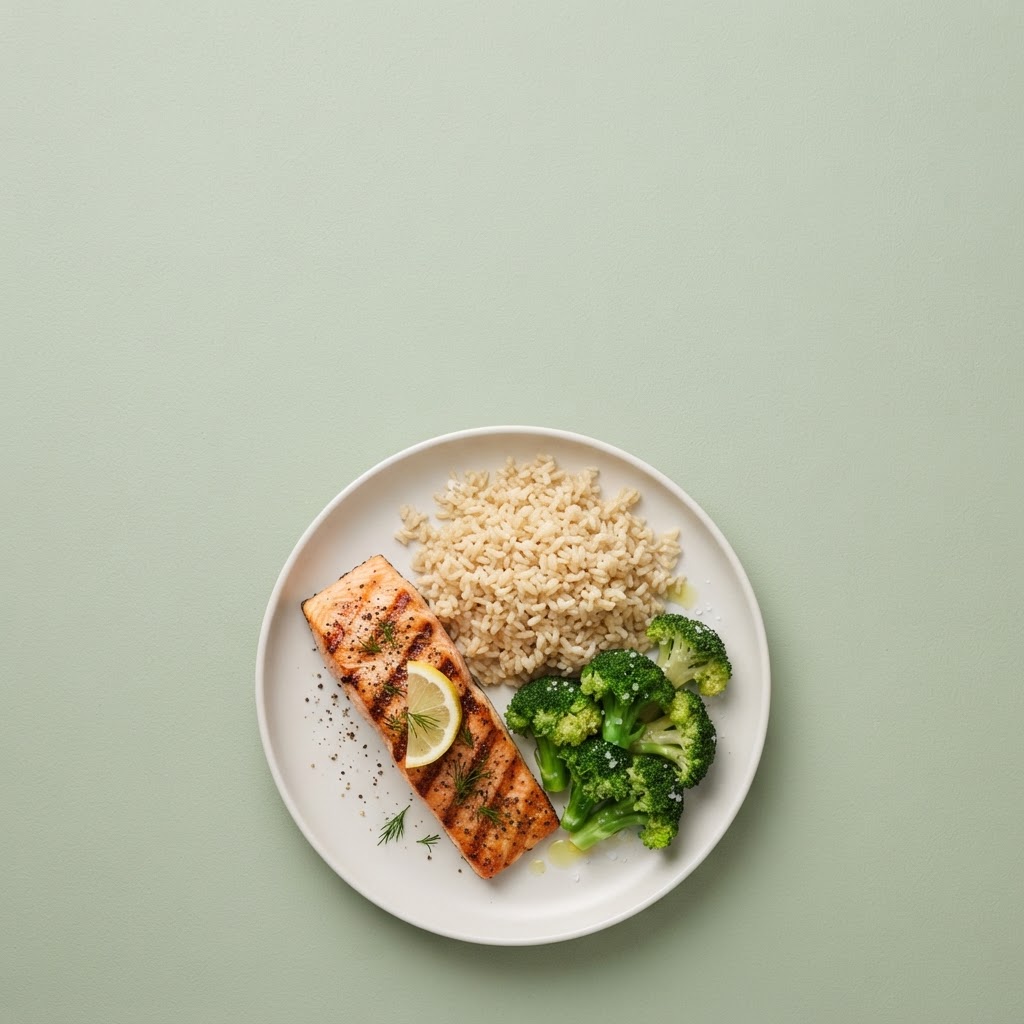
- Simple plated meals with clear components. A piece of salmon, a portion of rice and some broccoli — three identifiable items with predictable densities.
Where Estimates Are Unreliable
- Mixed dishes. Curries, casseroles, stir-fries and soups have variable ratios of ingredients that cannot be seen.
- Anything cooked in oil or butter. The fat is invisible and calorie-dense.
- Layered food. A burger, a lasagne, a sandwich — the interior is a mystery.
- Dressings and sauces. A drizzle of dressing can add 150 calories to a salad that looks like 100.
- Restaurant portions. These vary enormously between venues for the same dish.
How to Get a Better Estimate
- Photograph from directly above. A top-down view gives the clearest read of the plate area and makes portion estimation easier.
- Include a scale reference. Cutlery or your hand beside the plate gives the model something to calibrate against.
- Use good light. Dim or heavily shadowed photos hide texture and make food harder to identify.
- Describe the invisible parts. If you cooked in oil or added dressing, say so when you enter the meal. That is information no photo contains.
- Photograph before you eat. A half-eaten plate is harder to estimate than a full one.
What Calorie Counting Is Actually For
The purpose of tracking calories is not precision. It is awareness. Research consistently finds that people significantly underestimate how much they eat, and simply recording intake reduces that gap.
An estimate that is within 20 per cent is perfectly adequate for that purpose. If you are tracking consistently, the errors tend to average out — you will overestimate some meals and underestimate others, and the trend line is what matters.
Where precision does matter — clinical settings, medical conditions, competitive sport — photo estimation is not the right tool. Weighed food and a proper nutrition plan are.
Calories Are Not the Whole Picture
A number on its own tells you very little about whether a meal is good for you. Two meals of 500 calories can differ enormously in protein, fibre, micronutrients and how long they keep you full.
Look at the macronutrient split alongside the total. A meal with 30 grams of protein and 10 grams of fibre will keep you satisfied far longer than one with the same calories and almost none of either. Our portion calculator is useful for working out how much to cook in the first place.
The Short Version
Photo-based calorie estimation identifies food accurately and estimates portions approximately. Expect within 15 to 25 per cent for simple meals and much wider error for mixed dishes, sauces and anything cooked in oil. Shoot from directly above with a scale reference, and mention any invisible fats. For awareness and trends, that is plenty. For precision, weigh your food.
Frequently Asked Questions
For simple single-item meals, estimates are typically within 15 to 25 per cent. For mixed dishes, sauces and anything cooked in oil, the error is much larger because the ingredients and fats are not visible.