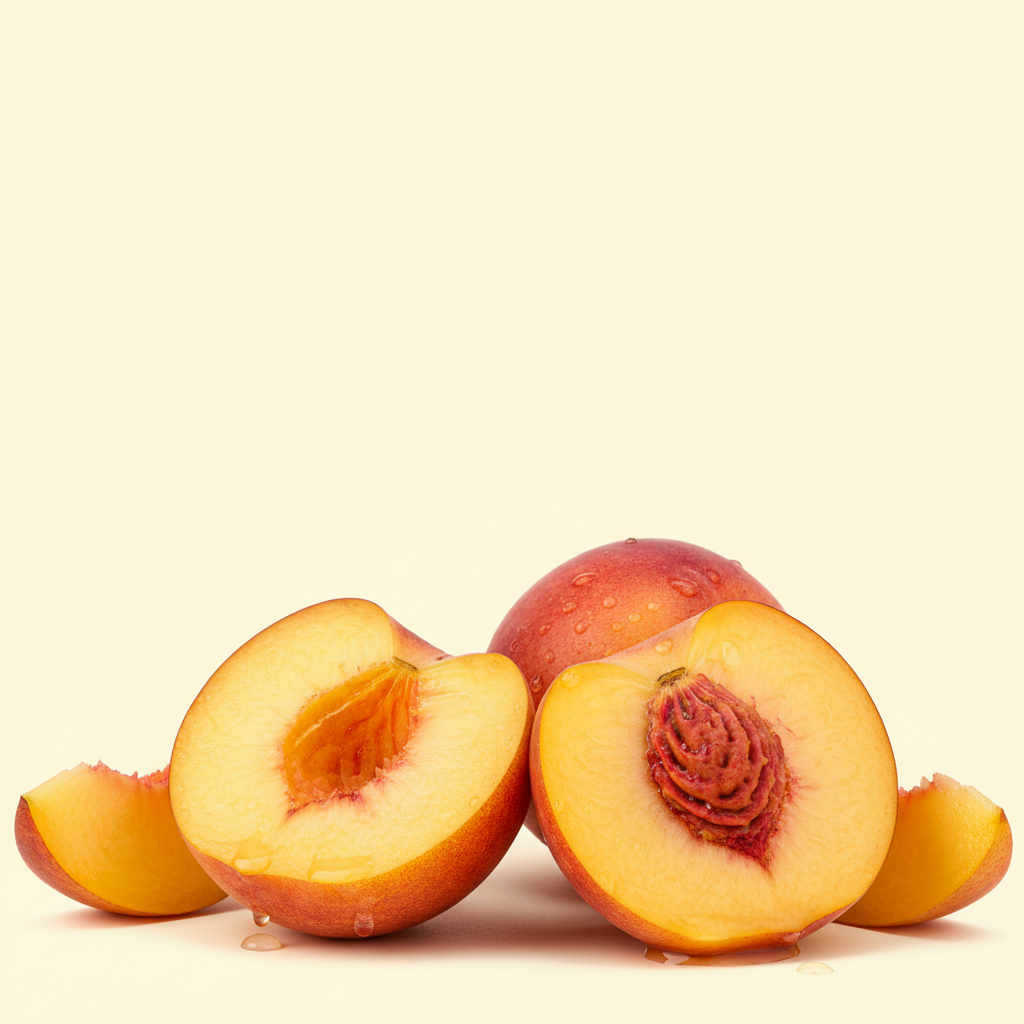

If you've been peeling your peaches before eating them, you're throwing away some of the fruit's most nutritious parts. Peach skin is completely safe and edible — and it's packed with fibre, antioxidants and vitamins that the flesh alone doesn't provide. Here's everything you need to know.
Quick Answer: Can You Eat Peach Skin?
Yes, peach skin is edible and safe to eat. The skin contains higher concentrations of antioxidants, fibre and vitamin A than the flesh. The fuzzy texture may take some getting used to, but it poses no health risk. Just wash the peach thoroughly before eating to remove any pesticide residue.
Nutritional Benefits of Peach Skin
| Nutrient | In Skin | Benefit |
|---|---|---|
| Fibre | Higher than flesh | Digestive health, blood sugar control |
| Vitamin A | Concentrated in skin | Eye health, immune support |
| Vitamin C | Present in skin | Antioxidant, skin health |
| Chlorogenic acid | Rich in skin | Anti-inflammatory, blood sugar regulation |
| Quercetin | Found in skin | Antioxidant, anti-allergic |
| Carotenoids | Concentrated in skin | Eye health, antioxidant |
What About the Fuzz?
The fuzzy texture of peach skin is what puts most people off. The fuzz is caused by tiny trichomes — hair-like structures on the fruit's surface. They're completely harmless, but if the texture bothers you, there are a few options:
- Choose nectarines: Nectarines are genetically identical to peaches — the only difference is a mutation that removes the fuzz. Same nutrition, no fuzz.
- Rub with a towel: Gently rubbing a ripe peach with a clean towel removes most of the fuzz without peeling.
- Blanch and peel: If you really can't eat the skin, blanch in boiling water for 30 seconds, then plunge in ice water — the skin slips right off.
Should You Be Worried About Pesticides?
Peaches are consistently ranked on the EWG's Dirty Dozen list of produce with the highest pesticide residues. The skin is where pesticide residue concentrates, so if you're eating the skin, it's worth taking precautions:
- Buy organic: Organic peaches have significantly lower pesticide residues.
- Wash thoroughly: Rinse under running water for 30 seconds and scrub gently with a vegetable brush.
- Soak in baking soda: Soaking peaches in a solution of 1 teaspoon baking soda per 2 cups of water for 12–15 minutes removes more pesticide than water alone.
Which Is Better: Peach or Nectarine Skin?
Peaches and nectarines are the same species (Prunus persica) — the only genetic difference is a single gene that controls whether the skin is fuzzy or smooth. Nutritionally, their skins are virtually identical. If the fuzz bothers you, nectarines give you the same skin benefits without the texture issue.
Can You Eat Peach Skin in Cooking?
Yes — peach skin is excellent in cooking. When baked into pies, cobblers or galettes, the skin softens and becomes barely noticeable. For jams and preserves, the skin adds natural pectin and a deeper flavour. For smoothies, just blend the whole peach — skin and all.
How to Wash Peach Skin Properly
If you're going to eat the skin, proper washing is essential. Peaches are on the EWG's Dirty Dozen list, meaning they have some of the highest pesticide residues of any fruit. Here's the most effective washing method:
- Rinse under running water: Hold the peach under cold running water for 15–20 seconds, gently rubbing the skin with your fingers.
- Baking soda soak: Dissolve 1 teaspoon of baking soda in 2 cups of water. Soak the peach for 12–15 minutes. A 2017 study in the Journal of Agricultural and Food Chemistry found this method removes up to 96% of pesticide residue — significantly more than plain water or bleach solution.
- Gently scrub: Use a soft vegetable brush to lightly scrub the skin. Don't press hard — peaches bruise easily.
- Dry: Pat dry with a clean paper towel. Don't eat wet peaches — moisture promotes bacterial growth on the skin.
If possible, buy organic peaches when you plan to eat the skin. Organic peaches have significantly lower pesticide residues, and you'll get the full nutritional benefit of the skin without the chemical exposure. For more on food washing and safety, see our fruit storage guide.
The Skin's Role in Ripening
Peach skin isn't just a protective layer — it plays an active role in how the fruit ripens. The skin controls gas exchange: oxygen enters and carbon dioxide and ethylene exit through tiny pores. This is why:
- Never peel an unripe peach to "help it ripen": Peeling removes the skin's gas regulation, causing the flesh to oxidise and brown without actually ripening.
- The skin colour tells you ripeness: The background colour (not the red blush) indicates ripeness. A ripe peach has a warm yellow or cream background colour, not green.
- Skin damage accelerates decay: A bruise or cut in the skin lets in oxygen and bacteria, causing that spot to rot quickly. Handle peaches gently.
Peach Skin in Different Cuisines
Different culinary traditions treat peach skin differently:
| Cuisine / Use | Skin On or Off? | Why |
|---|---|---|
| Eating fresh (casual) | On | Nutritional benefit, no reason to peel |
| Fine dining / fruit salad | Off | Aesthetic — skin looks uneven in plated dishes |
| Peach pie / cobbler | On | Skin softens during baking, adds flavour and pectin |
| Peach jam / preserves | On | Natural pectin helps jam set; deeper flavour |
| Smoothies | On | Extra nutrients, no texture issue when blended |
| Baby food | Off | Skin can be a choking hazard for infants |
| Canning / bottling | Off | Traditional — skin toughens during heat processing |
| Peach sorbet / ice cream | Off | Skin bits are visible and affect texture |
What About Peach Skin Allergies?
Some people experience mouth itching or swelling after eating peach skin. This is usually caused by one of two things:
- Oral Allergy Syndrome (OAS): If you're allergic to birch pollen, your immune system may cross-react with proteins in peach skin. Symptoms include itching, tingling or swelling of the lips, mouth and throat. Cooking the peach usually destroys the allergen.
- Peach fuzz irritation: The tiny hairs (trichomes) on peach skin can physically irritate sensitive skin in the mouth. This isn't a true allergy — it's mechanical irritation. Choosing nectarines (which lack fuzz) solves this.
If you experience throat swelling or difficulty breathing after eating peach skin, seek medical attention — this could indicate a more serious allergy. For most people, though, the skin is completely safe.
Nutritional Comparison: Skin On vs Skin Off
| Nutrient (per medium peach) | With Skin | Peeled | Difference |
|---|---|---|---|
| Fibre | 2.3g | 1.5g | 35% more with skin |
| Vitamin A | 489 IU | 325 IU | 34% more with skin |
| Vitamin C | 10mg | 7mg | 30% more with skin |
| Antioxidants | High | Moderate | Significantly more in skin |
| Potassium | 285mg | 230mg | 19% more with skin |
Peeling a peach removes roughly a third of its fibre and antioxidants. If you're eating peaches for health, eating the skin is the single most impactful choice you can make. For more on fibre benefits, see our fibre-rich foods guide.
Want to know when peaches are at their sweetest? Check our peach season guide for the Australian availability calendar, or learn which peach variety is sweetest.
Frequently Asked Questions
Yes, peach skin is completely safe and edible. In fact, the skin contains higher concentrations of fibre, antioxidants, vitamin A, and vitamin C than the flesh. Eating the skin gives you about 35 percent more fibre and 30 percent more vitamin C than peeling. The only concern is pesticide residue, so wash thoroughly or buy organic.
Freshness Checker
Type any produce to get freshness tips instantly
Powered by PickFresh AI · Scan real produce with your camera →