
Melon is one of the most refreshing fruits you can eat — sweet, hydrating and low in calories. But many people wonder whether eating melon at night is a good idea. Does it disrupt sleep? Does it cause digestive issues? The answer depends on portion size, timing and your individual digestive system. Here is the complete guide.
Melon Digestion Clock — Live
Current time: 11:11 am
Morning is an excellent time for melon. Its high water content hydrates and natural sugars provide gentle energy.
Updates automatically based on your local time.
How Melon Affects Digestion
Melon is approximately 90% water, making it one of the most hydrating fruits available. This high water content has both benefits and drawbacks when eaten at night:
- Fast digestion: Melon digests quickly — usually within 20-30 minutes. This means it is unlikely to sit in your stomach and cause discomfort, unlike heavier foods.
- Diuretic effect: The high water content means your body will process and excrete the water relatively quickly. Eating a large portion of melon before bed may lead to night-time bathroom trips that disrupt sleep.
- Low fibre: Compared to other fruits, melon is relatively low in fibre, which means it is gentle on the digestive system and unlikely to cause bloating or gas.
- Natural sugars: Melon contains fructose and glucose, which can cause a mild blood sugar rise. For most people this is not an issue, but diabetics should be mindful of portion size.
Does Melon Affect Sleep?
Melon itself does not contain any compounds that directly promote or inhibit sleep. However, there are indirect ways that eating melon at night could affect your rest:
- Bathroom trips: A large slice of watermelon can contain over 300ml of water. Eating it close to bedtime means your body will need to process that water, potentially waking you up to use the bathroom.
- Blood sugar: The natural sugars in melon can cause a mild blood sugar spike. For sensitive individuals, this may lead to a brief energy boost that makes it harder to fall asleep. However, this effect is usually minor compared to eating processed sugar.
- Acid reflux: While melon is not highly acidic, eating any food close to bedtime can trigger acid reflux in susceptible individuals. If you have GERD, avoid eating within 2-3 hours of bed.
On the positive side, melon contains small amounts of choline, a nutrient that supports acetylcholine production, which is involved in sleep regulation. It also contains vitamin C and potassium, which support overall health.
Best Time of Day to Eat Melon
The ideal time to eat melon is during the day when you are active and can benefit from the hydration and natural energy. Here is a general guide:
- Morning (6am-10am): Excellent. Melon's water content hydrates after sleep, and natural sugars provide gentle energy without a crash.
- Mid-morning (10am-12pm): Great as a snack. The fibre and water content keep you full until lunch.
- Afternoon (12pm-5pm): Ideal, especially in hot weather. Melon replenishes fluids and provides a natural energy boost.
- Early evening (5pm-8pm): Fine in moderation. Stick to a small portion (about 1 cup) with or after dinner.
- Late evening (8pm-10pm): If you must eat melon, keep it to a small portion. Avoid eating within 2 hours of bedtime.
- Night-time (after 10pm): Best avoided. The diuretic effect and natural sugars may disrupt sleep.
Which Melons Are Best at Night?
If you do choose to eat melon in the evening, some types are better choices than others:
- Honeydew: Slightly lower in water than watermelon, making it a better evening choice. Also contains potassium which supports muscle relaxation.
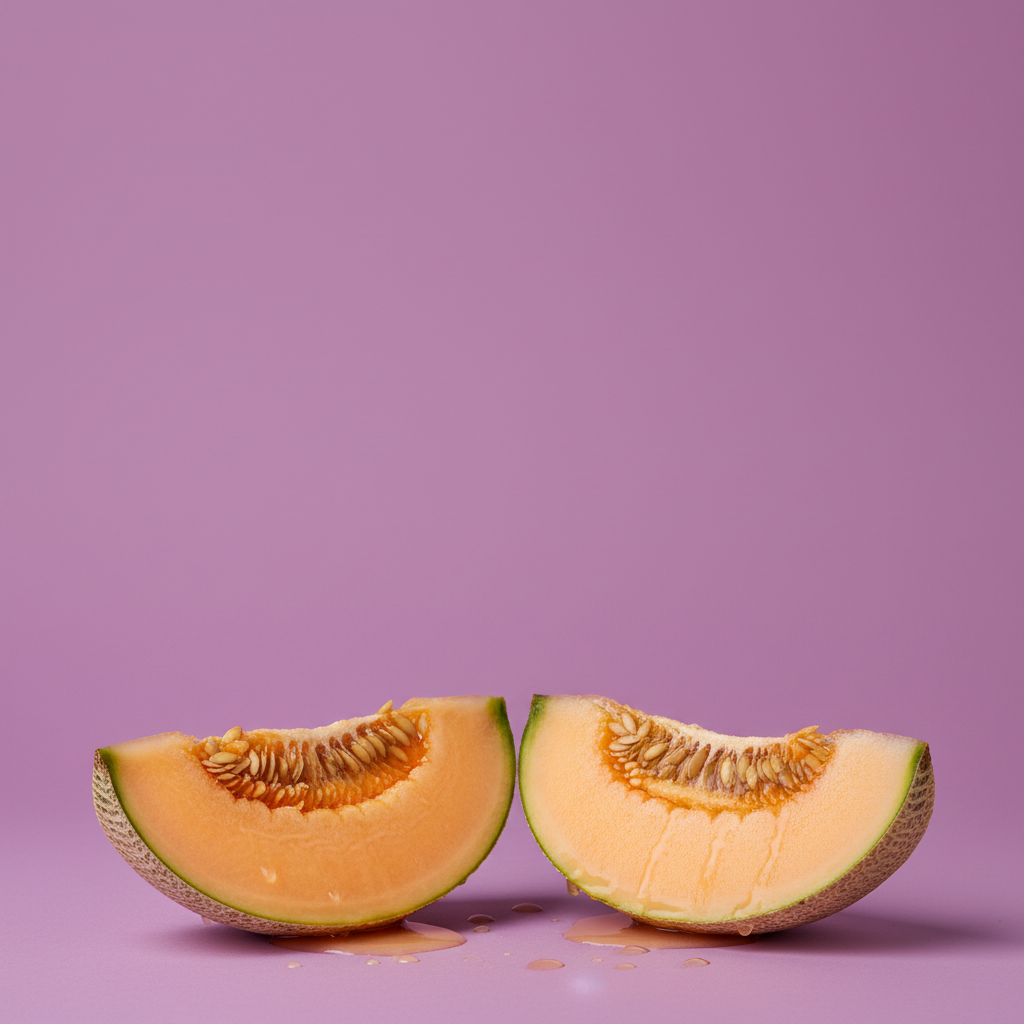
- Rockmelon (cantaloupe): Rich in vitamin C and beta-carotene. Moderate water content. A small bowl is fine in the early evening.
- Watermelon: Highest water content (92%) — best enjoyed during the day. Eating a large portion at night will almost certainly lead to bathroom trips.
Melon and Digestion: The Science
Melon digests faster than almost any other fruit — typically within 20–30 minutes. This is because melon is mostly water (90–92%) and very low in fibre, fat and protein. There's an old food combining rule that says "eat melon alone or leave it alone" — the theory being that melon digests so quickly it ferments if trapped behind slower-digesting foods.
Modern nutrition science doesn't fully support this rule, but there's a grain of truth: if you eat a heavy meal and then immediately eat a large portion of melon, the water content can make you feel uncomfortably full. For most people, eating melon as a snack between meals or as a light dessert 30 minutes after a meal works well.
Some people experience digestive discomfort when combining melon with dairy — see our guide on why melon tastes bitter with milk for the science behind this phenomenon. If you're sensitive, eat melon on its own.
Melon Sugar Content at Night
If you're eating melon in the evening, the sugar content matters. Here's a quick reference — for the full comparison, see our guides on which melon has the least sugar and most sugar:
| Melon | Sugar per Cup | Best for Evening? |
|---|---|---|
| Casaba | 3.3g | Excellent — very low sugar |
| Watermelon | 9.0g | OK in small portions (high water = bathroom trips) |
| Rockmelon | 11.9g | OK — moderate sugar, rich in vitamins |
| Honeydew | 12.2g | OK — slightly lower water than watermelon |
| Galia | 12.8g | Limit — higher sugar |
| Crenshaw | 14.3g | Avoid — highest sugar, may spike blood sugar |
For diabetics or anyone monitoring blood sugar, Casaba melon is the best evening choice. See our guides on how much fruit is too much and foods to avoid for weight loss for more on managing sugar intake.
Tips for Eating Melon at Night
- Stick to a small portion — about 1 cup diced or one thin slice
- Eat it at least 2 hours before bedtime
- Choose honeydew or rockmelon over watermelon
- Avoid adding salt, which increases thirst and water retention
- Do not mix melon with dairy — some people experience digestive discomfort from this combination
Frequently Asked Questions
Eating a small portion of melon in the early evening (before 8pm) is generally fine for most people. However, eating large portions of melon close to bedtime can cause night-time bathroom trips due to its high water content (over 90% water), and may mildly affect blood sugar levels.
Freshness Checker
Type any produce to get freshness tips instantly
Powered by PickFresh AI · Scan real produce with your camera →