If you have ever bitten into a slice of watermelon and accidentally swallowed a seed, you might have wondered: is that safe? The short answer is yes — most melon seeds are completely harmless and some are actually quite nutritious. However, there are exceptions, and knowing the difference matters. Here is everything you need to know about eating melon seeds.
Melon Seed Safety Checker
Are These Melon Seeds Safe to Eat?
Tap a melon type to see if its seeds are safe to eat and what nutritional benefits they offer.
Watermelon Seeds: Safe and Nutritious
Watermelon seeds are completely safe to eat. In fact, they are quite nutritious. One hundred grams of dried watermelon seeds contains about 5g of protein, along with significant amounts of magnesium, iron, zinc and healthy fats. In many cultures, particularly in parts of Africa and the Middle East, roasted watermelon seeds are a popular snack.
If you swallow a few black seeds while eating watermelon, there is no need to worry — they will pass through your digestive system without causing any harm. The old myth that a watermelon will grow in your stomach is just that: a myth.
To eat watermelon seeds as a snack, simply rinse them, dry them, toss with a little salt and olive oil, and roast at 160°C for 15-20 minutes until crispy. They have a nutty, slightly earthy flavour similar to pumpkin seeds.
Rockmelon and Honeydew Seeds
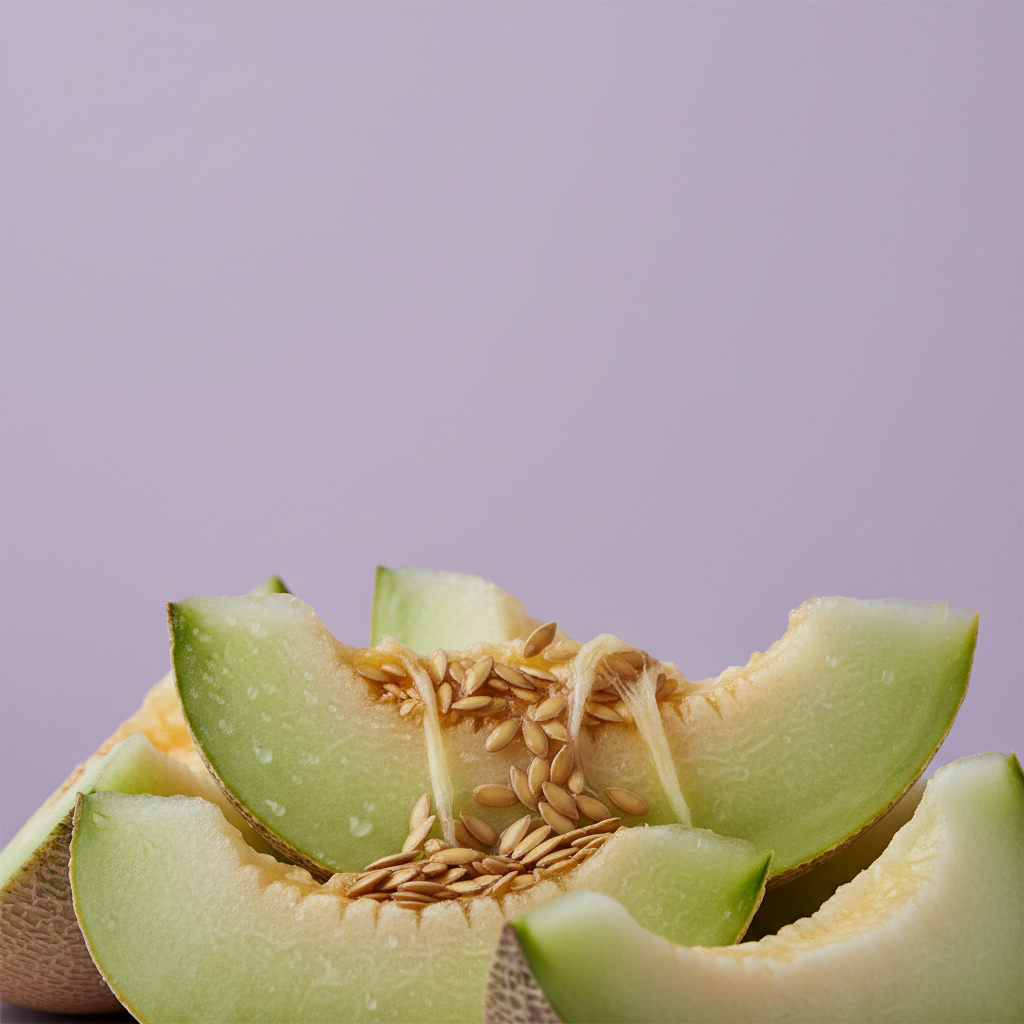
Rockmelon (cantaloupe) and honeydew seeds are also safe to eat, though they are less commonly consumed. The seeds are small and can have a slightly bitter taste when raw. When dried and roasted, they become more palatable and develop a nutty flavour. They contain similar nutrients to watermelon seeds — protein, healthy fats and minerals — though in slightly lower concentrations.
Bitter Melon Seeds: A Warning
Unlike sweet melons, bitter melon (Momordica charantana) seeds can be problematic. The seeds of bitter melon contain vicine, a compound that can cause digestive upset in some people, and the red arils surrounding the seeds are toxic, particularly to children. If you are cooking with bitter melon, always remove the seeds and the red pith around them. This is especially important for young children, who are more sensitive to these compounds.
Nutritional Benefits of Melon Seeds
Dried melon seeds are surprisingly nutrient-dense. Per 100g (which is a large serving — a typical snack portion is about 30g), they contain:
- Protein: 5-6g — a decent plant-based protein source
- Magnesium: Over 50% of your daily needs — supports muscle and nerve function
- Iron: About 15% of daily needs — important for blood health
- Zinc: Supports immune function and wound healing
- Healthy fats: Mostly monounsaturated and polyunsaturated fats
- Fibre: Supports digestion and gut health
How to Prepare Melon Seeds
If you want to try eating melon seeds, here is a simple method:
- Collect seeds from a ripe melon (watermelon works best)
- Rinse them thoroughly under cold water to remove any fruit flesh
- Pat dry with a paper towel
- Toss with a small amount of olive oil and salt
- Spread on a baking tray and roast at 160°C for 15-20 minutes
- Let cool — they will become crispy as they cool down
Roasted melon seeds can be stored in an airtight container for up to a week. They make a great snack on their own or can be sprinkled on salads, yoghurt or smoothie bowls for added crunch and nutrition.
Can You Eat Melon Seeds Raw?
Yes, raw melon seeds (from sweet melons like watermelon, rockmelon and honeydew) are safe to eat. However, they are softer and less flavourful than roasted seeds, and their tough outer shell can be difficult to digest. If you eat them raw, chew them well. Roasting improves both digestibility and flavour, and also reduces any anti-nutrient compounds that can interfere with mineral absorption.
Frequently Asked Questions
No, watermelon seeds are completely safe to eat. They are actually nutritious, containing protein, magnesium, iron, zinc and healthy fats. In many cultures, roasted watermelon seeds are a popular snack. Swallowing a few seeds while eating watermelon will not cause any harm.
Freshness Checker
Type any produce to get freshness tips instantly
Powered by PickFresh AI · Scan real produce with your camera →